


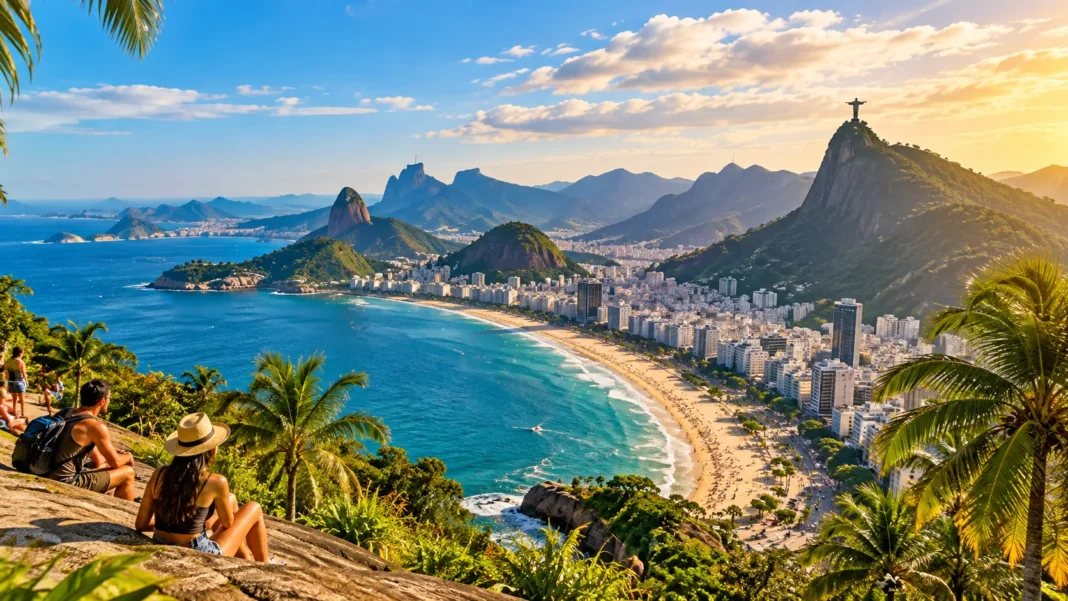
What Is the Best Time to Visit Brazil?
The best time to visit Brazil depends heavily on where you plan to travel because the country covers several climate zones. For a classic trip combining Rio de Janeiro, São Paulo, beaches, and major cultural attractions, April through June and August through October often provide a comfortable balance of weather, manageable crowds, and opportunities for outdoor sightseeing.
Brazil’s seasons are opposite those in the Northern Hemisphere. Summer generally falls from December through March, while winter runs from June through September. Because the country stretches from the equatorial Amazon to the cooler far south, however, these seasonal labels do not produce the same weather everywhere, making regional planning especially important.
Travelers interested in the Amazon, Pantanal, northeastern beaches, or southern mountains should choose dates based on those specific destinations rather than one nationwide rule. Wildlife viewing, river levels, rainfall, beach weather, and temperatures all change differently across Brazil. Understanding those regional patterns helps you choose a season that matches the experiences you value most.
Understanding Brazil’s Climate and Seasons
Northern Brazil has an equatorial and tropical climate, meaning destinations around the Amazon remain warm and humid throughout the year. Rainfall patterns usually matter more than temperature changes in this region. Instead of thinking in terms of hot and cold seasons, travelers often plan around wetter and relatively drier periods and changing river levels.
Central and southeastern Brazil experience clearer seasonal differences. Cities such as Rio de Janeiro can be hot and humid during summer, with rainstorms appearing more frequently, while winter generally brings milder and somewhat drier conditions. São Paulo also experiences cooler winter days, although temperatures remain far less extreme than in many temperate destinations.
Southern Brazil has the country’s most noticeable seasonal temperature changes. Winter can become genuinely cool, particularly in elevated areas, while summer brings warmer conditions suitable for coastal travel. The northeast remains much warmer throughout the year, making regional beaches attractive during many months even when southern destinations are experiencing cooler weather.
Visiting Brazil in Summer
Brazilian summer runs roughly from December through March and is one of the liveliest periods for travel. Beach destinations become especially popular, schools take holidays, and cities prepare for major celebrations. Rio de Janeiro feels particularly energetic during this season, with warm ocean temperatures, busy beaches, nightlife, and long evenings encouraging outdoor activity.
The main challenge is heat and humidity. Rio, Salvador, Recife, and many other destinations can feel intensely warm around midday, while afternoon or evening rainstorms may interrupt plans. Lightweight clothing, sun protection, frequent water breaks, and flexible sightseeing schedules make summer travel far more comfortable, especially when exploring large cities on foot.
Summer is also a high-demand travel period, particularly around New Year, Carnival, and popular beach holidays. Accommodation and domestic transport can become significantly busier, so early reservations are useful. Travelers who enjoy festivals and social energy may love this season, while those prioritizing lower costs and quieter attractions may prefer a shoulder period.
Visiting Brazil in Autumn
Autumn, from approximately March through June, can be an excellent time for travelers who want pleasant conditions without peak summer intensity. Temperatures begin easing in southeastern cities, and many popular attractions feel more comfortable for walking. April and May can be particularly appealing for combining cultural sightseeing, urban exploration, beaches, and outdoor activities.
Rio de Janeiro often remains warm enough for beach time while becoming easier to explore during the daytime. São Paulo also becomes milder, making museums, markets, neighborhoods, and walking tours more comfortable. Because major holiday crowds may have decreased, travelers can sometimes enjoy a more relaxed rhythm than during midsummer.
Regional differences still matter. Rainfall patterns in northern Brazil do not follow the same transition seen in the southeast, while southern destinations may begin cooling more noticeably. Autumn therefore works especially well for multi-city travelers who want flexibility, but the specific forecast for each region should still shape packing and daily plans.
Visiting Brazil in Winter
Winter generally lasts from June through September and can be one of the most comfortable seasons for exploring much of central and southeastern Brazil. Rio often experiences milder temperatures and reduced humidity compared with summer, while outdoor sightseeing becomes easier. Beach days remain possible during warmer stretches, although evenings can feel noticeably cooler.
Southern Brazil becomes much cooler during winter, particularly in higher-elevation towns. Travelers interested in mountain scenery, vineyards, cozy restaurants, and cooler-weather experiences may appreciate this period. Packing a proper jacket becomes important if your itinerary includes states farther south rather than only tropical or northeastern destinations.
Winter is also especially relevant for nature-focused itineraries in central Brazil. Drier conditions can make certain wildlife areas easier to explore, and animals may become more concentrated around available water sources. Travelers considering the Pantanal often place this season high on their list because wildlife observation and road access can become more favorable.
Visiting Brazil in Spring
Spring runs roughly from September through December and brings warming temperatures across much of the country. September and October can offer a pleasant balance before the strongest summer heat arrives in southeastern destinations. These months are useful for travelers who want outdoor sightseeing, coastal time, and city exploration without scheduling everything around intense midday temperatures.
As spring progresses, humidity and rainfall can increase in some areas, while beach destinations begin becoming busier before the main holiday season. November can already feel quite summery in Rio and other warm regions. Travelers should therefore prepare for a mixture of sunshine, heat, and occasional rain rather than expecting consistently mild conditions.
Spring can also work well for combining several regions because it sits between the cooler southern winter and the peak summer travel season. Booking flexibility becomes increasingly valuable as December approaches. If your goal is comfortable sightseeing with fewer holiday crowds, earlier spring may provide a more convenient window than late December.
Best Time to Visit Rio de Janeiro
Rio de Janeiro can be visited throughout the year, but the ideal month depends on whether you prioritize beaches, nightlife, sightseeing, or major celebrations. April through June and August through October often feel particularly comfortable for general travel. Temperatures are typically easier for walking while the beaches and iconic viewpoints remain central to the experience.
December through March is better for travelers who want maximum summer energy. Copacabana and Ipanema become lively, and the city’s nightlife and outdoor culture are especially active. However, heat, humidity, rain showers, higher demand, and major event crowds mean visitors should book early and keep some flexibility in their daily itineraries.
Winter in Rio is usually mild rather than truly cold. This makes June through August attractive for visiting Christ the Redeemer, Sugarloaf Mountain, historic neighborhoods, and hiking areas without the strongest summer heat. Even then, packing one light layer is useful for cooler mornings, breezy evenings, or elevated viewpoints.
Best Time to Visit the Amazon
The Amazon remains hot, humid, and lush throughout the year, but seasonal rainfall and river levels significantly change the travel experience. During higher-water periods, flooded forests and waterways can become more accessible by boat. Travelers may spend more time exploring channels and river environments that look completely different later in the year.
Lower-water periods can expose beaches, walking areas, and forest trails that are less accessible when rivers are high. Wildlife experiences also vary depending on location and season. Because the Amazon covers an enormous area, timing in one part of the region should not automatically be applied to every lodge, river, or destination.
Rather than searching for one perfect month, decide what type of Amazon experience you want. Boat exploration, forest hiking, fishing, wildlife observation, and photography may each favor different conditions. Ask your selected lodge or local operator about expected river levels and rainfall for the exact area you intend to visit.
Best Time to Visit the Pantanal
The Pantanal is one of Brazil’s premier wildlife destinations, and seasonal water levels strongly influence the experience. The drier months, generally from around June into September or October, are especially popular for wildlife observation. As water becomes more concentrated, animals may gather around remaining rivers, lagoons, and channels, increasing viewing opportunities.
Road access can also become easier during the dry season, making vehicle-based wildlife excursions more straightforward in many areas. Jaguars, capybaras, caimans, birds, and numerous other species attract photographers and nature travelers. July through September is therefore often considered a particularly strong window for visitors whose main priority is wildlife.
The wetter season creates a different but equally dramatic landscape as large areas flood and vegetation becomes intensely green. Boat travel may become more important, while certain roads can be less convenient. Travelers interested in birdlife, water landscapes, and the ecological rhythm of the wetlands may still find this season extremely rewarding.
Best Time for Brazil’s Beaches
Brazil has thousands of kilometers of coastline, so the best beach season varies significantly by region. Rio’s beaches are busiest during the southern summer, while northeastern destinations remain warm for much of the year. Places such as Bahia, Pernambuco, Ceará, and Rio Grande do Norte often appeal to travelers seeking tropical warmth outside the southeastern peak summer.
Rainfall patterns are important when planning northeastern beach trips. Some coastal areas have wetter months that differ from Rio’s seasonal pattern. Before booking a beach-centered holiday, check the climate for the specific state or resort rather than relying on a broad statement about Brazilian summer and winter.
Holiday periods also influence the beach experience. Christmas, New Year, Carnival, and Brazilian school vacations can bring larger domestic crowds to popular coastal areas. If you want warm weather with a more relaxed atmosphere, traveling shortly before or after peak holiday periods can provide a better balance of beach conditions and availability.
Best Time for Carnival and Festivals
Carnival is one of the world’s most famous reasons to visit Brazil and usually takes place in February or early March, depending on the year. Rio de Janeiro is internationally known for its samba parades, while Salvador, Recife, Olinda, and numerous other cities celebrate in distinctive ways. The atmosphere can be extraordinary for travelers who enjoy music and enormous public events.
Carnival travel requires much more advance planning than an ordinary Brazil vacation. Flights, popular hotels, event tickets, and well-located accommodation may sell quickly or become expensive. Decide which city’s style of celebration interests you because a stadium parade experience in Rio feels very different from street-centered festivities elsewhere.
Brazil also hosts major regional celebrations beyond Carnival. June festivals are particularly important in many parts of the northeast, with music, dancing, traditional clothing, and seasonal foods. Building a trip around these events can provide a deeper cultural experience than visiting only the best-known beaches and landmarks.
Crowds, Prices, and Travel Costs by Season
Peak travel periods usually coincide with Brazilian summer holidays, Carnival, New Year, and major festivals. During these dates, flights and accommodation in popular destinations can become considerably more expensive. Travelers with fixed budgets should book far in advance or select dates outside the busiest holiday periods to increase their choice of hotels.
Shoulder months can provide a useful balance between weather and value. April, May, September, October, and parts of November may offer good conditions in several popular regions without the same pressure as holiday peaks. Exact savings vary by destination, but greater availability can make the overall trip easier to organize.
Low-demand periods should still be evaluated region by region. A quieter season in Rio may coincide with an excellent wildlife period in the Pantanal, causing higher demand there. Brazil is too large for one universal low season, so compare accommodation and transport prices across every stop in your itinerary before finalizing travel dates.
What to Pack for Brazil in Different Seasons
For tropical and coastal destinations, lightweight breathable clothing should form the foundation of your packing. Add sunscreen, sunglasses, a hat, comfortable shoes, swimwear, and a compact rain layer. Even during warmer seasons, an additional light layer can be useful inside strongly air-conditioned buses, airports, restaurants, or other indoor environments.
Travelers heading to southern Brazil during winter need warmer clothing than many first-time visitors expect. Long trousers, closed shoes, sweaters, and a proper jacket can be necessary, especially at elevation or after sunset. Checking forecasts immediately before departure is more useful than assuming all of Brazil will remain tropical throughout the trip.
Nature-focused journeys require additional preparation. Comfortable walking footwear, quick-drying clothes, insect protection, reusable water bottles, and suitable outdoor gear can make Amazon or Pantanal travel easier. Packing should reflect your exact itinerary, because someone spending two weeks on Rio’s beaches needs very different equipment from a traveler combining wetlands, rainforest, and southern mountains.
Conclusion
There is no single best time to visit Brazil because weather and seasons vary dramatically across this enormous country. For a general sightseeing trip, April through June and August through October can provide an appealing balance. Travelers focusing on summer beaches, festivals, wildlife, rainforest experiences, or southern winter scenery may deliberately choose completely different months.
Rio and southeastern Brazil are often comfortable during the shoulder seasons, while the Pantanal becomes especially appealing during the drier months for wildlife enthusiasts. The Amazon changes with river levels rather than simple temperature seasons, and Brazil’s northeast offers warm coastal conditions through much of the year. Matching your dates to specific destinations is therefore essential.
Before booking, decide which experiences matter most and build your itinerary around their seasonal patterns. Check local forecasts closer to departure, pack for regional differences, and leave some flexibility for rain or heat. With thoughtful timing, Brazil can offer exceptional beaches, cities, wildlife, festivals, and natural landscapes during every season of the year.
FAQs
What is the overall best month to visit Brazil?
May, September, and October can work particularly well for many general itineraries because they often combine comfortable sightseeing weather with fewer peak holiday crowds. The ideal month still depends on the regions you visit.
When is summer in Brazil?
Brazilian summer generally runs from December through March. It brings warm or hot conditions across much of the country, making beaches especially popular, although some regions also experience increased rainfall and humidity.
What is the best time to visit Brazil for wildlife?
The drier period from roughly June through September is particularly popular for Pantanal wildlife viewing. Amazon wildlife experiences vary according to river levels, rainfall, and the specific area you plan to explore.
Is Brazil worth visiting in winter?
Yes. Winter can provide comfortable sightseeing weather in Rio and central areas, strong wildlife opportunities in the Pantanal, and cooler mountain experiences in southern Brazil. Conditions vary considerably between regions.
When should I visit Brazil for Carnival?
Carnival normally takes place in February or early March, depending on the annual calendar. Book flights, accommodation, and any major event tickets well ahead because popular destinations can become extremely busy.