


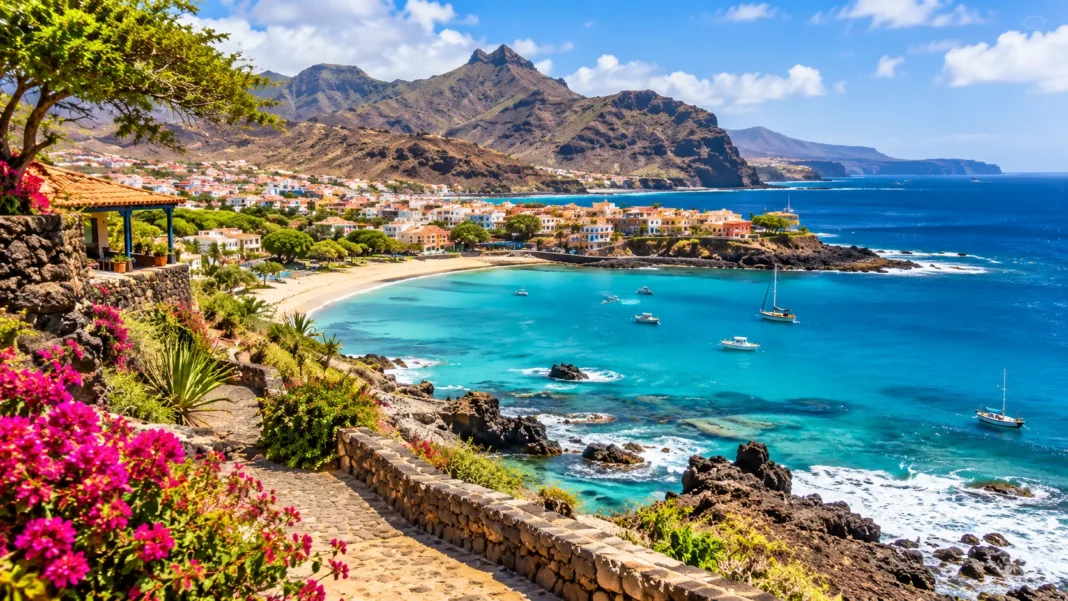
Cape Verde is an Atlantic island nation filled with volcanic landscapes, golden beaches, colorful towns, dramatic mountains, and a relaxed Creole culture. Spread across several distinctive islands, the country offers far more variety than many first-time visitors expect. You can spend one day relaxing beside turquoise water and the next hiking through rugged valleys or exploring historic streets.
Each island has its own personality. Sal and Boa Vista are popular for beaches and water sports, Santiago offers history and local culture, while Santo Antão attracts hikers with steep mountains and green valleys. São Vicente adds music, nightlife, and urban energy, making island hopping one of the best ways to experience Cape Verde.
A successful Cape Verde trip is less about rushing through every island and more about choosing experiences that match your interests. Whether you enjoy beach holidays, hiking, cultural travel, wildlife, food, or scenic road trips, this Cape Verde travel guide covers some of the best things to do and see across the archipelago.
Relax on the Beaches of Sal
Sal is one of Cape Verde’s best-known islands and a popular choice for travelers seeking sunshine, soft sand, and clear Atlantic water. The island has a dry, open landscape that creates a striking contrast with its bright beaches. Santa Maria is the main resort area, offering hotels, restaurants, shops, cafés, and easy access to the coastline.
Santa Maria Beach is ideal for long walks, swimming when conditions are suitable, and watching colorful fishing boats near the shore. The town’s pier is especially lively when local fishermen return with their catch and vendors gather nearby. Travelers can spend several hours simply enjoying the beachfront atmosphere without needing a detailed sightseeing schedule.
Sal is also an excellent place for windsurfing, kitesurfing, snorkeling, and other water-based activities. Stronger winds during parts of the year make the island particularly attractive to experienced water-sports enthusiasts. Even if you prefer a quieter trip, Sal works well for travelers who want comfortable accommodation, easy beach access, and a relaxing introduction to Cape Verde.
Explore the Desert Landscapes of Boa Vista
Boa Vista is another major beach destination, but its scenery feels noticeably different from Sal. Wide sandy landscapes, rolling dunes, rocky coastlines, and long stretches of undeveloped beach give the island a spacious and peaceful atmosphere. Travelers looking for natural beauty and quieter surroundings often find Boa Vista particularly appealing.
The Viana Desert is one of the island’s most distinctive landscapes, with pale sand dunes creating an almost otherworldly scene. Exploring the area by guided excursion can reveal panoramic views and interesting contrasts between desert terrain and volcanic surroundings. Early morning and late afternoon are particularly attractive times for photography because the light creates stronger shadows across the dunes.
Boa Vista also offers beautiful coastal areas where visitors can relax, walk, and enjoy the Atlantic scenery. Some beaches are important for seasonal wildlife activity, so local conservation rules should always be respected. Travelers who enjoy slower-paced vacations can easily spend several days combining beach time, island tours, and peaceful evenings away from crowded urban centers.
Hike Through the Mountains of Santo Antão
Santo Antão is one of the most spectacular islands in Cape Verde and a dream destination for hikers. Deep valleys, steep volcanic peaks, terraced farmland, winding roads, and traditional villages create some of the country’s most dramatic landscapes. The island feels greener than many others, especially in areas where mountain slopes support agriculture and tropical vegetation.
Popular hiking areas include the Paul Valley and routes around Ribeira Grande, where trails pass through cultivated hillsides, small communities, and impressive viewpoints. Walking allows travelers to experience the island slowly and observe daily rural life along the way. Some trails can be steep, so proper footwear and realistic expectations about fitness are important.
Santo Antão is commonly reached by ferry from nearby São Vicente, making the two islands easy to combine. Staying several nights is recommended because the island deserves more than a rushed day trip. Local guides can be valuable for longer routes, especially when trails are remote or weather conditions make navigation more difficult.
Discover the Culture of Mindelo
Mindelo, located on São Vicente, is often considered one of Cape Verde’s cultural centers. The city is known for music, colorful colonial-era buildings, lively cafés, markets, and an active waterfront. Its streets provide a very different experience from resort-focused areas, making Mindelo an excellent destination for travelers interested in local culture and everyday life.
Music plays an important role in the atmosphere of the city, and visitors may encounter live performances in bars, restaurants, and cultural venues. Traditional Cape Verdean styles such as morna and coladeira contribute to the island’s identity. Spending an evening listening to local musicians can become one of the most memorable cultural experiences of a Cape Verde trip.
During the day, travelers can explore markets, walk along the harbor, visit local shops, and enjoy views toward the surrounding mountains. Mindelo also serves as the main transportation gateway for trips to Santo Antão. Combining a few city days with a mountain adventure creates an excellent balance between culture, nightlife, and outdoor exploration.
Visit Historic Cidade Velha on Santiago
Santiago is Cape Verde’s largest island and an important destination for travelers interested in history, culture, and local life. One of its major attractions is Cidade Velha, a historic settlement located near the capital, Praia. Stone streets, old churches, fortress ruins, and coastal views offer insight into the island’s colonial history and long connection with Atlantic trade.
Walking through Cidade Velha allows visitors to explore historic architecture while experiencing a quieter atmosphere than in the capital. The old fortress above the settlement provides impressive views over the coastline and surrounding landscape. Taking time to explore on foot helps travelers better appreciate how important this location once was within the region.
Santiago also offers markets, mountain scenery, rural communities, and traditional music beyond its historic sites. Praia can be used as a base for exploring different parts of the island, while road trips reveal changing landscapes away from the coast. Travelers wanting a deeper understanding of Cape Verdean culture should strongly consider including Santiago in their itinerary.
Experience Local Life in Praia
Praia is the capital of Cape Verde and the country’s largest city, offering a more urban experience than the beach resorts found on Sal or Boa Vista. Government buildings, markets, residential neighborhoods, cafés, and cultural spaces create a lively atmosphere. Travelers interested in seeing modern Cape Verdean life can find plenty to explore here.
The Plateau area forms the historic center of the city and contains streets, public squares, shops, and buildings with colonial architectural influences. Local markets provide opportunities to see fresh produce, clothing, household goods, and everyday trading activity. Exploring with awareness and taking time to observe local routines can make the city more rewarding than simply passing through.
Praia also works well as a starting point for wider trips around Santiago. Visitors can travel toward mountain areas, coastal communities, historic sites, and quieter beaches. Spending at least one full day in the capital provides useful cultural context before continuing to other parts of the island or flying onward within the archipelago.
Discover the Volcanic Landscape of Fogo
Fogo is one of Cape Verde’s most visually dramatic islands because of its volcanic geography. The island is dominated by Pico do Fogo, an active volcano rising above a large crater landscape. Dark lava fields, volcanic soil, small settlements, and steep slopes create scenery that feels completely different from Cape Verde’s beach-focused destinations.
Travelers interested in hiking can explore routes around the volcano with experienced local guides. Conditions, access, and difficulty levels can vary, so preparation is important before attempting demanding walks. Even visitors who do not climb the peak can enjoy the remarkable scenery and learn how communities have adapted to living within this powerful volcanic environment.
The fertile volcanic soil supports agriculture in parts of the island, including the production of local crops and wine. Visiting villages around the volcanic region provides a chance to see how farming and daily life are shaped by the landscape. Fogo is particularly rewarding for photographers, hikers, and travelers who prefer unusual natural scenery over conventional resort experiences.
Enjoy Water Sports and Ocean Adventures
Cape Verde’s Atlantic location makes it an excellent destination for a wide range of ocean activities. Depending on the island and season, travelers can find opportunities for surfing, windsurfing, kitesurfing, diving, snorkeling, fishing, and boat excursions. Sal and Boa Vista are particularly well known for conditions that attract water-sports enthusiasts.
Beginners can often find schools and instructors offering lessons in popular coastal areas, while experienced travelers may seek locations with stronger wind or waves. Choosing reputable operators and following local safety guidance is essential because Atlantic conditions can change quickly. Equipment quality, weather, currents, and personal ability should always influence activity choices.
Travelers who prefer calmer experiences can join scenic boat trips or snorkeling excursions in suitable locations. Ocean activities provide a different perspective on the islands and can reveal marine environments that are invisible from shore. Building one or two water-based experiences into a Cape Verde itinerary adds variety without requiring every day to be highly active.
Taste Traditional Cape Verdean Food
Food is an important part of Cape Verdean culture and reflects African, Portuguese, and island influences. Meals often include fish, seafood, beans, corn, rice, vegetables, and slow-cooked dishes. Eating in locally owned restaurants is one of the easiest ways to experience regional flavors while supporting small businesses during your trip.
Cachupa is one of the country’s best-known traditional dishes and usually includes slow-cooked corn, beans, vegetables, and other ingredients. Different families and restaurants may prepare it in slightly different ways, giving travelers the chance to compare regional variations. Fresh grilled fish is another common choice, especially in coastal towns with active fishing communities.
Local fruit, pastries, coffee, and drinks can also add variety to the dining experience. Instead of eating only at large hotels or resorts, try smaller restaurants and cafés whenever practical. Food becomes even more memorable when combined with music, conversation, and a relaxed pace, which are all important parts of the Cape Verde travel experience.
Go Island Hopping Across Cape Verde
Island hopping is one of the best ways to understand Cape Verde because each island offers different scenery and experiences. Travelers can combine the beaches of Sal with the cultural atmosphere of São Vicente, the mountains of Santo Antão, or the volcanic landscapes of Fogo. A multi-island itinerary creates far more variety than staying in one resort area.
Flights connect several islands, while ferries operate on selected routes, including the important link between São Vicente and Santo Antão. Schedules and travel times can vary, so leave enough flexibility between connections. Avoid trying to visit too many islands in a short trip because transport days can quickly reduce the time available for actual exploration.
A well-paced itinerary might focus on two islands during a shorter holiday or three to four during a longer journey. Choose combinations that make geographic and logistical sense rather than selecting destinations only because they look attractive individually. Building in extra time also helps if weather or transportation changes affect planned connections.
Enjoy Cape Verde’s Music and Nightlife
Music is deeply connected to Cape Verdean identity and can be experienced in many towns and cities throughout the islands. Traditional genres, live performances, and modern influences create an energetic cultural scene. Mindelo is especially famous for its musical heritage, but visitors can encounter performances in restaurants, bars, festivals, and community events elsewhere.
Listening to live music provides a memorable way to experience local culture without needing extensive planning. Smaller venues can feel especially personal, allowing visitors to hear musicians perform in relaxed surroundings. Travelers interested in cultural experiences should ask locally about current performances rather than relying only on major entertainment venues or hotel programs.
Nightlife varies widely by island, with resort areas generally offering bars and entertainment while larger cities provide more varied local options. Travelers who prefer quiet evenings can still enjoy sunset walks, outdoor dining, and waterfront cafés. Cape Verde’s relaxed pace means nightlife often feels more social and informal than heavily commercialized party destinations.
Plan a Scenic Road Trip
Exploring Cape Verde by road can reveal landscapes that are easy to miss when staying only near beaches or city centers. Mountain passes, volcanic valleys, fishing villages, agricultural areas, and remote coastlines provide constant variety. Road trips are especially rewarding on Santiago, Santo Antão, Fogo, and São Vicente, where scenery changes dramatically across relatively short distances.
Road conditions can vary between islands and regions, so travelers should research routes before setting out. Some mountain roads are steep, narrow, or winding, while rural areas may require more time than expected. Hiring a local driver can reduce stress and provide useful cultural insight, particularly when exploring less familiar parts of an island.
Avoid planning too many stops in a single day because viewpoints, village visits, and local meals often take longer than anticipated. Allowing extra time makes it easier to appreciate the scenery instead of constantly watching the clock. A relaxed road trip can become one of the best ways to experience Cape Verde beyond its most famous tourist areas.
Conclusion
Cape Verde combines beaches, mountains, volcanic landscapes, colorful towns, music, food, and outdoor adventures across a remarkably diverse group of islands. Sal and Boa Vista are excellent for relaxed beach holidays, while Santo Antão, Santiago, São Vicente, and Fogo provide deeper cultural and natural experiences. Every island adds something different to the journey.
The best Cape Verde itinerary depends on how much time you have and what type of trip you prefer. A short vacation might focus on one or two islands, while a longer journey can combine beaches with hiking, history, and cultural sightseeing. Leaving some flexibility between islands can make travel much more comfortable.
Whether you want to hike through volcanic mountains, relax beside the Atlantic, listen to live music, taste traditional food, or explore historic settlements, Cape Verde offers memorable possibilities. Travel at a relaxed pace, spend time beyond resort areas, and allow the character of each island to shape your experience.
FAQs
How many days do you need in Cape Verde?
Around seven days is enough for one or two islands, while 10–14 days provides more flexibility for island hopping. Longer trips are better for combining beaches, hiking, culture, and multiple regions.
Which Cape Verde island is best for first-time visitors?
Sal is popular with first-time visitors because it offers beaches, resorts, restaurants, and easy access to activities. Travelers seeking hiking or culture may prefer combining it with Santo Antão, São Vicente, or Santiago.
What are the best things to do in Cape Verde?
Popular activities include relaxing on beaches, hiking in Santo Antão, exploring Cidade Velha, visiting Fogo’s volcanic landscapes, enjoying live music in Mindelo, trying local food, and taking ocean excursions.
Is Cape Verde good for beach holidays?
Yes. Sal and Boa Vista are especially popular for long sandy beaches and resort stays. Other islands also offer attractive coastal areas, although conditions for swimming vary depending on waves, currents, and location.
Can you travel between the Cape Verde islands?
Yes. Domestic flights connect several islands, while ferries operate on selected routes. Travelers should allow flexibility because schedules can vary, especially when weather or operational conditions affect transportation.