


Why Visit Caracas, Venezuela?
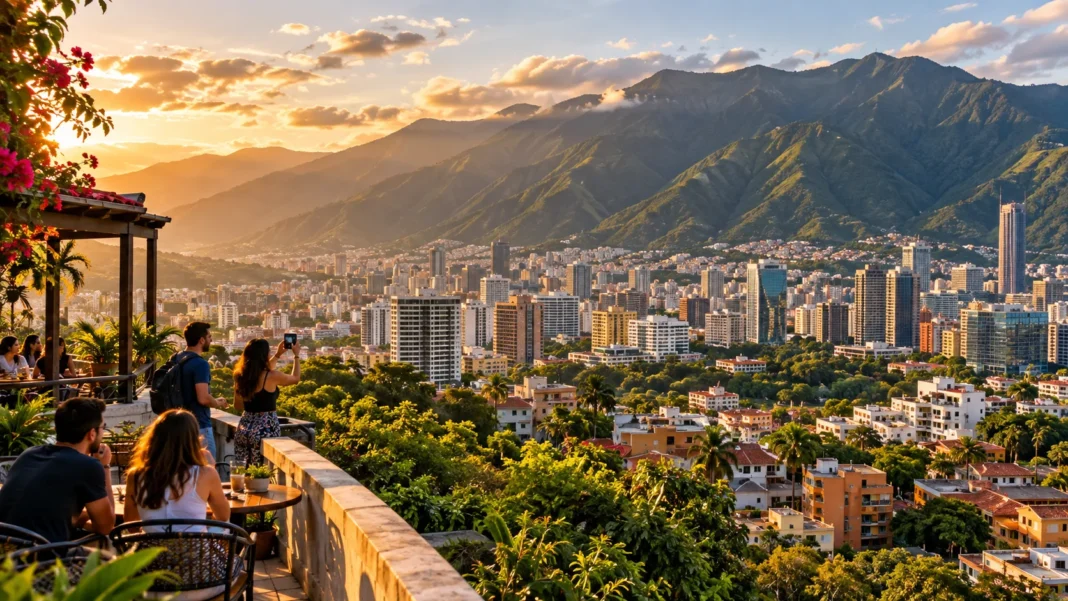
Caracas is a dramatic capital surrounded by mountains, combining historic landmarks, contemporary neighborhoods, museums, parks, Venezuelan food, and sweeping urban views. Its setting beneath the green slopes of Waraira Repano gives the city a distinctive appearance. Travelers willing to plan carefully can experience a side of Venezuela shaped by art, history, nature, architecture, and energetic city life.
The city spreads through a long valley, so individual neighborhoods can feel surprisingly different from one another. The historic center contains important civic and religious landmarks, while eastern districts offer restaurants, shopping, galleries, and greener residential areas. This variety means a Caracas itinerary can include cultural sightseeing, mountain scenery, local cuisine, and relaxing outdoor spaces within the same trip.
Caracas works best for travelers who avoid trying to cover the entire city in a single day. Traffic and distances can make apparently nearby attractions take longer to reach than expected. Grouping sights geographically and using reliable transportation creates more time to enjoy each place rather than spending most of the day moving between different districts.
See Caracas From Waraira Repano
Waraira Repano, historically known as El Ávila, forms the enormous green mountain backdrop visible from much of Caracas. The park separates the capital valley from Venezuela’s Caribbean coastline and provides some of the region’s most impressive viewpoints. For many visitors, seeing the city from higher elevations becomes one of the most memorable experiences of a Caracas trip.
Depending on local access and conditions, visitors may experience the mountain through established recreational areas, viewpoints, or hiking routes. Higher terrain brings cooler air and a completely different atmosphere from the busy city below. Clear days can reveal broad views over Caracas, while clouds and mist create a more dramatic mountain environment.
Mountain conditions and access can change, so confirm the situation locally before planning a hike or transport to higher areas. Take suitable footwear, drinking water, sun protection, and an extra layer because temperatures can feel cooler with elevation. Avoid entering unfamiliar trails without adequate information about the route, weather, daylight, and current access conditions.
Explore Plaza Bolívar and Historic Caracas
Plaza Bolívar is one of the natural starting points for understanding the historic center of Caracas. The square sits within an area associated with important civic, religious, and architectural landmarks. Shaded spaces, historic facades, and the central monument create a setting where visitors can pause while exploring the surrounding streets and learning about the city’s past.
Several important locations can be incorporated into a walk through central Caracas, depending on your interests and the conditions on the day. Historic churches, government buildings, cultural spaces, and traditional streets reveal an older side of the capital. A knowledgeable local guide can add useful context and make navigating the busy central districts more straightforward.
Visit during daylight and avoid carrying unnecessary valuables while exploring crowded urban areas. Rather than moving quickly from monument to monument, spend time observing architecture and public life around the plazas. Caracas becomes more understandable when historical landmarks are viewed as parts of a living city rather than isolated attractions on a sightseeing checklist.
Visit the National Pantheon and Historic Landmarks
The National Pantheon is among Caracas’s notable historic landmarks and has strong connections with Venezuela’s national history. Its impressive interior and ceremonial importance make it particularly interesting for visitors who want more context about the country beyond landscapes and modern neighborhoods. It fits naturally into a broader exploration of central Caracas and nearby cultural sites.
Architecture lovers can appreciate the monument as well as the historical meaning attached to it. Taking time to understand why certain figures and events are represented adds far more value than simply photographing the exterior. As with many civic landmarks, access arrangements may vary, so checking locally before building your entire day around a specific interior visit is sensible.
Combining the Pantheon with other central attractions helps reduce unnecessary transportation. Plan a historical half-day rather than repeatedly crossing Caracas between unrelated neighborhoods. Comfortable footwear is useful because even short walking routes may involve heat, crowds, or uneven surfaces, while carrying water makes extended sightseeing more comfortable during warm daytime conditions.
Relax in Los Chorros Park
Los Chorros Park provides a refreshing natural break from Caracas’s roads, buildings, and busy commercial districts. Dense vegetation, shaded paths, flowing water, and a waterfall create an unexpectedly green environment within the wider metropolitan area. It can be especially enjoyable after several hours spent visiting museums, monuments, shopping areas, or heavily built-up parts of the city.
The park works well for travelers who want nature without committing to a demanding mountain hike. Walking slowly through the trees can provide a cooler and calmer experience than many exposed urban areas. Families and casual visitors may find it a useful addition when a full day of formal sightseeing begins to feel tiring.
Wear shoes with enough grip because wet areas and natural surfaces can become slippery. Keep personal belongings secure and follow any local rules regarding access to water or particular sections of the park. Visiting during daylight and arranging reliable transportation in advance can make the experience more relaxed and easier to fit into your itinerary.
Walk Along Paseo Los Próceres
Paseo Los Próceres is a monumental avenue and public space known for broad walkways, formal design, fountains, sculptures, and military-themed monuments. Its scale makes it visually different from the narrower streets of historic Caracas. Visitors interested in urban planning, architecture, or Venezuelan public monuments may find it an interesting addition to their city itinerary.
The open design makes the area better suited to a relaxed walk than a quick roadside photo. Look at the landscaping, symmetry, and large-scale architectural elements while moving through the space. Because there is less shade in some sections, visiting earlier or later in the day may be more comfortable during warmer conditions.
This area can be paired with other attractions in the southern or central parts of Caracas depending on your route. Avoid designing a schedule that requires multiple long transfers simply to check off individual landmarks. The city is more enjoyable when several nearby places are explored together, leaving enough time for meals and unexpected delays.
Discover the Museums and Cultural Side of Caracas
Caracas has a strong cultural identity expressed through museums, visual art, architecture, theater, and public spaces. Travelers interested in Venezuelan history and creativity can dedicate part of their itinerary to museum visits rather than focusing entirely on outdoor landmarks. Indoor attractions also provide a useful option during hot afternoons or periods of unfavorable weather.
Art collections can introduce visitors to Venezuelan and international artistic traditions, while historical institutions provide additional context about the country’s political, social, and cultural development. Availability, exhibitions, and opening arrangements can change, so confirm details locally before traveling across the city specifically for one museum. Flexibility is especially valuable when building a cultural day.
Allow more time than expected if you genuinely enjoy art or history. Visiting two meaningful institutions slowly can be more rewarding than rushing through five buildings simply to say you saw them. Combine museum stops with a nearby café or neighborhood walk so the day includes both formal cultural experiences and a more relaxed sense of Caracas.
Experience El Hatillo
El Hatillo offers a different atmosphere from central Caracas, with colorful architecture, a more intimate historic center, restaurants, cafés, shops, and streets suited to slower exploration. Its character makes it a popular option for travelers who want a quieter afternoon away from some of the capital’s denser commercial areas.
Walk through the central streets, browse small shops, enjoy local food, and spend time around the main public spaces. The district is particularly appealing when you are looking for a destination where sightseeing can be combined naturally with lunch or coffee. Its smaller scale makes it easier to explore without building a detailed hour-by-hour schedule.
El Hatillo can become even more enjoyable later in the day when the strongest heat begins to fade. Arrange your return transport before staying into the evening, particularly if your accommodation is located far away. As elsewhere in Caracas, travel times can vary considerably, so account for the return journey when making dinner or evening plans.
Try Venezuelan Food in Caracas
Food is an essential part of a Caracas travel experience because the capital brings together flavors and dishes from different parts of Venezuela. Arepas are an obvious starting point, but visitors can also explore cachapas, empanadas, pabellón criollo, grilled meats, soups, seafood, tropical fruit, and numerous regional preparations depending on the restaurant.
Breakfast cafés, casual neighborhood restaurants, bakeries, and more polished dining venues can all offer different perspectives on Venezuelan cuisine. Ask what a restaurant is known for instead of automatically ordering the most familiar item. Trying several smaller meals across different neighborhoods can be a more interesting culinary experience than relying entirely on hotel dining.
Fresh fruit juices and coffee are also worth including during sightseeing breaks. Travelers with allergies or dietary restrictions should explain their requirements clearly because ingredients may not always be obvious. Choosing established, busy places and following ordinary food and water precautions can help keep the culinary side of the trip enjoyable.
Explore Modern Caracas Neighborhoods
Eastern Caracas contains many of the city’s restaurants, shopping areas, business districts, residential neighborhoods, and contemporary social spaces. Exploring these areas provides a useful contrast with the historic center and helps visitors see how modern daily life functions. Shopping centers, cafés, galleries, parks, and dining districts can all form part of a relaxed afternoon.
Las Mercedes is often associated with restaurants and entertainment, while other eastern districts offer their own mix of commercial and residential environments. Rather than traveling to a neighborhood only to take photographs, choose one where you can have a meal, walk through appropriate public areas, and spend enough time to understand its atmosphere.
Modern neighborhoods can also make practical bases for accommodation, depending on your itinerary and preferred transportation arrangements. Prioritize secure, well-reviewed lodging and ask the property for current advice about getting around. A hotel located near most of your planned activities can save substantial time compared with choosing solely on room price.
Plan a Day Around Nature and Viewpoints
Caracas’s mountain setting is one of the qualities that separates it from many other Latin American capitals. Even when you are not undertaking a major hike, look for opportunities to appreciate the relationship between the city and surrounding green slopes. Parks, elevated areas, and viewpoints can provide welcome breaks from dense urban streets.
A nature-focused day might combine a green urban park with a mountain experience or a scenic drive, depending on current conditions. Keep the itinerary flexible because clouds and rain can quickly affect visibility at elevation. Clear mornings may be especially useful when broad city views are an important part of your plans.
Avoid pushing ahead with outdoor excursions when local conditions make them unsuitable. Rain, trail closures, transport changes, or other restrictions can alter what is practical. Having a museum, restaurant, or neighborhood alternative gives you something worthwhile to do without treating a change in weather as a ruined travel day.
Understand the Best Time to Visit Caracas
Caracas generally has warm conditions throughout the year, with temperature differences moderated partly by its elevation. Seasonal changes are often experienced more through rainfall patterns than through dramatic hot and cold seasons. This makes the city potentially visitable across different months, provided travelers plan outdoor activities around current weather.
Drier conditions can make mountain views, park visits, and walking easier, while wetter periods may bring greener landscapes and more frequent interruptions from rain. A lightweight rain layer can therefore be useful during seasons when showers are more common. Sun protection remains important because strong sunlight can appear even on days that begin cloudy.
The best period ultimately depends on your priorities. Travelers focused on outdoor scenery may value clearer weather, while visitors mainly interested in food, museums, and city culture can remain more flexible. Check short-term forecasts immediately before your trip because local conditions are more useful for daily planning than broad seasonal assumptions alone.
Practical Tips for Visiting Caracas
Organize sightseeing by area because Caracas can require significant travel time between attractions. Choose a historical day, an eastern-neighborhood day, and a nature-focused day rather than constantly moving back and forth across the city. This approach creates a calmer itinerary and reduces the impact of traffic on the experiences you actually came to enjoy.
Use reliable transportation arranged through trusted providers, your accommodation, or services currently recommended locally. Avoid unnecessary late-night movement through unfamiliar areas and stay aware of your surroundings in crowded places. Carry only what you need for the day and keep important documents, larger amounts of money, and backup cards secured appropriately.
Current conditions can change, so obtain up-to-date local guidance shortly before and during your visit. Confirm transportation arrangements, attraction access, and neighborhood considerations rather than relying entirely on older travel experiences. Good preparation does not need to dominate the trip; it simply creates more freedom to enjoy Caracas with fewer avoidable complications.
Conclusion
Caracas combines mountain scenery, historic landmarks, green parks, museums, contemporary neighborhoods, and Venezuelan food in a setting unlike many other capitals. Waraira Repano provides the dramatic natural backdrop, while Plaza Bolívar, the National Pantheon, Los Chorros, and El Hatillo reveal different sides of the city’s history and character.
A successful Caracas itinerary should prioritize quality over quantity. Group attractions geographically, allow extra transportation time, and alternate busy cultural days with parks or mountain scenery. The city becomes more enjoyable when you leave enough room for a long meal, a museum discovered unexpectedly, or additional time at a viewpoint.
Preparation is especially important when visiting Caracas, so use reliable transport and keep informed about local conditions throughout your stay. With thoughtful planning, the city offers a fascinating combination of Venezuelan culture, architecture, food, and landscapes. Approach it with flexibility and curiosity rather than trying to follow an overly rigid sightseeing checklist.
FAQs
How many days do you need in Caracas?
Three to four days can cover several major attractions, cultural areas, food experiences, and nature stops. Additional time allows a slower itinerary with more museums, neighborhoods, and mountain or park experiences.
What are the best things to see in Caracas?
Popular highlights include Waraira Repano, Plaza Bolívar, the National Pantheon, Los Chorros Park, Paseo Los Próceres, museums, and El Hatillo. The best combination depends on your interests and current local access.
What food should I try in Caracas?
Try Venezuelan staples such as arepas, cachapas, empanadas, pabellón criollo, grilled meats, soups, tropical fruit, and local desserts. Caracas also offers restaurants representing regional cuisines from across Venezuela.
What should I pack for Caracas?
Pack lightweight clothing, comfortable walking shoes, sun protection, a compact rain layer, and a secure day bag. Add warmer clothing if your plans include higher mountain areas where temperatures may feel noticeably cooler.
How should I plan transportation in Caracas?
Arrange reliable transportation through trusted local options and group attractions by neighborhood to reduce long cross-city journeys. Leave extra time for traffic and confirm current local transport guidance before traveling to unfamiliar areas.