


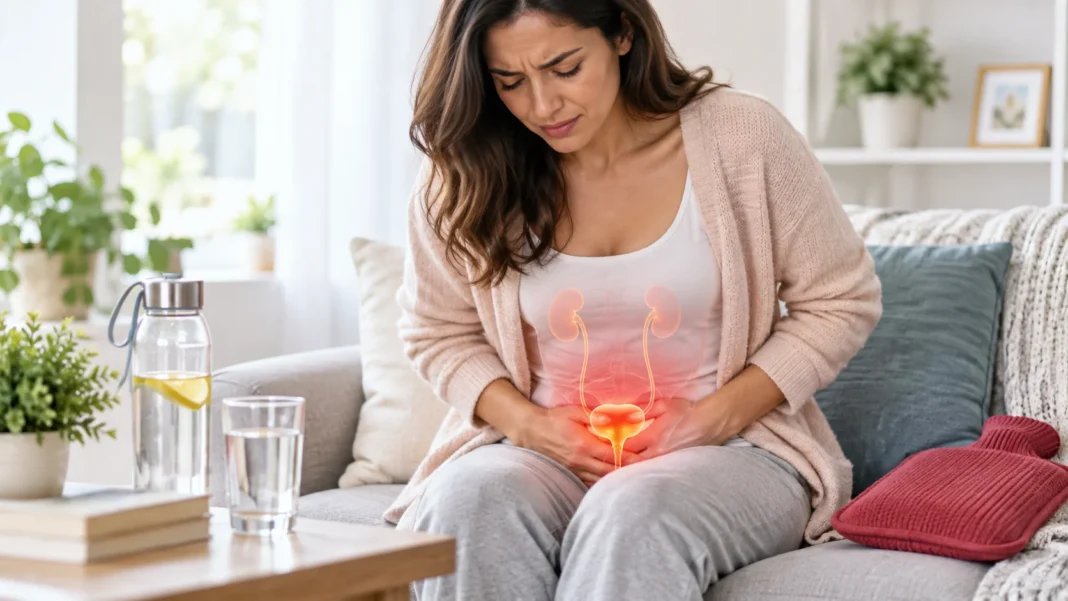
Pain or burning while urinating can be uncomfortable, distracting, and sometimes worrying. The medical term for painful urination is dysuria, and it can happen for several reasons, ranging from urinary tract infections and irritation to kidney stones, sexually transmitted infections, or inflammation around the bladder and urethra.
The type of discomfort can also vary. Some people feel burning as urine passes, while others notice pressure, sharp pain, pelvic discomfort, or an urgent need to urinate repeatedly. Understanding the most common causes and warning signs can help you know when simple supportive care may be reasonable and when medical evaluation is important.
What Does Painful Urination Mean?
Painful urination describes burning, stinging, aching, or discomfort that occurs before, during, or immediately after peeing. The sensation may come from the urethra, bladder, genital area, or surrounding pelvic tissues. Some people notice mild irritation, while others experience intense pain that makes them avoid or delay going to the bathroom.
The exact location can provide clues, although symptoms often overlap. Burning near the opening may suggest irritation around the urethra, while deeper pelvic pressure can occur with bladder problems. Pain accompanied by back or side discomfort may raise concern for conditions involving the upper urinary tract or kidneys.
Dysuria is a symptom rather than a diagnosis. Many different conditions can create similar sensations, so identifying the cause usually requires considering additional symptoms such as urinary frequency, fever, discharge, blood in the urine, pelvic pain, or changes in urine appearance and smell.
Urinary Tract Infections and Burning When You Pee
A urinary tract infection, commonly called a UTI, is one of the most common causes of painful urination. It usually develops when bacteria enter the urinary tract and begin multiplying. The infection may affect the urethra or bladder and can sometimes move upward toward the kidneys if it is not treated appropriately.
Typical symptoms can include burning while urinating, frequent trips to the bathroom, urgency, passing only small amounts of urine, and discomfort in the lower abdomen. Urine may also appear cloudy or have a stronger smell than usual. However, symptoms vary, and not everyone with a UTI experiences every classic sign.
UTIs often require medical treatment, particularly when symptoms are persistent or significant. Antibiotics may be prescribed when a bacterial infection is confirmed or strongly suspected. Drinking fluids can support hydration, but water alone should not be relied upon to treat an infection that is continuing, worsening, or causing systemic symptoms.
Can Dehydration Make Urination Hurt?
Dehydration can make urine more concentrated, which may cause stronger odor, darker color, and irritation for some people. Concentrated urine can sometimes make existing inflammation feel more noticeable as it passes through sensitive tissues. However, dehydration is not usually the only explanation when burning is persistent or severe.
Increasing fluid intake may help when mild irritation is associated with low water intake. Sipping fluids regularly throughout the day can make urine less concentrated and may reduce discomfort. You do not need to force extremely large quantities of water, and excessive fluid intake is not a substitute for treatment when an infection or another medical problem is present.
If painful urination improves quickly after normal hydration, dehydration may have contributed to the symptoms. If burning continues despite adequate fluids or is accompanied by fever, blood, pelvic pain, or frequent urgency, another cause should be considered. Ongoing discomfort deserves assessment rather than repeatedly trying to solve it with water alone.
Sexually Transmitted Infections and Painful Urination
Some sexually transmitted infections can cause burning during urination because they irritate the urethra or surrounding genital tissues. Chlamydia, gonorrhea, herpes, and other infections may produce urinary discomfort. Depending on the infection, symptoms can also include discharge, sores, pelvic pain, testicular discomfort, bleeding, or no obvious symptoms at all.
Painful urination after a new sexual partner or unprotected sexual contact should not automatically be assumed to be a UTI. Testing can distinguish between different infections because treatments are not interchangeable. Some sexually transmitted infections can remain asymptomatic while still causing complications or being passed to another person.
Medical testing is especially important if dysuria occurs with genital discharge, ulcers, unusual bleeding, or pain during sex. Avoid self-treating with leftover antibiotics because the wrong medication may not address the infection. Proper diagnosis allows treatment to be targeted and also helps determine whether partners may need testing or treatment.
Kidney Stones and Sharp Pain When Urinating
Kidney stones can cause urinary discomfort when mineral deposits move through the urinary tract. The pain is often more intense than ordinary burning and may be felt in the side, back, lower abdomen, or groin. Symptoms can come in waves as the stone moves, and some people also notice nausea or vomiting.
Blood in the urine can occur when a stone irritates the lining of the urinary tract. Urinary urgency or discomfort may also become more noticeable as a stone moves closer to the bladder. Not every stone causes severe pain, but sudden sharp pain combined with urinary symptoms should not simply be treated as mild irritation.
Small stones may pass on their own, while larger stones can require medical treatment. The appropriate approach depends on the stone’s size, location, symptoms, and whether urine flow is blocked. Severe pain, fever, vomiting, or difficulty urinating should prompt timely medical assessment because complications can occur.
Bladder Irritation and Interstitial Cystitis
Not all burning or bladder pain comes from a bacterial infection. Some people experience bladder irritation or a condition known as interstitial cystitis, also called bladder pain syndrome. This condition can cause urinary frequency, urgency, pelvic pressure, and bladder discomfort without the typical bacterial findings seen with a standard UTI.
Symptoms may flare and settle over time, and certain foods, drinks, stress, or other individual triggers may influence discomfort. However, these patterns vary considerably between people. Diagnosis generally involves ruling out infections and other urinary or pelvic conditions rather than relying on one symptom alone.
Treatment can involve several approaches depending on symptom severity. Lifestyle adjustments, pelvic rehabilitation, medications, bladder-focused strategies, and professional guidance may all play a role. Because symptoms overlap with UTIs and other conditions, repeated self-treatment for infection without proper testing may delay a more accurate diagnosis.
Irritation From Soaps, Products, or Friction
Sometimes painful urination comes from irritation of the skin or tissues around the urethral opening rather than from the urinary tract itself. Scented soaps, bubble baths, feminine hygiene products, certain lubricants, detergents, or other chemicals may irritate sensitive tissue. Friction from sexual activity or exercise can produce similar discomfort.
When external tissue is inflamed, urine passing over the area can create a burning or stinging sensation. This may feel similar to a UTI even though the bladder is not infected. Redness, tenderness, or obvious irritation around the genital area can make an external cause more likely.
Stopping the suspected irritant and using gentle, fragrance-free cleansing may help mild cases settle. Avoid repeatedly applying strong products in an attempt to disinfect the area because this can worsen irritation. If symptoms continue, become more painful, or are associated with discharge, sores, or urinary frequency, medical evaluation is appropriate.
Can Pelvic Floor Problems Cause Pain When You Pee?
Pelvic floor muscles help support the bladder and participate in urinary control. If these muscles are excessively tense, poorly coordinated, or painful, urination can sometimes feel uncomfortable or difficult. Some people experience pelvic pressure, incomplete emptying, hesitancy, pain during sex, or urinary urgency along with discomfort while peeing.
Pelvic floor problems can coexist with bladder irritation, previous infections, stress, or other pelvic pain conditions. Because the symptoms overlap with several urinary disorders, a pelvic floor issue should not be diagnosed simply because infection testing is negative once. A healthcare professional can assess whether muscle tension or coordination appears to be contributing.
Treatment may involve pelvic floor physical therapy, relaxation strategies, breathing exercises, and gradual retraining rather than strengthening alone. Tight muscles do not always need more squeezing exercises. An individualized assessment is particularly useful when urinary symptoms are persistent but standard infection treatments have not provided lasting relief.
Lower Back Pain, Side Pain, and Urinary Symptoms
Painful urination combined with discomfort in the lower back or side deserves closer attention because urinary and musculoskeletal symptoms can sometimes occur together. Kidney infections and kidney stones may cause back or flank pain, while ordinary muscle pain can appear in a similar general area. The surrounding symptoms help distinguish between possibilities.
Musculoskeletal discomfort is often influenced by movement, lifting, posture, or pressing on the area. A problem such as quadratus lumborum pain may cause one-sided lower-back discomfort, but it would not usually explain burning urine by itself. Urinary symptoms combined with fever or illness require a different level of concern.
If back pain changes significantly with movement and urinary symptoms are mild, the two problems may be unrelated. However, fever, chills, nausea, worsening side pain, or painful urination together can suggest a urinary infection involving the kidneys. Those symptoms should be medically assessed rather than managed only with stretching or pain relief.
What Can You Do for Relief at Home?
If symptoms are mild and there are no warning signs, normal hydration is a reasonable starting point. Drink enough fluid to avoid becoming dehydrated and monitor whether urine becomes lighter and discomfort improves. Avoid deliberately overdrinking because excessive water does not cure infections and can sometimes create other problems.
Temporarily avoiding products that may irritate the urinary or genital area can also help. Scented soaps, harsh cleansers, or newly introduced personal-care products should be considered if symptoms began soon after using them. Some people also find that highly caffeinated or irritating drinks make bladder discomfort more noticeable during a flare.
Over-the-counter pain relief may be appropriate for some people, depending on medical history and other medications. However, pain medicines only address symptoms rather than the underlying cause. If burning persists, recurs frequently, or is accompanied by additional urinary or systemic symptoms, testing is more useful than repeatedly masking the discomfort.
When Should You See a Doctor?
Medical assessment is appropriate when painful urination lasts more than a short period, becomes progressively worse, or keeps returning. Frequent UTIs, ongoing pelvic pain, blood in the urine, unusual discharge, or symptoms after possible sexual exposure also deserve evaluation. Testing may include urine analysis, cultures, or other examinations depending on the symptoms.
You should seek more prompt care when painful urination occurs with fever, chills, nausea, vomiting, or pain in the back or side. These symptoms can suggest an infection affecting the kidneys or another condition requiring timely treatment. Difficulty passing urine or significant lower abdominal pain should also be assessed quickly.
Pregnant people, children, older adults, and people with significant medical conditions may need earlier evaluation because urinary infections can become more complicated in some groups. Severe weakness, confusion, inability to keep fluids down, or rapidly worsening symptoms should not be managed at home without professional advice.
How Painful Urination Is Diagnosed
A healthcare professional will usually begin by asking about the timing and character of your symptoms. They may ask whether the discomfort occurs at the start or end of urination, whether you have urgency or frequency, and whether there is blood, discharge, fever, pelvic pain, or recent sexual exposure.
A urine sample is commonly used when a UTI is suspected. Testing can look for signs of infection, blood, and other abnormalities, while a urine culture may identify the bacteria responsible. Sexually transmitted infection testing may also be appropriate depending on symptoms, sexual history, and examination findings.
Additional testing may be considered when symptoms are severe, recurrent, or unexplained. Imaging can sometimes be useful when kidney stones or urinary obstruction are suspected. The goal is to identify the cause rather than treating all painful urination the same way, since infections, stones, irritation, and pelvic conditions require different approaches.
Conclusion
Painful urination can result from many different causes, including urinary tract infections, dehydration, sexually transmitted infections, kidney stones, bladder irritation, external irritation, or pelvic floor problems. The sensation may feel like burning, pressure, stinging, or sharp pain, and additional symptoms often provide important clues about the underlying issue.
Mild irritation may improve with normal hydration and avoiding irritating products, but persistent symptoms should not be ignored. Antibiotics are appropriate only for certain infections, while kidney stones, bladder pain conditions, and pelvic floor problems require different management. Accurate diagnosis is more useful than repeatedly assuming every episode is a UTI.
Seek medical help sooner when painful urination occurs with fever, back or side pain, blood in the urine, vomiting, difficulty urinating, unusual discharge, or worsening symptoms. These signs can indicate a condition that needs prompt treatment. Understanding the cause is the most reliable path toward effective relief and prevention of recurring problems.
FAQs
Why does it burn when I pee?
Burning can occur because of a UTI, urethral irritation, dehydration, sexually transmitted infection, bladder inflammation, or irritated genital tissue. Persistent or recurrent burning should be assessed to identify the actual cause.
Can dehydration cause painful urination?
Dehydration can make urine more concentrated and potentially increase irritation in sensitive tissues. However, ongoing or severe pain should not automatically be blamed on dehydration, especially when other urinary symptoms are present.
Does painful urination always mean a UTI?
No. UTIs are common, but kidney stones, STIs, bladder pain syndrome, pelvic floor problems, and external irritation can also cause discomfort. Testing may be needed when symptoms overlap or repeatedly return.
When is painful urination an emergency?
Seek urgent care for painful urination with high fever, severe side or back pain, vomiting, inability to urinate, significant weakness, or rapidly worsening symptoms. These can indicate kidney infection, obstruction, or another serious problem.
Can painful urination go away on its own?
Mild irritation may settle after hydration or avoiding an irritating product. However, bacterial infections, stones, and other conditions may require treatment, so persistent, severe, or recurring symptoms should be professionally evaluated.