


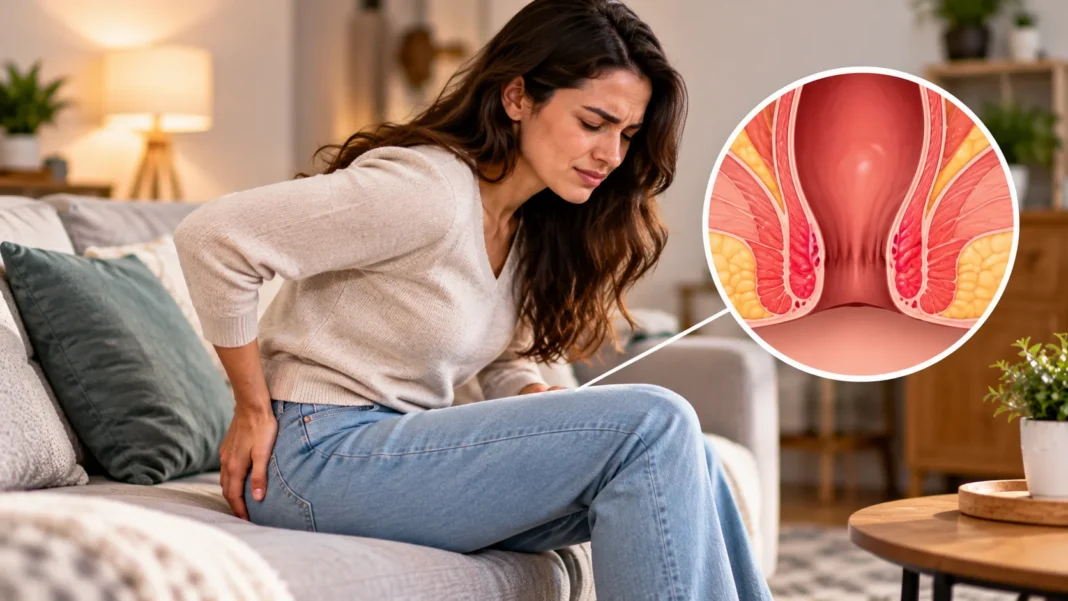
Proctalgia fugax is a condition that causes sudden, intense pain in or around the rectum. The pain usually comes without warning, lasts for a short time, and then disappears completely. Although the episodes can feel alarming, they often occur without any lasting damage to the rectum or surrounding tissues.
People may describe the sensation as cramping, stabbing, squeezing, or a severe spasm deep inside the anus or rectum. Episodes can happen during the day or at night and may occasionally wake someone from sleep. Because rectal pain can have several causes, understanding the typical pattern of proctalgia fugax is important.
Most episodes end on their own before treatment can take effect, but recurring pain can still affect daily life and create anxiety. Warmth, relaxation, and strategies that reduce pelvic muscle tension may provide relief for some people. Persistent, unusual, or worsening rectal pain should be medically evaluated rather than automatically assumed to be proctalgia fugax.
What Is Proctalgia Fugax?
Proctalgia fugax is a type of recurring anorectal pain characterized by brief episodes of pain in the rectum or anal area. The word “fugax” refers to its temporary nature, because symptoms often disappear as suddenly as they begin. Between episodes, people usually feel completely normal and may have no ongoing rectal discomfort.
The condition is generally considered a functional anorectal pain disorder, meaning symptoms can occur without an obvious structural problem being found. Spasms involving muscles around the rectum or pelvic floor are thought to contribute. However, the exact mechanism can vary and is not always clearly identifiable in an individual person.
Proctalgia fugax should be distinguished from pain caused by hemorrhoids, anal fissures, infections, inflammatory conditions, or other rectal problems. These conditions can produce overlapping symptoms but may require different treatment. A healthcare professional may therefore need to rule out other explanations when rectal pain is new, severe, or frequently recurring.
What Does Proctalgia Fugax Feel Like?
Proctalgia fugax often feels like a sudden sharp or cramping pain located deep inside the rectum. Some people describe a squeezing sensation, while others experience a stabbing pain that makes them stop whatever they are doing. The intensity can range from uncomfortable to severe even though the episode itself may be relatively brief.
Pain commonly appears without much warning and may last from seconds to several minutes. Some episodes continue a little longer, but prolonged pain is less typical and deserves closer evaluation. Once the spasm ends, the discomfort usually disappears completely rather than leaving persistent soreness for the rest of the day.
The unpredictable nature of the condition can make symptoms feel especially concerning. A person may feel perfectly normal between episodes and then experience sudden intense discomfort. Tracking how long the pain lasts, how often it occurs, and whether other bowel or pelvic symptoms are present can help during a medical assessment.
What Causes Proctalgia Fugax?
The exact cause of proctalgia fugax is not fully understood, but temporary muscle spasms around the anal canal or pelvic floor are commonly suspected. These muscles normally help control bowel movements and support structures within the pelvis. A sudden involuntary contraction may create the intense pressure or pain associated with an episode.
Some people report episodes after bowel movements, sexual activity, stress, or prolonged sitting, while others cannot identify any consistent trigger. Symptoms may also occur during sleep without any obvious preceding activity. The absence of a trigger does not mean the pain is imagined; functional muscle and nerve symptoms can appear even when no structural injury is present.
Pelvic muscle tension may also contribute in some individuals. People who frequently tighten muscles around the abdomen, buttocks, or pelvic floor may have difficulty fully relaxing these areas. However, proctalgia fugax is not caused by one simple behavior, and blaming posture, stress, or muscle tension alone can overlook other possible explanations.
Can Stress Trigger Proctalgia Fugax?
Stress may influence symptoms for some people because emotional tension can affect muscle activity and pain perception throughout the body. The pelvic floor can tighten subconsciously during periods of anxiety, pressure, or poor sleep. If these muscles are already sensitive, additional tension may contribute to a temporary spasm or make discomfort feel more intense.
This does not mean proctalgia fugax is purely psychological. Physical symptoms are real even when stress plays a role in triggering or amplifying them. Many conditions involve interactions between the nervous system, muscles, and emotional state, and addressing one contributing factor does not suggest that the pain is imagined.
Relaxation techniques may therefore be useful as part of symptom management. Slow breathing, progressive muscle relaxation, gentle movement, and reducing prolonged tension may help some people feel more comfortable. If stress appears closely connected with repeated episodes, improving sleep and developing reliable coping strategies can also support broader pelvic health.
Proctalgia Fugax vs Other Causes of Rectal Pain
Anal fissures can cause sharp pain around bowel movements and may produce bleeding on toilet paper or in the toilet. Unlike proctalgia fugax, fissure pain may continue for a longer period after passing stool. Hemorrhoids may also cause discomfort, itching, swelling, bleeding, or a lump around the anus rather than brief isolated spasms.
Pelvic floor disorders can produce rectal pressure or aching that lasts much longer than a typical proctalgia fugax episode. Some people may also experience a sensation of fullness or feel as though something is present in the rectal area. Persistent rectal pressure deserves evaluation because several conditions can create similar symptoms.
Infections, inflammatory bowel conditions, abscesses, and other anorectal problems can also cause pain. These conditions are more likely to produce additional signs such as swelling, fever, drainage, bleeding, or ongoing tenderness. Because symptom patterns overlap, recurring rectal pain should not be self-diagnosed solely based on where the discomfort occurs.
How Is Proctalgia Fugax Diagnosed?
There is no single test that automatically confirms proctalgia fugax. Diagnosis usually depends on the characteristic symptom pattern and excluding other causes of rectal pain. A healthcare professional may ask when episodes happen, how long they last, whether pain occurs with bowel movements, and if bleeding or other symptoms are present.
Depending on your symptoms, a physical or rectal examination may be recommended. Additional testing is not always necessary, particularly when symptoms closely match the typical pattern and no warning signs are present. However, testing may be appropriate when pain is persistent, bleeding occurs, bowel habits change significantly, or another anorectal condition is suspected.
Keeping a symptom diary can make the evaluation more useful. Record how long each episode lasts, what you were doing beforehand, bowel movement patterns, and any accompanying symptoms. This information may help distinguish brief functional spasms from conditions that produce longer-lasting inflammation, injury, or pressure around the rectum.
At-Home Relief for Proctalgia Fugax
Because episodes are often short, pain may disappear before any treatment has time to work. When the discomfort lasts longer, sitting in warm water may help relax muscles around the rectum and pelvic floor. A warm bath or sitz bath can provide soothing heat without requiring aggressive stretching or direct pressure.
Slow breathing may also help reduce unnecessary muscle tension. Try breathing gently into the abdomen while consciously relaxing the buttocks, abdomen, and pelvic floor instead of tightening against the pain. Clenching in response to a spasm is understandable, but it may make the area feel even tighter until the episode passes.
Avoid forceful massage or inserting objects into the rectum in an attempt to stop the spasm. These approaches can irritate sensitive tissues and will not necessarily address the cause. If episodes become frequent or difficult to manage, a healthcare professional can discuss additional treatments instead of relying only on repeated home remedies.
Pelvic Floor Relaxation and Daily Habits
Pelvic floor relaxation may be helpful for people whose symptoms are associated with muscle tension. This involves learning to let the muscles around the anus and pelvis lengthen and soften rather than repeatedly performing strong contractions. Gentle breathing and comfortable positions can sometimes make this easier than consciously trying to “push” the muscles downward.
Avoid assuming that more pelvic floor strengthening is always better. Some people with pelvic pain already hold excessive tension in these muscles, so repeated squeezing exercises may not address the underlying problem. A pelvic health physiotherapist can assess whether strengthening, relaxation, coordination, or another approach is more appropriate for your symptoms.
Regular movement can also prevent prolonged periods of tension around the hips and pelvis. Brief walking breaks, comfortable stretching, adequate sleep, and bowel habits that minimize straining may support overall pelvic function. These habits are not a guaranteed cure for proctalgia fugax, but they can reduce additional factors that may contribute to discomfort.
Bowel Habits and Proctalgia Fugax
Constipation and repeated straining can place additional pressure on muscles around the anus and pelvic floor. While constipation is not necessarily the direct cause of proctalgia fugax, improving bowel habits may reduce unnecessary irritation. Regular movement, appropriate dietary fiber, and sufficient fluid intake can support more comfortable bowel movements for many people.
Avoid sitting on the toilet for long periods or repeatedly straining when a bowel movement is difficult. Giving the body time and responding to a natural urge can be more comfortable than forcing stool to pass. A small foot support may also help some people find a more relaxed position when using the toilet.
Persistent constipation should be discussed with a healthcare professional rather than managed indefinitely through trial and error. Medications, diet, pelvic floor coordination, and medical conditions can all influence bowel habits. Addressing ongoing constipation may also help clarify whether rectal pain is being triggered by bowel movements or occurring independently.
Medical Treatment Options for Frequent Episodes
People with occasional, brief symptoms may not need specific medical treatment beyond reassurance and simple comfort measures. Frequent or particularly painful episodes, however, can justify further discussion with a clinician. Treatment choices depend on symptom frequency, severity, possible triggers, and whether another pelvic or anorectal problem is contributing.
A clinician may consider medications intended to reduce muscle spasm or provide symptom relief in selected cases. Because episodes can end quickly, treatments are not equally useful for everyone. Medication decisions should be individualized rather than based on recommendations found online, particularly when other health conditions or medications need to be considered.
Pelvic floor physical therapy may also be recommended when muscle coordination or persistent pelvic tension appears relevant. Therapy can include education, breathing strategies, relaxation work, and individualized exercises. The goal is not simply to strengthen the pelvic floor but to improve how those muscles contract and relax during everyday activities.
When Should You See a Doctor?
Arrange a medical evaluation if rectal pain repeatedly returns, becomes more frequent, or begins lasting much longer than previous episodes. Pain that interferes with sleep, bowel movements, work, or daily activities also deserves assessment. A professional can determine whether the symptom pattern fits proctalgia fugax or whether another condition is more likely.
Seek care sooner when pain occurs with rectal bleeding, unexplained weight loss, persistent changes in bowel habits, drainage, swelling, fever, or a noticeable lump. These symptoms are not typical of simple short-lived spasms and may indicate another problem. New rectal pain should also be evaluated more carefully when significant gastrointestinal disease is already present.
Urgent medical attention may be necessary for severe persistent pain accompanied by fever, rapidly increasing swelling, heavy bleeding, fainting, or severe abdominal symptoms. These signs can occur with conditions that require prompt treatment. Do not wait for repeated episodes to disappear on their own when the overall symptom pattern has clearly changed.
Can Proctalgia Fugax Be Prevented?
There is no guaranteed way to prevent every episode because triggers are often unclear. Some people may go weeks or months without symptoms and then experience an episode unexpectedly. Focusing on manageable factors such as bowel habits, stress, sleep, and pelvic muscle tension can still be worthwhile when these appear connected to symptoms.
If you notice a repeated trigger, record it rather than immediately avoiding large parts of normal life. For example, if pain frequently occurs after constipation or prolonged sitting, improving those specific habits may be useful. A pattern documented over several episodes provides better information than making major lifestyle changes after one painful event.
The most helpful approach is usually individualized. People with frequent episodes may benefit from medical evaluation and, when appropriate, pelvic floor therapy. Understanding the condition and knowing that brief episodes can settle on their own may also reduce fear, which can help prevent unnecessary muscle tightening when symptoms suddenly begin.
Conclusion
Proctalgia fugax causes sudden episodes of rectal or anal pain that typically appear without warning and disappear after a relatively short time. The pain may feel sharp, cramping, squeezing, or stabbing and can be intense despite its brief duration. Muscle spasms around the pelvic floor and anal canal are thought to play an important role.
Warm baths, gentle breathing, pelvic floor relaxation, and healthy bowel habits may help some people manage symptoms. Frequent episodes may require more individualized treatment, including medical assessment or pelvic floor therapy. Avoid repeatedly treating unexplained rectal pain at home without confirming that another condition is not responsible.
Most importantly, pay attention to changes in the usual symptom pattern. Persistent pain, bleeding, fever, swelling, bowel changes, or other unusual symptoms should be evaluated by a healthcare professional. Proper assessment can provide reassurance when symptoms are consistent with proctalgia fugax and identify other problems when treatment is needed.
FAQs
How long does proctalgia fugax usually last?
Episodes typically last from seconds to several minutes and then disappear completely. Pain lasting much longer, especially when accompanied by bleeding, swelling, fever, or other symptoms, should be medically evaluated.
What triggers proctalgia fugax?
Possible triggers include stress, bowel movements, sexual activity, prolonged sitting, and pelvic muscle tension, although many episodes occur without an obvious trigger. Different people may notice different patterns over time.
Is proctalgia fugax dangerous?
Proctalgia fugax itself is generally considered a benign functional pain condition. However, similar rectal pain can occur with other disorders, so new, persistent, or unusual symptoms should not automatically be self-diagnosed.
Can a warm bath help proctalgia fugax?
Warm water may help relax muscles around the anus and pelvic floor during a longer episode. Because many attacks end quickly, symptoms may disappear before any home treatment has time to work.
When should rectal pain be checked by a doctor?
Seek evaluation when pain becomes persistent, frequently recurring, or occurs with bleeding, fever, swelling, bowel changes, unexplained weight loss, or a noticeable lump. Severe rapidly worsening symptoms may require urgent medical care.