


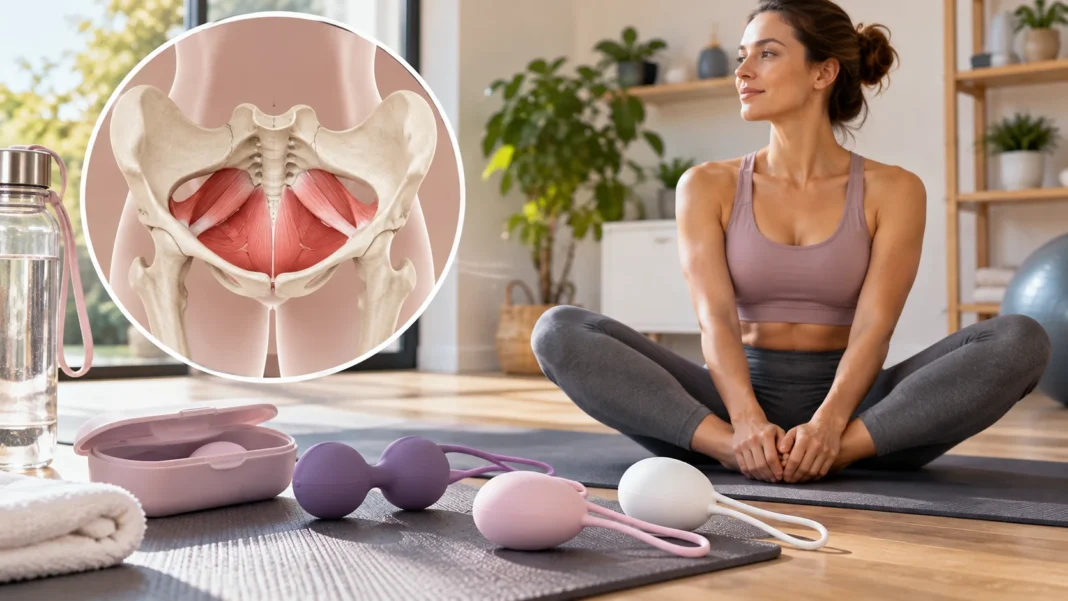
What Are Kegel Weights?
Kegel weights are small vaginal devices designed to add gentle resistance during pelvic floor exercises. They are sometimes called vaginal weights, pelvic floor weights, or Kegel exercisers. The idea is similar to strength training elsewhere in the body: the pelvic floor muscles work to support or hold the device in place while you practice controlled contractions.
These devices usually come in several sizes or resistance levels so users can progress gradually. Some are cone-shaped, while others are round or elongated and may include a retrieval cord. The exact design varies, but the purpose is to give the pelvic floor a small amount of additional challenge during appropriate exercises.
Kegel weights are not necessary for everyone who wants to strengthen the pelvic floor. Many people can improve muscle coordination using bodyweight contractions alone. Weights may be useful when someone already understands how to contract and relax the pelvic floor correctly and wants a structured way to increase resistance.
How Kegel Weights Work
The pelvic floor is a group of muscles that supports the bladder, bowel, uterus, and other pelvic structures. These muscles contract when you perform a Kegel exercise. When a vaginal weight is inserted, the pelvic floor has to respond to the added load, which can make the exercise more challenging than an unweighted contraction.
The goal is not to grip the weight as hard as possible for long periods. Effective pelvic floor strengthening usually involves controlled contractions followed by complete relaxation. Training both phases is important because muscles need the ability to contract when required and relax when the task is finished.
Kegel weights can also provide feedback. If the device begins slipping downward, that may indicate the muscles are tiring or that the resistance is too heavy. This feedback can help users understand endurance, although it should not replace professional assessment when pelvic floor symptoms are present.
Who May Benefit From Kegel Weights?
Kegel weights may be useful for people who have been advised to strengthen weak pelvic floor muscles. This can include some individuals experiencing mild stress urinary leakage, reduced pelvic floor strength after pregnancy, or difficulty maintaining a pelvic floor contraction. The underlying cause should still be understood before starting resistance-based training.
They may also appeal to people who already perform Kegel exercises correctly but want more structured progression. Adding a small amount of resistance can make training more measurable, especially when the lightest weight no longer feels challenging. Progress should remain gradual rather than moving immediately to heavier devices.
Not everyone with pelvic symptoms needs strengthening. Some people have overactive or tight pelvic floor muscles and may need relaxation, breathing, or coordination work instead. In these cases, adding weights can potentially increase tension, which is why symptoms such as pelvic pain or pain with penetration should be assessed before resistance training.
How to Choose the Right Kegel Weight
Beginners should usually start with the lightest comfortable resistance rather than assuming heavier is better. The device should be easy to insert, comfortable to wear briefly, and removable without difficulty. If you cannot hold the lightest weight without excessive squeezing or discomfort, it may be better to work on basic contractions first.
Material and hygiene also matter. Choose a product made from body-safe, nonporous material that can be cleaned according to the manufacturer’s instructions. A smooth surface can make insertion more comfortable, while a secure retrieval feature can make removal easier.
The best choice also depends on your experience and goals. Some sets offer several progressive weights, while others use one device with adjustable resistance. Avoid choosing purely by maximum weight because pelvic floor training is about control, endurance, and coordination rather than lifting the heaviest possible device.
How to Insert Kegel Weights Safely
Start by washing your hands and cleaning the device according to its instructions. Choose a comfortable position, such as lying down with your knees bent or standing with one foot supported. A small amount of water-based lubricant may make insertion easier and reduce unnecessary friction.
Insert the device gently rather than pushing forcefully. It should sit comfortably inside the vagina, with any retrieval cord or removal feature remaining accessible if the design includes one. If insertion causes sharp pain, burning, or strong pressure, stop rather than assuming discomfort is part of the exercise.
Once the weight is positioned, take a moment to breathe and relax. The pelvic floor should not remain clenched continuously from the moment the device is inserted. Begin with brief, controlled contractions and allow the muscles to relax between repetitions so the session does not become an endurance hold by accident.
How to Use Kegel Weights Correctly
Start with short sessions and a light weight. Gently contract the pelvic floor as though you were trying to stop the flow of urine or prevent passing gas, then release fully. Hold each contraction only for as long as you can maintain good control without tightening your buttocks, thighs, or abdominal muscles excessively.
A simple beginner routine may involve several short contractions with equal or longer relaxation between them. For example, you might contract for a few seconds and then relax for the same amount of time or longer. The exact duration depends on your current strength and ability to maintain proper technique.
Avoid walking around for long periods while squeezing continuously. Holding the weight in place throughout daily activities is not necessarily better training and may lead to muscle fatigue. Controlled practice in short sessions is generally more useful than turning the pelvic floor into a muscle that is constantly working without adequate relaxation.
Common Kegel Weight Mistakes
Using too much resistance is one of the most common mistakes. If the weight repeatedly slips out or you have to squeeze as hard as possible to keep it in place, the resistance may be too heavy. Dropping to a lighter level usually provides better training quality and makes it easier to practice controlled contractions.
Another mistake is forgetting to relax. Some users focus only on tightening because they assume stronger pelvic muscles mean constant contraction. Pelvic floor muscles also need to lengthen and release, especially during urination, bowel movements, sexual activity, and normal breathing.
People may also compensate with surrounding muscles. Tightening the glutes, inner thighs, or abdomen can make it feel as though the pelvic floor is working harder when the movement is actually coming from elsewhere. Keeping the rest of the body relatively relaxed can improve awareness of the target muscles.
How Often Should You Use Kegel Weights?
Frequency depends on your current strength, symptoms, and how your body responds. Beginners may benefit from short sessions a few times per week rather than daily high-intensity practice. Pelvic floor muscles, like other muscles, need enough recovery to adapt after resistance training.
More is not automatically better. If you notice increasing pelvic heaviness, soreness, difficulty relaxing, or discomfort after sessions, reduce the frequency or resistance. These signs can indicate fatigue or that the exercise is not matching your current pelvic floor needs.
Progress should be based on control rather than the calendar. Once you can use a lighter weight comfortably with good technique and complete relaxation between contractions, you may consider increasing resistance slightly. There is no benefit in advancing quickly if form begins to deteriorate.
Kegel Weights and Other Lower-Body Exercises
Pelvic floor function is influenced by the hips, glutes, core, and breathing muscles. Strengthening these surrounding areas can complement pelvic floor training and improve overall movement control. Exercises such as bridges, supported squats, and gentle core work can often fit well into a broader routine.
Hip comfort matters too because pain around the hips can change how people move and brace their pelvic muscles. If you experience persistent hip discomfort, learning more about hip bursitis may help you understand when hip symptoms deserve separate attention. Pelvic floor training should not be used to push through unrelated joint or soft-tissue pain.
Breathing is also worth practicing during exercise. Exhaling gently during effort and avoiding excessive breath-holding can reduce unnecessary pressure through the abdomen and pelvis. A balanced routine should develop coordination across the trunk and hips rather than treating the pelvic floor as an isolated muscle group.
When Kegel Weights May Not Be Appropriate
Kegel weights may not be appropriate when pelvic floor muscles are already overactive or painful. Symptoms such as pelvic pain, pain with penetration, difficulty relaxing during bowel movements, or persistent pelvic pressure can sometimes be associated with excessive muscle tension. Adding resistance in these situations may worsen symptoms instead of helping.
People recovering from recent pelvic surgery, childbirth, or other procedures should follow individualized medical guidance before inserting or training with vaginal weights. Healing tissues may need more time before resistance exercises are introduced. The timeline can vary substantially depending on the procedure and individual recovery.
Stop using the weights if you develop bleeding, sharp pain, burning, numbness, worsening urinary symptoms, or persistent discomfort. These symptoms should not be treated as normal signs of a productive workout. Professional evaluation can help determine whether strengthening, relaxation, or another form of treatment is more appropriate.
How to Progress With Kegel Weights
Progression should happen gradually and only when the current level feels comfortable and controlled. You can increase the number of quality repetitions, hold contractions slightly longer, or move to a heavier weight. Changing one variable at a time makes it easier to understand how your pelvic floor responds.
Do not judge progress only by the heaviest weight you can hold. Better coordination, fewer leaks, improved endurance, and the ability to relax completely are also meaningful signs of improvement. Pelvic floor strength is useful only when the muscles can respond appropriately during everyday activities.
Keeping brief notes can help you track changes. Record the resistance used, how many controlled contractions you completed, and whether symptoms improved or worsened afterward. This can make progression more consistent and provide useful information if you later discuss your routine with a pelvic floor physical therapist.
When to See a Pelvic Floor Specialist
A pelvic floor physical therapist can help if you are unsure whether your muscles are weak, tight, or poorly coordinated. These problems can create similar symptoms but require very different approaches. An assessment can clarify whether Kegel weights are appropriate or whether another form of training would be more effective.
Professional help is especially useful when urinary leakage, pelvic pressure, pain, bowel problems, or sexual discomfort continue despite home exercises. Repeating more Kegels is not always the answer. A specialist can assess breathing, muscle tone, strength, coordination, hip function, and movement patterns.
You should also seek advice if symptoms become worse when you use the weights. Training should not create persistent pain or make everyday pelvic function more difficult. Individual guidance can help you avoid unnecessary resistance work and build a routine that better matches your actual needs.
Conclusion
Kegel weights can provide gentle resistance for people who are already able to contract and relax their pelvic floor correctly. They may support strength and endurance when used gradually and with good technique. The goal is controlled muscle function rather than holding the heaviest device for the longest possible time.
Start with light resistance, short sessions, and complete relaxation between contractions. Keep the glutes, thighs, and abdomen relatively relaxed so the pelvic floor does the intended work. Progress only when the current level feels comfortable and does not cause pain, heaviness, or persistent fatigue.
Most importantly, remember that not every pelvic floor problem requires strengthening. Tight or overactive muscles may need relaxation and coordination instead. If you have pelvic pain, persistent urinary symptoms, recent surgery, or uncertainty about your technique, individualized guidance can help determine whether Kegel weights are appropriate for you.
FAQs
What are Kegel weights used for?
Kegel weights are used to add gentle resistance to pelvic floor strengthening exercises. They can help some people improve muscle control and endurance when basic Kegel exercises are already comfortable.
How long should you use Kegel weights?
Beginners should usually start with short sessions rather than prolonged wear. The exact duration depends on strength and comfort, and the muscles should be allowed to relax fully between contractions.
Can Kegel weights make pelvic floor muscles too tight?
Yes, excessive or inappropriate strengthening can contribute to increased tension in some people. If you develop pelvic pain, pressure, or difficulty relaxing, stop and seek professional guidance.
How do I know which Kegel weight to start with?
Start with the lightest resistance you can use comfortably while maintaining good technique. If you must squeeze constantly or the weight repeatedly slips, the resistance may be too heavy.
Are Kegel weights safe for everyone?
No. People with pelvic pain, recent pelvic surgery, active irritation, or certain pelvic floor conditions may need to avoid them. A pelvic floor specialist can help determine whether resistance training is suitable.