


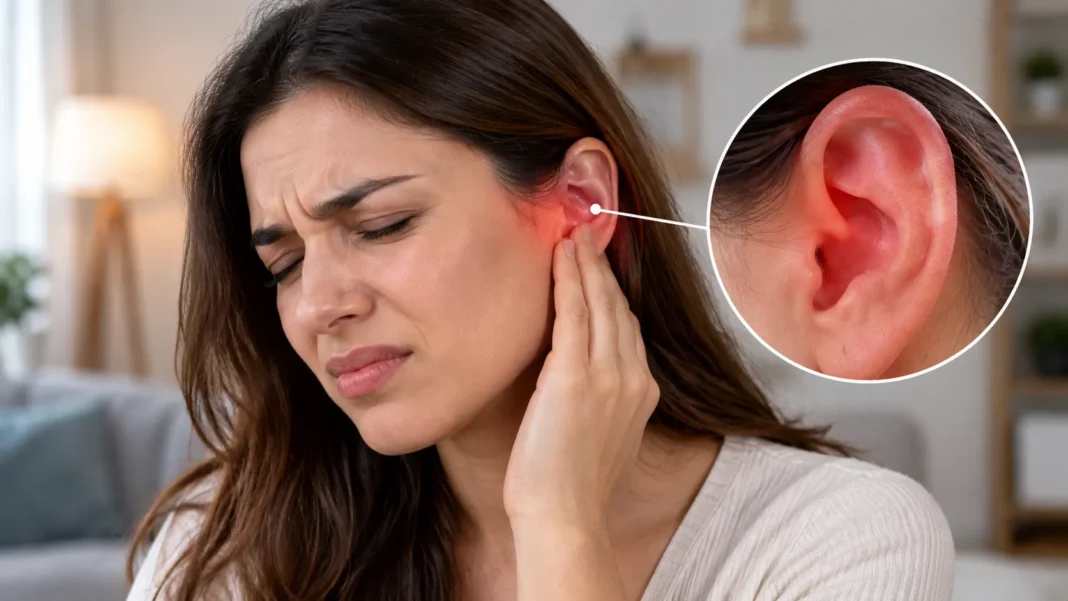
Why Does My Ear Hurt When I Touch It? 7 Causes
If your ear hurts when you touch it, the tenderness often points toward a problem involving the outer ear, ear canal, surrounding skin, or nearby structures rather than something deep inside the ear. Pain may become noticeable when you pull on the ear, press the small flap in front of the ear canal, sleep on one side, insert earbuds, or touch a particular swollen area. Common causes include swimmer’s ear, skin irritation, a small boil, an infected piercing, or minor trauma. In some cases, pain that seems to come from the ear actually starts in the jaw or nearby tissues. Looking at accompanying symptoms can help narrow down what may be happening.
The exact location of tenderness provides useful clues. Pain when pressing the tragus, the small cartilage flap just in front of the ear canal, is commonly associated with inflammation of the outer ear canal. Tenderness affecting the upper cartilage after a piercing may suggest a different type of infection that deserves prompt attention. If the skin is itchy, flaky, or cracked, dermatitis may be more likely than a deeper infection. A swollen area after wrestling, boxing, or another impact can point toward an auricular hematoma. Jaw pain that increases while chewing can instead indicate temporomandibular joint irritation. These patterns can guide evaluation, but they cannot replace an examination when symptoms are significant.
Most mild ear tenderness is not an emergency, but some combinations of symptoms require medical attention. Fever, pus, rapidly increasing swelling, severe pain, spreading redness, hearing loss, dizziness, facial weakness, or swelling behind the ear should not be ignored. People with diabetes or weakened immune systems should also take severe or persistent ear-canal pain seriously because certain infections can become more complicated. Avoid inserting cotton swabs, fingernails, or other objects into a painful ear because they can damage irritated skin further. This guide explains seven reasons your ear may hurt when touched, what other symptoms to watch for, and when it is time to contact a healthcare professional.
Cause 1: Swimmer’s Ear or Otitis Externa
Swimmer’s ear, medically called acute otitis externa, is one of the most recognizable causes of ear pain that becomes worse when the outer ear is touched. The condition involves inflammation and usually infection of the external ear canal, which runs from the ear opening toward the eardrum. A classic clue is pain when you gently pull on the outer ear or press the tragus in front of the canal. The ear may also feel itchy, blocked, or unusually sensitive. Redness and swelling can develop inside the canal, and some people notice fluid or discharge. Because the inflamed tissue is close to the surface, even light pressure can feel surprisingly painful.
Water exposure is a common trigger because moisture that remains inside the ear canal can weaken the skin’s natural protective barrier and create conditions where bacteria grow more easily. This explains the familiar name “swimmer’s ear,” although you do not need to be a swimmer to develop it. Showering, humid conditions, frequent earbud use, and anything that traps moisture can contribute in susceptible people. Removing earwax too aggressively can also raise risk because normal wax helps protect the ear canal. Scratching the canal with cotton swabs, fingernails, or other objects can create tiny skin injuries. Bacteria can then enter damaged tissue and cause increasing inflammation and pain.
Symptoms can begin relatively mildly with itching or slight discomfort before progressing to more obvious pain. As swelling increases, the ear may feel blocked and hearing can temporarily seem muffled. Discharge may be clear at first or become thicker depending on the infection. Some people experience tenderness extending into nearby tissue around the ear. More advanced infection can produce intense pain that interferes with sleep. If pain becomes severe, the ear canal looks markedly swollen, or fever develops, medical evaluation becomes more important. A clinician can examine the canal and determine whether prescription ear drops or another treatment is needed.
Trying to clean an infected canal aggressively usually makes the problem worse. Cotton-tipped applicators can push debris deeper, scratch already inflamed skin, and increase swelling. Ear candles should also be avoided because they do not reliably remove infection or wax and can cause burns or additional injury. Keeping the ear dry until it has been evaluated or begins recovering is generally sensible. If you use hearing aids or earbuds, they may temporarily worsen irritation when the canal is inflamed. A healthcare professional can tell you when it is appropriate to resume normal use. The goal is to allow the skin barrier to recover while treating infection when necessary.
Most cases of uncomplicated swimmer’s ear respond well to appropriate treatment, but certain people need closer attention. Severe persistent pain in someone with diabetes, significant immune suppression, or other major health problems deserves prompt medical assessment because a rare but serious form of external ear infection can spread beyond the ear canal. Pain that appears much worse than the visible findings can be another reason for urgent evaluation. Fortunately, this is not what happens in ordinary swimmer’s ear. For most otherwise healthy people, recognizing the characteristic tenderness when touching or pulling the outer ear helps identify the possibility early. Timely treatment can prevent a mild infection from becoming much more uncomfortable.
Cause 2: A Boil or Furuncle Inside the Ear Canal
A small boil inside the ear canal can cause intense tenderness even though the affected area may be tiny. This type of boil, sometimes called a furuncle, develops when a hair follicle or small area of skin becomes infected. Because the ear canal is a narrow space with little room for swelling, even a small lump can create considerable pressure and pain. Touching the ear, pressing near the canal entrance, chewing, or lying on the affected side may increase discomfort. Some people describe a very specific tender spot rather than the more generalized irritation associated with swimmer’s ear. The boil may eventually develop a small collection of pus.
Ear-canal boils can appear after the skin has been damaged by scratching, inserting objects into the ear, or repeatedly using cotton swabs. Even tiny abrasions can provide a pathway for bacteria. Earbuds and hearing devices may also contribute to friction if they rub repeatedly against one area of irritated skin. People sometimes make the situation worse by trying to locate or squeeze the painful bump with a fingernail. This can push bacteria deeper and increase inflammation. The ear canal is difficult to inspect safely without proper equipment, so repeatedly probing for the source of pain is not recommended. A clinician can usually identify the lesion using an otoscope.
Symptoms may include a localized throbbing pain, itching, irritation, or temporary muffled hearing if the swelling partially blocks the canal. If the boil opens naturally, a small amount of discharge may appear. Pain often becomes worse when pressure is placed near the affected portion of the outer ear. Because the discomfort can resemble other ear problems, it is not always possible to distinguish a boil from otitis externa without examination. A large boil may need professional drainage, while smaller ones can sometimes settle with conservative treatment. Antibiotic treatment may be considered when infection is more extensive or does not improve.
Do not attempt to pop an ear-canal boil yourself with a needle, pin, cotton swab, or other object. The canal is close to delicate structures, and inserting tools can injure the skin or eardrum. Squeezing may also spread infection into surrounding tissue. A warm compress held against the outside of the ear may provide comfort for some people, but it should not be extremely hot. Over-the-counter pain relief may be appropriate when you can normally take it safely. The ear should otherwise be left alone and kept reasonably dry. If pain is increasing rather than improving, professional examination is the safer next step.
Repeated ear boils can suggest that something is continually irritating the canal or damaging the skin. Excessive cleaning is one common cause, but chronic dermatitis, frequent earbud use, or recurring infections may also contribute. A clinician can look for underlying skin problems and advise how to protect the canal. Earwax should generally be allowed to perform its normal protective function rather than being removed routinely from deep inside the ear. Cleaning only the visible outer portion is usually sufficient for most people. Preventing repeated trauma is often more useful than repeatedly treating new boils after they appear. A healthy ear canal typically needs less intervention than many people assume.
Cause 3: Ear Dermatitis, Eczema, or Contact Irritation
Ear pain can sometimes begin with a skin problem rather than an infection. Dermatitis of the outer ear or ear canal can cause itching, redness, flaking, scaling, swelling, and painful cracks in the skin. People with eczema, psoriasis, or seborrheic dermatitis may develop similar inflammation around or inside the ear. When the skin barrier becomes dry and irritated, touching the ear can produce burning or soreness. Itching may be the most noticeable symptom early on. If a person scratches repeatedly, however, the skin can become increasingly tender and may eventually develop a secondary infection that causes much stronger pain.
Contact dermatitis occurs when the ear reacts to something touching the skin. Nickel-containing earrings are a familiar trigger, but hair products, hair dye, lotions, cosmetics, headphones, hearing-aid materials, and other substances can also cause irritation or an allergic reaction. The rash may appear on the earlobe, behind the ear, around the canal opening, or wherever the triggering material comes into contact with the skin. Symptoms may include intense itching, redness, moisture, peeling, or small cracks. A new beauty product or pair of earrings can provide an important clue. Removing the trigger often plays a major role in allowing the inflammation to settle.
Repeated exposure to water can worsen dermatitis even when bacteria are not initially involved. Frequent swimming, showering, or cleaning can strip protective oils from the skin and make the canal more vulnerable to irritation. Cotton swabs can make the problem worse by scratching delicate tissue and removing protective earwax. Once cracks appear, bacteria or fungi may enter the damaged skin, turning an itchy condition into a more painful external ear infection. A shift from predominantly itching to substantial pain may therefore suggest secondary infection. This is one reason persistent ear-canal eczema deserves attention rather than endless scratching or home cleaning.
Treatment depends on the cause, which is why identifying the trigger matters. Avoiding an irritating earring or hair product may solve contact dermatitis, while chronic eczema may require a different skin-care approach. Clinicians sometimes prescribe topical anti-inflammatory treatment for appropriate cases, but medications should not be placed deep inside the ear unless they are intended for that location. A damaged eardrum or uncertain diagnosis can change which ear products are safe. Simply reaching for leftover antibiotic drops is not a good strategy because dermatitis is not always bacterial. An examination can distinguish dry inflammatory skin from infection and guide treatment more accurately.
Seek medical advice if the skin becomes increasingly painful, hot, swollen, or begins producing pus. These changes can indicate bacterial infection on top of the original dermatitis. Recurrent ear eczema may also need professional management if avoiding obvious triggers does not help. Keeping fingernails and cotton swabs away from itchy ear canals is one of the most useful preventive measures because scratching perpetuates the injury. People who use hearing aids or earbuds may need to clean those devices appropriately and ensure they fit without excessive friction. Once the skin barrier heals, the ear generally becomes much less sensitive to touch. Protecting the skin is therefore central to preventing repeated flare-ups.
Cause 4: An Infected Piercing or Perichondritis
An infected ear piercing can make the surrounding tissue painful whenever it is touched. Mild tenderness can be normal shortly after a new piercing, but increasing pain, heat, redness, swelling, or pus raises concern for infection. Earlobe infections and cartilage infections are not exactly the same because the upper ear contains cartilage with a more vulnerable blood supply. A piercing through the upper cartilage deserves particular attention if the ear becomes increasingly red and painful. Infection involving the tissue surrounding ear cartilage is known as perichondritis. Without appropriate treatment, severe infection can damage the cartilage and permanently change the shape of the ear.
Perichondritis often develops after trauma creates an entry point for bacteria. High cartilage piercings are a well-known trigger, but cuts, burns, scratches, insect bites, or other injuries can also allow infection to develop. The affected upper ear can become noticeably red, swollen, warm, and very tender. The earlobe may be less involved than the cartilage-bearing portions of the ear, which can provide a useful clinical clue. In some cases, fluid or an abscess develops between the surrounding tissue and cartilage. This can interfere with the blood supply the cartilage needs. Prompt treatment helps reduce the risk of tissue damage and deformity.
A piercing should not be judged only by how red it looks because skin color changes may appear differently across different skin tones. Increasing warmth, swelling, tenderness, drainage, or feeling generally unwell can also signal infection. Thick yellow, green, or foul-smelling discharge is more concerning than the small amount of pale crusting that can occur during normal early healing. Fever or chills suggest the problem may be extending beyond simple local irritation. Do not repeatedly twist, squeeze, or manipulate a painful piercing in an attempt to drain it. This increases trauma and can introduce additional bacteria into already inflamed tissue.
If a high cartilage piercing becomes significantly painful and swollen, medical evaluation should not be delayed simply to see whether home cleaning solves it. Cartilage infections can behave differently from routine earlobe irritation and may require prescription antibiotics. An abscess may need professional drainage. Removing jewelry without medical advice can sometimes allow an infected opening to close while infected material remains trapped, so the safest decision depends on the individual situation. A clinician can determine whether jewelry should remain temporarily or be removed. The important point is that worsening cartilage infection deserves professional assessment rather than aggressive do-it-yourself treatment.
Preventing piercing complications begins with choosing a reputable professional who uses appropriate sterile technique and provides clear aftercare instructions. Avoid touching a new piercing with unwashed hands and do not expose it to unnecessary friction. Sleeping directly on a new cartilage piercing can create persistent pressure and irritation. Headphones, helmets, phones, and hair products may also repeatedly contact the area. Once healed, jewelry containing materials that trigger allergic contact dermatitis can still cause recurrent soreness. If your ear repeatedly becomes itchy or tender around one pair of earrings, the problem may be sensitivity rather than infection. Pattern and accompanying symptoms help distinguish the possibilities.
Cause 5: Trauma, Pressure, or an Auricular Hematoma
Sometimes an ear hurts when touched for the simplest reason: it has been injured. A bump, fall, sports collision, accidental pull, tight headset, or prolonged pressure while sleeping can irritate the skin and cartilage of the outer ear. Mild injuries may produce temporary soreness without obvious swelling. More significant trauma can cause bruising, cuts, or fluid accumulation. Because the ear cartilage is covered by relatively thin tissue, an impact can feel especially tender when touched afterward. The recent history often provides the strongest clue. If pain began immediately after a noticeable injury, trauma should be considered before assuming the problem is an infection.
An auricular hematoma is a more important traumatic injury in which blood collects within or around the tissues of the outer ear cartilage. It is commonly associated with contact sports such as wrestling, rugby, martial arts, and boxing, where repeated shearing or blunt forces strike the ear. The ear may look swollen, bruised, distorted, or unusually soft and fluid-filled in one area. Pain and tenderness are common. Without proper treatment, disrupted blood flow and abnormal healing can produce permanent thickening and deformity known as cauliflower ear. Early medical care can significantly reduce that risk.
Do not attempt to drain a swollen traumatic ear yourself with a needle. Proper treatment involves more than simply removing blood because the space may refill unless appropriate pressure and follow-up are provided. Introducing a nonsterile needle can also cause infection. If the outer ear becomes visibly swollen after an impact, prompt evaluation is appropriate, especially for athletes. The clinician may also check for other injuries depending on how the trauma happened. Headache, loss of consciousness, dizziness, hearing loss, bleeding from the ear, or neurological symptoms after significant head trauma require broader medical assessment rather than focusing only on the tender ear.
Smaller pressure injuries may develop without a dramatic accident. Tight over-ear headphones, helmets, sleep position, eyeglass arms, or hearing devices can repeatedly press against the same part of the ear. The skin may become red, sore, or develop a small pressure-related tender area. Removing or adjusting the source of pressure may allow symptoms to settle. Persistent focal pain should still be checked if there is a lump, wound, or skin change that does not heal. Constantly sleeping on the same painful spot can delay recovery. Protecting the ear from repeated pressure is an important part of treatment.
Prevention is particularly important for athletes exposed to repeated ear trauma. Proper headgear and ear guards can reduce the likelihood of hematomas during wrestling and similar activities. Athletes should not continue repeated contact on a newly swollen ear while hoping the problem will disappear. Early treatment is much easier than correcting established cauliflower ear later. Outside sports, making sure headphones and helmets fit properly can reduce chronic pressure. A tender ear after minor trauma should usually improve gradually. Pain or swelling that continues worsening, rather than settling over time, deserves medical examination to rule out a hematoma, cartilage injury, or infection.
Cause 6: A Pimple, Cyst, Scratch, or Local Skin Infection
Not every painful ear is caused by a problem deep inside the canal. The skin of the outer ear can develop pimples, blocked pores, irritated hair follicles, small cysts, scratches, or local infections just like skin elsewhere on the body. A tiny inflamed bump can become surprisingly painful because the ear contains limited soft tissue over cartilage. The discomfort is often highly localized, meaning you can point directly to one tender spot. Pain may occur only when touching that area or lying on it. Looking at the visible outer ear with good lighting may reveal the source without needing to insert anything into the canal.
Acne-like bumps can occur around the ear when oil, dead skin cells, sweat, hair products, or friction block pores. Headphones, hats, helmets, and phones can trap moisture and repeatedly rub against the skin. People may also transfer bacteria when they frequently touch their ears with unwashed hands. Trying to squeeze a deep painful bump can increase inflammation and push material farther into the tissue. The ear’s shape also makes some spots difficult to drain naturally. A small lesion may settle on its own, while a larger or increasingly painful one may require professional evaluation.
Cuts and scratches are another easily overlooked source of ear tenderness. Fingernails can create small abrasions during scratching, especially when dry skin or eczema is already present. Hairbrushes, earrings, sports equipment, razors, and sharp objects can also injure the skin. A fresh scratch may sting only when touched at first, but increasing redness and warmth can suggest infection. Keeping visible minor wounds clean and avoiding continued manipulation usually helps healing. Do not pour harsh chemicals or concentrated antiseptics into the ear canal because they can irritate delicate tissue and may not be safe if the eardrum is damaged.
Cellulitis, a bacterial infection of the skin and tissue underneath it, can occasionally affect areas around the ear. The skin may become increasingly red or discolored, warm, swollen, and painful. Unlike a tiny isolated pimple, the tender area can spread. Fever or feeling unwell can occur in more significant cases. Cellulitis should be evaluated medically because antibiotics may be needed. Rapidly progressing swelling or redness deserves quicker attention, particularly when it affects the face or cartilage of the ear. Waiting for a spreading infection to open and drain by itself is not a reliable treatment strategy.
Pay attention to whether a visible lump repeatedly returns in exactly the same location. Recurrent cysts or blocked glands may need assessment if they repeatedly become inflamed. A persistent sore, crusted area, or skin lesion that does not heal also deserves examination rather than being assumed to be a pimple indefinitely. Most small skin problems around the ear are harmless and improve with time. The main warning signs are worsening pain, spreading redness, pus, fever, or a lesion that persists unexpectedly. The fact that the problem is visible does not always mean it should be squeezed or treated aggressively at home.
Cause 7: TMJ Problems or Referred Pain From Nearby Areas
Ear pain does not always originate in the ear itself. Several nearby structures share nerve pathways that can cause pain to be felt around or inside the ear even when the ear canal and eardrum look normal. The temporomandibular joint, commonly called the TMJ, is one of the most frequent sources of referred ear pain. This joint sits just in front of each ear and connects the lower jaw to the skull. If it becomes irritated, touching the area near the ear can feel painful. Chewing, yawning, clenching the teeth, or opening the mouth widely may also increase discomfort.
TMJ-related pain can occur with jaw clenching, teeth grinding, stress, arthritis, injury, or problems affecting how the jaw moves. Some people notice clicking, popping, stiffness, or difficulty opening the mouth comfortably. The ear may feel full even though no ear infection is present. Headaches and facial tenderness can occur alongside the ear pain. Because the jaw joint lies directly beside the ear, it is easy to assume that the problem is entirely otologic. A clinician or dentist may examine jaw movement, teeth, muscles, and the ear itself when trying to determine the source.
Dental problems can also send pain toward the ear. An infected tooth, significant decay, gum inflammation, or problems involving wisdom teeth can produce discomfort that seems surprisingly close to the ear. Tooth sensitivity, pain when biting, gum swelling, or a bad taste can provide clues that the source is dental. Throat infections and other nearby head and neck conditions may also occasionally create referred ear pain because of shared nerve pathways. This becomes particularly relevant when someone has significant ear pain but the ear examination appears normal. Treating the actual source usually improves the referred pain.
Pain from nearby structures is one reason chronic ear discomfort should not be self-diagnosed indefinitely. If the ear looks normal yet pain continues for weeks, a clinician may need to examine the jaw, teeth, throat, neck, and other nearby areas. Migraine can also present with ear discomfort in some people, particularly when headaches or familiar migraine triggers occur at the same time. Rarely, persistent unexplained ear pain can be associated with more serious head or neck conditions. That does not mean chronic ear pain usually indicates something dangerous. It simply means persistent symptoms deserve proper evaluation rather than repeated ear drops without a diagnosis.
TMJ discomfort may improve when aggravating jaw habits are addressed, but treatment depends on the underlying cause. People may benefit from temporarily avoiding excessively chewy foods, gum, or extreme jaw opening while waiting for assessment. Stress-related clenching may require a different strategy from arthritis or a dental problem. Avoid assuming that every pain in front of the ear is TMJ dysfunction because infections and skin conditions can occur in the same area. A professional examination can separate these possibilities. If ear tenderness repeatedly appears alongside jaw clicking, chewing discomfort, or morning jaw soreness, mentioning those symptoms specifically can help your clinician identify the most likely source.
What Can You Do at Home for a Tender Ear?
The safest home-care approach depends on what appears to be causing the pain, so avoid treating every tender ear the same way. Start by leaving the ear canal alone rather than repeatedly checking it with cotton swabs, fingernails, or tools. If the outer ear was irritated by headphones, jewelry, or pressure, removing that trigger may allow minor soreness to settle. A cool or warm compress applied outside the ear can provide comfort depending on the cause and personal preference. The compress should never be hot enough to burn the skin. Keep track of whether symptoms are improving, remaining stable, or becoming worse.
If water exposure appears to have triggered pain, keep the ear reasonably dry while symptoms are being evaluated. Do not pour homemade alcohol, vinegar, hydrogen peroxide, oils, or other liquids into a painful ear without knowing whether the eardrum is intact or what diagnosis is present. Home mixtures recommended for one ear problem may irritate another. Prescription drops also should not be borrowed from someone else or reused automatically from an old infection. Different conditions require different treatments, and some drops may be unsuitable when there is a perforated eardrum. An examination provides much more useful information than experimenting with multiple products.
Over-the-counter pain medication may help with mild discomfort when you can normally use the medication safely. Follow the label and consider professional advice if you are pregnant, have kidney or liver disease, take blood thinners, have stomach ulcers, or use other medications that could interact. Children require age-appropriate treatment rather than scaled-down adult assumptions. Pain medicine should improve comfort while the cause resolves; it should not be used to ignore rapidly worsening symptoms. Severe pain despite standard measures deserves evaluation. Pain intensity can provide useful information about how actively inflamed or injured the tissue may be.
Avoid squeezing lumps, draining swollen cartilage, or attempting to remove deep earwax yourself when the ear is already painful. Mechanical attempts at treatment can turn minor irritation into a significant canal injury or infection. If you suspect impacted wax, a healthcare professional can confirm whether wax is actually responsible before recommending removal. Similarly, a painful bump may be a boil, cyst, or inflamed tissue that should not be punctured at home. Protecting the ear from additional trauma often makes diagnosis and recovery easier. The less irritated tissue is manipulated, the better chance it has to heal normally.
Monitor accompanying symptoms rather than focusing only on pain. Hearing loss, discharge, fever, dizziness, jaw symptoms, skin changes, recent swimming, piercing history, trauma, or severe itching can all help distinguish possible causes. Note when the symptoms began and what makes them worse. This information can be useful if you need medical care. Mild tenderness that steadily improves after removing an obvious irritant may need little intervention. Pain that persists, recurs, or develops additional symptoms should be examined. Home care is most appropriate when symptoms are mild and clearly moving in the right direction.
When Should Ear Pain When Touched Be Checked by a Doctor?
Seek prompt medical care if ear pain is severe, rapidly worsening, or accompanied by significant swelling or drainage. Pus, blood, fever, or spreading redness can indicate an infection that needs treatment. Marked swelling of the upper cartilage after a piercing deserves particular attention because perichondritis can damage the ear if treatment is delayed. A swollen outer ear after sports trauma should also be evaluated quickly because an auricular hematoma may need drainage. These conditions are easier to manage before complications develop. Waiting several days while swelling increases can make treatment more difficult.
Pain behind the ear deserves additional caution when it occurs with fever, recent middle ear infection, redness, or swelling over the bone behind the ear. Rarely, infection can spread to the mastoid bone, creating a condition that requires urgent medical treatment. The ear may appear to protrude differently because of swelling behind it. Severe headache, neurological symptoms, or significant illness increase the concern. Do not assume that all pain behind the ear is mastoiditis, since muscles, lymph nodes, skin conditions, and other structures can also become tender. The combination of worsening illness and swelling is what makes prompt evaluation important.
Sudden or substantial hearing loss also warrants medical attention, especially when it develops quickly rather than gradually with obvious congestion. Some causes of sudden hearing change require time-sensitive treatment. Ear pain associated with severe dizziness, facial weakness, or neurological symptoms should likewise be evaluated promptly. An object stuck in the ear canal should be removed professionally if it cannot be taken out easily without inserting instruments. Children are particularly likely to place small objects in their ears. Repeated attempts to remove something at home can push it deeper or injure the eardrum.
People with diabetes, significant immune suppression, or serious chronic health conditions should seek advice sooner when ear-canal pain becomes intense or persistent. Certain outer-ear infections can spread into surrounding structures more readily in high-risk individuals. Pain that seems disproportionately severe or continues at night deserves attention. This does not mean everyone with diabetes and an earache has a dangerous infection, but the threshold for examination should be lower. Tell the clinician about underlying health conditions rather than treating the issue as an isolated ear problem. Medical context helps determine how urgently symptoms should be investigated.
Finally, arrange an evaluation when pain keeps returning or lasts longer than expected without a clear explanation. Chronic ear pain may involve eczema, recurrent otitis externa, TMJ dysfunction, dental disease, migraine, or another nearby source. Repeatedly treating presumed infections without confirming the diagnosis can delay effective care. A clinician can look inside the canal and examine the eardrum, outer ear, jaw, throat, and surrounding tissues. The most important clue may be what the examination does not show. Persistent ear pain deserves a diagnosis rather than an endless cycle of home remedies and guesswork.
Frequently Asked Questions About Ear Pain When Touched
Why does my ear hurt when I press on it?
Pain when pressing the outer ear can occur with swimmer’s ear, a small boil, irritated skin, an infected piercing, trauma, or another local inflammatory problem. Pain specifically when pressing the tragus is a common clue for inflammation of the external ear canal.
Why does my ear hurt when I sleep on it?
Pressure from sleeping on one side can aggravate irritated cartilage, a pimple or cyst, skin inflammation, a new piercing, or a minor injury. Persistent focal tenderness or a visible sore that does not heal should be examined.
Can an ear infection make the outside of my ear hurt?
Yes, especially with otitis externa, or swimmer’s ear, which affects the external ear canal and often causes pain when the outer ear is pulled or touched. Middle ear infections can also cause earache but typically do not produce the same classic outer-ear tenderness.
Should I worry if my ear is red, swollen, and painful to touch?
Increasing redness, swelling, warmth, or pain can indicate infection, particularly after a piercing or injury. Seek medical care promptly if the symptoms are worsening, pus is present, you have a fever, or the cartilage of the upper ear is significantly swollen.
Can jaw problems cause ear pain?
Yes. TMJ dysfunction, teeth grinding, dental problems, and other nearby conditions can cause referred pain that feels as though it comes from the ear. Jaw clicking, pain while chewing, or tenderness directly in front of the ear makes a jaw-related source more likely.