


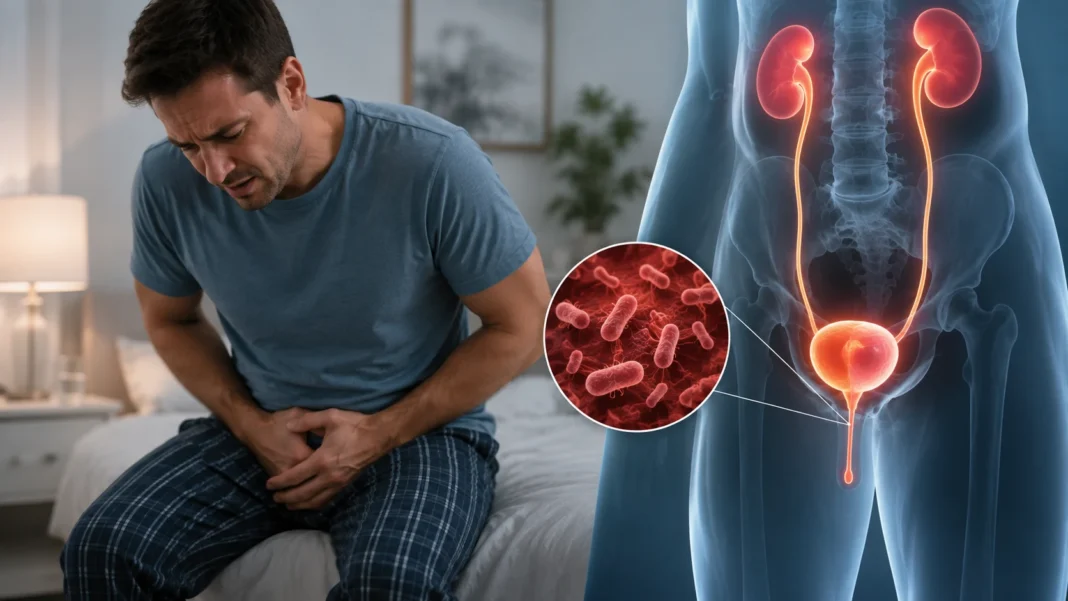
UTI Symptoms in Men: Signs, Causes & Treatment
A urinary tract infection, commonly called a UTI, occurs when microorganisms—usually bacteria—multiply somewhere within the urinary system. Although UTIs occur more frequently in women, men can develop infections involving the urethra, bladder, prostate, or kidneys. Common UTI symptoms in men include burning while urinating, frequent bathroom trips, a strong urge to urinate, lower abdominal discomfort, and cloudy or unusually strong-smelling urine. Blood may occasionally appear in the urine as well. Because urinary infections are less common in younger men, symptoms often deserve medical evaluation rather than being treated entirely at home. Identifying the infection early can reduce the chance of bacteria spreading or causing complications.
UTI symptoms in men can sometimes overlap with sexually transmitted infections, prostatitis, kidney stones, an enlarged prostate, or other urinary conditions. For example, burning during urination can occur with both a bladder infection and urethritis caused by an STI. Difficulty starting urine or feeling unable to completely empty the bladder may occur when prostate enlargement contributes to urinary retention. Fever, chills, nausea, or pain in the back or side may indicate that infection has reached the kidneys or prostate. The pattern of symptoms therefore matters as much as any individual complaint. Urine testing and, when appropriate, additional examinations can help determine the correct diagnosis.
Treatment usually depends on the location of infection, severity of symptoms, urine test results, underlying urinary problems, and whether prostate involvement is suspected. Bacterial UTIs are commonly treated with prescription antibiotics selected according to the likely or confirmed organism. Men may sometimes require a longer treatment course than people with a straightforward uncomplicated bladder infection because bacteria can occasionally involve prostate tissue. Drinking adequate fluids and urinating regularly may support recovery, but water alone cannot reliably eliminate an established bacterial infection. This guide explains male UTI symptoms, possible causes, diagnosis, treatment, prevention, and the warning signs that require faster medical attention.
Common UTI Symptoms in Men
Burning or pain during urination is one of the most recognizable symptoms of a UTI in men. The sensation, medically called dysuria, may feel like stinging, burning, irritation, or pressure as urine passes through the urethra. Some men notice discomfort only at the beginning or end of urination, while others feel burning throughout the entire process. The symptom occurs because infection and inflammation irritate the lining of the urinary tract. However, burning is not specific to bacterial UTIs. Sexually transmitted infections, urethral irritation, stones, and prostate inflammation can produce similar discomfort, which is why persistent dysuria should be evaluated rather than automatically treated as a bladder infection.
Frequent urination is another common sign. A man with a UTI may feel as though he needs to visit the bathroom repeatedly even when only a small amount of urine comes out. This occurs because inflammation can make the bladder feel full before it actually contains much urine. Some people wake several times during the night after previously sleeping without needing to urinate. Increased frequency can also occur with diabetes, excessive fluid intake, prostate enlargement, certain medications, and an overactive bladder. When frequency begins suddenly alongside burning or urgency, infection becomes more likely and deserves attention.
Urinary urgency refers to a sudden strong need to urinate that can feel difficult to postpone. A person may need to find a bathroom immediately even though the bladder is not particularly full. Urgency often occurs together with frequency and burning during a bladder infection. Occasionally, a few drops of urine may leak before reaching the bathroom because the urge becomes so intense. Persistent urgency can significantly disrupt work, sleep, travel, and normal activities. If the symptom develops suddenly and is accompanied by urinary discomfort, cloudy urine, or lower abdominal pain, a UTI is one possibility that should be considered.
Changes in urine appearance can provide additional clues. Urine may become cloudy because of white blood cells, bacteria, or other inflammatory material. Some men notice a stronger or different odor than usual. Blood can also appear, producing pink, red, or brownish urine in certain cases. Visible blood should not automatically be assumed to come from a UTI because kidney stones, prostate disease, bladder conditions, and other problems can also cause bleeding. Even when infection seems likely, visible blood that persists after treatment should be reassessed. Normal-looking urine does not rule out infection because many UTIs cause no obvious color change.
Lower abdominal or pelvic discomfort can occur when the bladder becomes inflamed. A man may feel pressure, aching, heaviness, or tenderness just above the pubic bone. The discomfort is often mild compared with the severe flank pain associated with kidney stones or kidney infection. Some men primarily notice discomfort when the bladder fills or immediately after urinating. Pelvic pain can also originate from the prostate, intestines, muscles, or reproductive organs, so location alone does not prove a bladder infection. When lower abdominal pressure appears together with urinary burning, frequency, or urgency, a urinary cause becomes more plausible.
Causes of UTIs in Men
Most bacterial urinary tract infections develop when bacteria enter the urinary opening and travel upward through the urethra. Bacteria that normally live around the digestive tract are common causes because they can reach the skin near the urinary opening and eventually enter the urinary tract. Normal urination helps flush microorganisms out before they multiply, but infection can develop when bacteria remain and reproduce. The male urethra is longer than the female urethra, which partly helps explain why bladder infections occur less frequently in men. When infection does occur, doctors often consider whether another factor is making bacterial growth or urinary retention more likely.
Incomplete bladder emptying is an important risk factor because urine that remains in the bladder provides more opportunity for bacteria to multiply. An enlarged prostate, medically called benign prostatic hyperplasia or BPH, can compress the urethra and make it difficult for urine to flow normally. Men may notice a weak stream, difficulty starting urination, dribbling, or the feeling that the bladder remains partly full. As prostate enlargement becomes more significant with age, the risk of recurrent urinary problems can increase. Treating repeated infections may therefore require addressing the underlying obstruction rather than prescribing antibiotics every time symptoms return.
Kidney stones and other urinary tract obstructions can also increase UTI risk. A stone may interfere with urine flow or create surfaces where bacteria can persist. Structural abnormalities affecting the bladder, ureters, or urethra can cause similar problems. Men who repeatedly develop urinary infections may therefore need imaging or urologic evaluation to determine whether normal drainage is being disrupted. A blockage combined with infection can become particularly serious because bacteria may spread while urine cannot drain properly. Fever, severe flank pain, vomiting, or difficulty urinating in this situation requires prompt medical assessment.
Urinary catheters are another major risk factor because they provide bacteria with a route into the urinary system. Catheters may be necessary after surgery, during hospitalization, or when someone cannot empty the bladder independently. The longer a catheter remains in place, the greater the opportunity for bacteria to colonize the urinary tract. Not every person with bacteria in the urine and a catheter requires antibiotic treatment, because symptoms and clinical circumstances matter. Proper catheter care and removing the catheter as soon as it is no longer medically necessary can reduce infection risk.
Certain health conditions can increase susceptibility as well. Diabetes may increase UTI risk, particularly when blood glucose is poorly controlled, because high sugar levels and immune changes can create a more favorable environment for infection. Conditions that weaken immune function may also make infections harder to control. Neurological disorders that interfere with bladder emptying can contribute to urine retention. Older age itself is not a direct cause, but age-related prostate enlargement, medication use, reduced mobility, and chronic disease can increase risk collectively. Understanding these contributing factors is especially important when UTIs repeatedly return.
UTI vs. STI Symptoms in Men
UTIs and sexually transmitted infections can produce overlapping symptoms, making self-diagnosis difficult. Both may cause burning during urination, urethral irritation, pelvic discomfort, or urinary frequency. Gonorrhea and chlamydia, for example, can cause urethritis, which is inflammation of the urethra rather than a typical bladder infection. A man may assume that burning automatically means a UTI and take leftover antibiotics, potentially delaying appropriate STI testing and treatment. Sexual history is therefore relevant during evaluation, particularly when symptoms begin after a new partner or unprotected sexual contact. Providing this information honestly helps clinicians choose the correct tests.
Urethral discharge makes certain sexually transmitted infections more likely, although not everyone with an STI develops visible discharge. It may appear clear, white, yellow, or green depending on the infection and degree of inflammation. Irritation around the tip of the penis can also occur. A typical bladder UTI is more strongly associated with urgency, frequency, lower abdominal discomfort, cloudy urine, and a positive urine culture for urinary bacteria. However, symptoms vary enough that these distinctions are not absolute. Testing is more reliable than trying to identify an infection by appearance alone.
Testicular pain or swelling is another symptom that deserves attention. Certain sexually transmitted infections can spread and cause epididymitis, leading to pain or tenderness in the structures behind the testicle. Severe or sudden testicular pain requires urgent evaluation because testicular torsion is another possible cause and can threaten the testicle if treatment is delayed. A simple bladder infection does not usually cause significant testicular swelling. Anyone experiencing urinary symptoms together with new testicular pain should therefore tell the clinician rather than assuming everything comes from the same minor UTI.
Sores, blisters, or genital rashes are not typical signs of an ordinary bacterial bladder infection. These symptoms may point toward herpes, syphilis, dermatitis, fungal infection, or another genital condition depending on appearance and history. Painful urination can occur when urine contacts external sores, which may create the impression that pain originates inside the urinary tract. A physical examination can sometimes clarify the source quickly. Self-treating genital lesions with random antibiotic or antifungal creams can make irritation worse and may delay diagnosis. Proper testing is more effective when symptoms do not fit a straightforward UTI pattern.
When both UTI and STI are possible, clinicians may order urine testing for bacteria alongside tests for sexually transmitted infections. These tests look for different organisms and should not be considered interchangeable. A standard urine culture may identify bacteria causing a bladder infection but will not automatically provide complete STI testing. Similarly, a negative STI test does not rule out an ordinary UTI. Treatment also differs depending on the organism. Men should complete the exact medication prescribed and follow recommendations regarding partner notification or abstaining from sexual activity when an STI is diagnosed.
Prostatitis and UTI Symptoms in Men
The prostate is a gland located below the bladder and surrounds part of the urethra. Because of this location, bacterial infections involving the urinary tract can sometimes affect prostate tissue. Acute bacterial prostatitis can cause urinary burning, frequency, urgency, pelvic discomfort, and difficulty urinating, making it look similar to a bladder infection. Fever, chills, body aches, and a general feeling of illness may be more prominent when the prostate becomes acutely infected. Pain may also occur between the scrotum and anus, in the lower back, or around the penis. These symptoms deserve prompt medical assessment.
Prostate involvement matters because antibiotics need to reach effective concentrations inside prostate tissue. Certain medications penetrate the prostate better than others, and treatment may need to continue longer than treatment for a straightforward lower urinary infection. This is one reason men should avoid using leftover antibiotics based solely on previous symptoms. An antibiotic that happened to improve one infection may be inappropriate for another. Incomplete treatment can allow bacteria to persist and symptoms to return. Urine cultures and clinical examination can guide a more appropriate treatment plan.
Difficulty urinating can become particularly concerning with acute prostatitis. Prostate swelling may compress the urethra and make the urine stream weak or make bladder emptying difficult. Some men develop urinary retention and become unable to pass urine despite feeling an increasingly painful urge. Complete inability to urinate is an urgent medical problem because pressure can build within the bladder and potentially affect the kidneys. Medical teams can relieve retention while treating the underlying infection. Waiting for the problem to resolve naturally can cause significant discomfort and complications.
Chronic bacterial prostatitis can present differently from an acute severe infection. Symptoms may be milder and recur over weeks or months. Men may experience intermittent burning, pelvic discomfort, repeated urinary infections, discomfort after ejaculation, or persistent urinary symptoms that temporarily improve with treatment. Because bacteria can remain within prostate tissue, recurrent infections with the same organism may provide an important clue. Chronic pelvic pain syndrome can produce similar symptoms without a clear bacterial infection, making diagnosis more complicated. A urologic evaluation may be useful when symptoms repeatedly return.
Not every case of urinary frequency or weak flow in an older man represents infection. Benign prostate enlargement can produce slow stream, hesitancy, nighttime urination, and incomplete emptying without bacteria being present. However, retained urine caused by enlargement can increase the risk of future infection. A man may therefore have both BPH and a UTI at the same time. Treating the infection can improve burning and urgency while leaving the baseline weak stream unchanged. Persistent obstructive symptoms after infection resolves may require separate prostate evaluation.
Kidney Infection Symptoms in Men
A bladder infection can sometimes spread upward through the ureters and reach one or both kidneys. This condition, called pyelonephritis, is more serious than a lower urinary infection and generally requires prompt treatment. Fever and chills are common warning signs, particularly when they occur with urinary burning or frequency. The person may feel significantly ill rather than experiencing only local bladder discomfort. Kidney infections can progress to bloodstream infection in severe cases. Anyone with urinary symptoms who develops high fever or shaking chills should seek medical care promptly.
Pain in the back, side, or flank is another characteristic symptom. The discomfort often occurs below the ribs toward one side of the back and can range from aching to severe pain. Kidney stones can produce similar pain, and a stone combined with infection can be especially dangerous if urinary drainage becomes obstructed. The location of pain helps clinicians decide what imaging or testing may be necessary. Mild lower back soreness after physical activity is different from flank pain occurring with fever, nausea, and urinary symptoms. The full pattern should guide concern.
Nausea and vomiting can accompany kidney infection and may make it difficult to maintain hydration or take oral medication. Significant vomiting can lead to dehydration, which places additional stress on the kidneys. People who cannot keep liquids or prescribed antibiotics down may require intravenous fluids and medication. Hospital treatment may also be considered when infection is severe, blood pressure becomes unstable, or other medical conditions increase risk. Early assessment can prevent deterioration. Kidney infection is not something that should be managed solely with cranberry juice or increased water intake.
Changes in urine can still occur when the kidneys are involved. Urine may appear cloudy, bloody, or unusually strong-smelling, and urinary frequency or burning may continue. However, some people with kidney infection have less dramatic lower urinary symptoms than expected. Fever and flank pain may dominate the picture. Older adults or people with weakened immune systems may occasionally have atypical symptoms. A person does not need to experience every textbook sign for kidney infection to be possible. Clinical evaluation and urine testing remain important.
Untreated kidney infection can occasionally lead to sepsis, a dangerous systemic response to infection. Warning signs can include confusion, rapid breathing, a very fast heart rate, low blood pressure, severe weakness, or difficulty staying awake. These symptoms require emergency care. People with diabetes, urinary obstruction, kidney disease, or weakened immunity may face higher complication risks. Prompt antibiotic treatment is highly effective in many cases, but delaying care can allow infection to become much more serious. Fever plus urinary symptoms should therefore never be casually ignored.
How UTIs in Men Are Diagnosed
Diagnosis usually begins with a discussion of symptoms and medical history. A clinician may ask how long burning, urgency, or frequency has been present and whether there is fever, flank pain, penile discharge, testicular pain, or difficulty emptying the bladder. Questions about previous UTIs, kidney stones, prostate problems, catheter use, diabetes, recent procedures, and sexual exposure can help narrow the possibilities. Medication history also matters because certain drugs can affect urinary flow. Accurate answers allow testing to be more targeted. There is no reason to feel embarrassed about urinary or sexual symptoms because these details directly influence diagnosis.
Urinalysis is commonly used to look for signs suggesting infection. A urine sample can be tested for white blood cells, blood, bacteria-related markers, and other abnormalities. These findings support the diagnosis but do not always reveal exactly which organism is responsible. Urine can also show blood caused by stones or other urinary conditions. Proper sample collection reduces contamination that could confuse results. Men are commonly asked to provide a clean-catch midstream specimen when possible. The test is quick and can provide useful information during the initial visit.
A urine culture can identify the bacteria causing the infection and determine which antibiotics are likely to work against it. Culture becomes especially valuable in men because urinary infections may involve underlying risk factors, recurrent organisms, or prostate involvement. Results generally require additional time compared with a rapid urinalysis. A clinician may begin treatment based on symptoms and initial findings, then adjust the antibiotic when culture results become available. This targeted approach helps improve effectiveness while reducing unnecessary exposure to drugs that may not work against the organism.
STI testing may be added when urethritis is possible. The clinician may use urine or another appropriate sample to test for organisms such as chlamydia and gonorrhea. Genital examination may be recommended when discharge, sores, testicular symptoms, or external irritation are present. This is important because antibiotics used for common urinary bacteria may not appropriately treat every sexually transmitted infection. Partner treatment or additional counseling may also be required when an STI is identified. Testing protects both the affected person and sexual partners.
Men with recurrent infections, blood in the urine, suspected stones, urinary retention, or unusual symptoms may require additional testing. Ultrasound, CT imaging, bladder evaluation, or tests measuring how much urine remains after urination can help identify obstruction or structural problems. A urologist may become involved when repeated infections suggest an enlarged prostate, stone, stricture, or another urinary abnormality. One uncomplicated episode may not require extensive imaging. Recurrent or severe infections, however, deserve investigation into why bacteria continue gaining an opportunity to grow.
UTI Treatment in Men
Bacterial urinary tract infections are usually treated with prescription antibiotics. The specific drug depends on the suspected infection site, local bacterial resistance patterns, allergies, kidney function, previous culture results, and current urine testing. Men should not assume that every UTI requires the same antibiotic. A medication appropriate for a lower bladder infection may not be the best choice when prostatitis or kidney infection is suspected. Clinicians may adjust treatment after the urine culture identifies the organism. Taking the medication exactly as prescribed improves the likelihood that the infection will clear.
Treatment duration can vary. Some lower urinary infections can be treated with relatively short courses, while prostate or kidney involvement may require longer therapy. The length also depends on how quickly symptoms improve, the organism involved, and whether the infection has occurred before. Stopping treatment early because burning disappears can allow remaining bacteria to survive. Those bacteria may cause recurrence and may become more difficult to treat. Patients should complete the prescribed course unless their healthcare professional specifically changes the plan because of side effects or culture results.
Hydration can support comfort and normal urinary flow during recovery. Water is generally the best choice for most people, although there is no need to force extreme amounts beyond normal hydration needs. People with heart failure, kidney disease, or physician-directed fluid restrictions should follow their individualized guidance. Urinating when the urge occurs rather than holding urine for long periods can also support bladder emptying. These measures complement antibiotics but do not replace them when a bacterial infection requires treatment. Home remedies should therefore be considered supportive rather than curative.
Pain or burning may take a short time to improve after antibiotics begin. A healthcare professional may recommend appropriate pain relief depending on medical history. Some urinary pain-relief medicines temporarily change urine color, which can be surprising but may be expected with specific products. These medicines reduce symptoms without killing bacteria and should never be mistaken for antibiotic treatment. Severe or worsening pain after treatment begins should be reported. Lack of improvement can indicate resistant bacteria, prostate involvement, kidney infection, stones, or an incorrect initial diagnosis.
Follow-up becomes particularly important when symptoms do not improve within the expected timeframe or return soon after treatment ends. Repeat urine testing may identify persistent bacteria or a new infection. Recurrent symptoms may prompt evaluation for prostate infection, urinary retention, stones, or structural problems. Men should also seek reassessment when visible blood continues after infection treatment. Successful antibiotic treatment should resolve the infection, but underlying urinary conditions can remain. Addressing those conditions can help prevent repeated episodes.
Home Care and What to Avoid
Drinking enough water to remain normally hydrated is one of the simplest supportive measures during a UTI. Regular fluid intake encourages urination, which helps empty the bladder and may reduce discomfort associated with concentrated urine. Some people mistakenly believe that drinking several liters quickly can “flush out” bacteria and eliminate the need for antibiotics. Excessive fluid intake can itself be harmful in certain situations and does not reliably cure an established infection. A steady, reasonable intake is more sensible. People with medical fluid restrictions should ask their healthcare professional what amount is appropriate.
Avoid repeatedly holding urine for long periods when you already feel the need to go. Regular emptying can reduce the amount of residual urine available for bacterial growth. Men with an enlarged prostate should take enough time to empty the bladder as completely as possible rather than rushing. If urination becomes increasingly difficult or only small dribbles appear despite a strong urge, seek medical evaluation. Complete urinary retention requires urgent care. Bladder habits can support urinary health, but they cannot correct a major obstruction.
Alcohol and large amounts of caffeine may worsen bladder irritation in some people, although they do not directly cause every UTI. Coffee, energy drinks, and alcohol can increase urinary frequency or make urgency feel more uncomfortable in sensitive individuals. Temporarily reducing these beverages may improve comfort while the urinary tract heals. Spicy foods and acidic drinks can also bother some people’s bladders, although responses vary. There is no universal UTI diet that everyone must follow. Choose foods and beverages based on tolerance while maintaining balanced nutrition.
Do not use leftover antibiotics from a previous illness. The drug may be inappropriate for the current organism, expired, or present in an insufficient quantity to complete treatment. Improper antibiotic use can contribute to resistance and make future infections harder to treat. Similarly, do not share antibiotics with another person whose symptoms appear identical. Burning urination may result from a completely different condition such as an STI or kidney stone. Testing and proper prescribing provide a safer approach than guessing.
Cranberry products are often promoted for urinary health, but they should not be relied on to treat an active infection in a man. Evidence regarding prevention varies by population and product, and cranberry does not replace antibiotics when bacterial infection has been diagnosed. Supplements can also interact with certain medications or contain substantial sugar depending on formulation. Anyone interested in cranberry for recurrent infection prevention should discuss it as one part of a broader strategy. Identifying prostate enlargement, stones, or urinary retention is more important when those factors are driving repeated infections.
Risk Factors for Recurrent UTIs in Men
Prostate enlargement becomes increasingly common with age and is one of the important contributors to recurrent UTIs in older men. When the prostate narrows the urinary passage, the bladder may not empty completely. Residual urine creates a favorable environment for bacterial growth and makes it easier for infection to return after treatment. A man may notice weak stream, hesitancy, straining, nighttime urination, or dribbling even between infections. Treating repeated UTIs without addressing significant obstruction may provide only temporary relief. Urologic treatment for BPH can sometimes reduce future urinary complications.
Kidney or bladder stones can similarly promote recurrent infections. Bacteria can persist around certain stones and become difficult to eliminate completely with antibiotics alone. Stones can also obstruct urinary flow, increasing pressure and infection risk. Recurrent UTIs accompanied by flank pain, blood in the urine, or a history of stones may therefore prompt imaging. Treatment might involve removing or otherwise managing the stone in addition to treating bacterial infection. The correct approach depends on stone location, size, urinary obstruction, and overall health.
Urethral strictures can prevent normal urine flow. A stricture is a narrowing of the urethra that may result from previous injury, inflammation, infection, or medical procedures. Men may experience a weak or spraying urine stream, straining, incomplete emptying, or recurrent infections. Antibiotics will treat bacteria but cannot permanently widen a narrowed urethra. A urologist can perform tests to identify the location and severity of narrowing. Procedures may be recommended when obstruction causes significant symptoms or complications.
Diabetes can increase recurrent infection risk through several mechanisms. High blood glucose may affect immune defenses and can increase glucose in the urine in certain circumstances, creating an environment where microorganisms can grow more easily. Diabetes can also damage nerves controlling the bladder, leading to incomplete emptying in some people. Good blood glucose management can support urinary health in addition to reducing many other complications. Repeated UTIs may therefore be a reason to review diabetes control with the healthcare team.
Repeated instrumentation of the urinary tract can also increase infection risk. Catheters, cystoscopy, prostate procedures, and other interventions may temporarily introduce bacteria or disrupt normal urinary defenses. Medical teams use sterile techniques and preventive strategies to reduce this risk, but it cannot always be eliminated completely. Patients should follow aftercare instructions and report fever, worsening pain, or new urinary symptoms after a procedure. A post-procedure infection can often be treated successfully when recognized early. Ignoring symptoms because they seem like normal irritation can delay care.
How Men Can Help Prevent UTIs
Adequate hydration supports regular urination and can help prevent urine from remaining concentrated for long periods. There is no universal amount of water that every man must drink because requirements depend on body size, activity, climate, diet, and health. A practical goal is usually to drink regularly enough that urine does not remain consistently very dark from dehydration. People with kidney or heart conditions should follow professional fluid guidance. Hydration is a supportive preventive habit rather than a guarantee that infection will never occur.
Healthy bathroom habits also matter. Urinate when you genuinely need to rather than routinely postponing bathroom trips for many hours. Take enough time to empty the bladder, especially if prostate enlargement makes the stream slower. Some men find that pausing briefly and trying again can help empty more completely, although persistent retention should be medically evaluated. Repeatedly straining hard to urinate is not normal. A weak stream, hesitancy, or chronic incomplete emptying deserves attention because treating the underlying obstruction may be more effective than relying solely on preventive habits.
Sexual hygiene can play a role for some men. Urinating after sexual activity may help clear microorganisms from the urethra, although it does not prevent every infection or STI. Condoms can reduce the risk of many sexually transmitted infections when used correctly. STI testing is appropriate when exposure risk exists because urethritis can resemble a UTI. Washing external genital skin normally is sufficient; aggressive antiseptic cleaning can irritate the urethral opening and skin. Good hygiene does not require harsh chemicals.
Managing chronic conditions can reduce risk indirectly. Keeping diabetes controlled, treating significant prostate enlargement, and addressing kidney stones or urinary retention can make the urinary environment less favorable for recurrent infection. Men who need long-term catheterization should follow catheter-care instructions carefully. Routine medical follow-up can identify urinary complications before repeated infections develop. Prevention becomes particularly important after more than one UTI, because recurrent episodes may signal a correctable underlying condition.
Avoid unnecessary antibiotic use as part of long-term prevention. Taking antibiotics whenever urine smells different or appears cloudy can expose bacteria to medication without confirming that infection is present. Some people can have bacteria in the urine without symptoms, and treatment decisions depend on individual circumstances. Antibiotic resistance makes future infections more challenging to treat. Medical evaluation, urine testing, and targeted treatment are therefore more sustainable than repeated self-treatment. Preventing UTIs means protecting urinary function as well as using antibiotics responsibly.
When UTI Symptoms Require Urgent Medical Care
Fever and shaking chills with urinary symptoms deserve prompt evaluation because they can indicate kidney infection or acute bacterial prostatitis. A simple bladder infection may cause discomfort without making someone severely ill, while upper urinary or prostate infection can produce more systemic symptoms. High fever, weakness, and rapidly worsening condition should not be managed for several days at home. Early antibiotics can prevent complications. People with diabetes, kidney disease, or weakened immune systems should be especially cautious when fever accompanies urinary symptoms.
Back or flank pain occurring with nausea, vomiting, or fever is another warning sign. This pattern may indicate pyelonephritis or an infected obstructing kidney stone. A urinary blockage combined with infection can become an emergency because bacteria and pressure build behind the obstruction. Severe one-sided pain, inability to keep fluids down, or marked illness requires rapid assessment. Imaging may be needed to determine whether a stone or another obstruction is present. Drinking extra water is not enough when infected urine cannot drain normally.
Complete inability to urinate requires urgent medical help. A man may feel increasing lower abdominal pain and pressure but be unable to produce more than a few drops. Prostate enlargement, severe prostate inflammation, medications, nerve problems, or other obstruction can cause acute urinary retention. The bladder may need to be drained with medical assistance. Waiting can cause severe pain and potentially affect kidney function. New retention should therefore never be considered a routine UTI symptom that can wait several days.
Confusion, fainting, rapid breathing, severe weakness, or difficulty staying awake can indicate sepsis or another serious illness. Infection entering the bloodstream can cause blood pressure to fall and vital organs to receive inadequate circulation. Older adults may sometimes develop confusion before other symptoms become obvious. Emergency medical attention is appropriate when someone with suspected infection appears severely unwell. Sepsis can progress rapidly, making early treatment critical. Urinary infections are common, but they should not be underestimated when systemic signs develop.
Visible blood in the urine should also be evaluated, particularly when bleeding is heavy, contains clots, or continues after the infection has been treated. UTIs can cause blood, but so can stones, prostate disease, urinary tract injury, and other conditions. Persistent hematuria should not repeatedly be blamed on infection without proper evaluation. Severe pain, clot retention, or inability to urinate because of blood requires urgent care. Even painless recurrent blood in urine deserves medical assessment. Identifying the cause protects against overlooking a separate urinary condition.
Conclusion
UTI symptoms in men commonly include burning during urination, frequent bathroom trips, urinary urgency, lower abdominal discomfort, cloudy urine, and occasionally blood in the urine. These symptoms develop when infection causes inflammation somewhere within the urinary tract. Men may also experience a weak stream or difficulty emptying the bladder when prostate enlargement contributes to the problem. Because male urinary symptoms can have several different causes, evaluation is often more useful than attempting to diagnose the infection from symptoms alone. A urine test can help confirm whether bacteria are present.
UTIs in men often develop when bacteria enter the urinary tract and are given an opportunity to multiply. Prostate enlargement, urinary retention, stones, catheters, diabetes, structural abnormalities, and certain medical procedures can increase risk. Recurrent infections deserve particular attention because they may indicate an underlying urinary problem that needs separate treatment. Eliminating bacteria with antibiotics may temporarily resolve symptoms without correcting poor bladder emptying or obstruction. Treating the cause can reduce the likelihood of repeated episodes.
Bacterial UTIs are generally treated with prescription antibiotics selected according to infection location, urine testing, allergies, and individual health. Men may sometimes need longer treatment when the prostate is involved. Completing medication as prescribed is important even when symptoms improve quickly. Adequate hydration, regular bladder emptying, and appropriate pain relief can support recovery, but home remedies cannot reliably replace antibiotics for an established bacterial infection. Leftover antibiotics should never be used as a substitute for proper diagnosis.
Symptoms such as fever, chills, flank pain, nausea, or vomiting raise concern about kidney infection or prostatitis. Complete inability to urinate, severe weakness, confusion, or rapidly worsening illness requires urgent care. Urinary symptoms can also result from STIs, kidney stones, prostate disease, and other conditions, making testing especially important when discharge, testicular pain, recurrent symptoms, or significant bleeding is present. Early evaluation can prevent a relatively manageable urinary problem from progressing into a more serious infection.
Men can lower UTI risk by staying appropriately hydrated, emptying the bladder regularly, managing diabetes, addressing prostate enlargement or stones, practicing safer sex, and following proper catheter care when necessary. Recurrent infections should not simply be accepted as part of aging. Many contributing urinary problems can be treated or managed successfully. If burning, urgency, frequency, or abnormal urine appears, contacting a healthcare professional can provide a clear diagnosis and appropriate treatment before complications develop.
Frequently Asked Questions
What are the first signs of a UTI in men?
Early symptoms often include burning during urination, increased urinary frequency, a sudden urge to urinate, and lower abdominal discomfort. Urine may also become cloudy, bloody, or unusually strong-smelling.
Can a UTI in a man go away without antibiotics?
Some urinary symptoms may resolve if they are caused by irritation rather than bacterial infection, but confirmed bacterial UTIs often require antibiotics. Men with UTI symptoms should generally seek medical evaluation because prostate involvement, obstruction, or other underlying conditions may be present.
Can a UTI cause prostate pain?
Yes. Bacteria can sometimes infect the prostate and cause bacterial prostatitis, producing pelvic or perineal pain, urinary burning, difficulty urinating, fever, or chills. Prostate infections may require a longer course of treatment than a straightforward bladder infection.
How can you tell the difference between a UTI and an STI?
Both can cause painful urination, but penile discharge, genital sores, testicular symptoms, or recent sexual exposure may make an STI more likely. Testing is the safest way to distinguish them because symptoms can overlap significantly.
When should a man go to the hospital for UTI symptoms?
Urgent care is appropriate for high fever, shaking chills, severe flank or back pain, repeated vomiting, confusion, inability to urinate, or rapidly worsening illness. These symptoms may indicate kidney infection, prostate infection, urinary obstruction, or sepsis.