


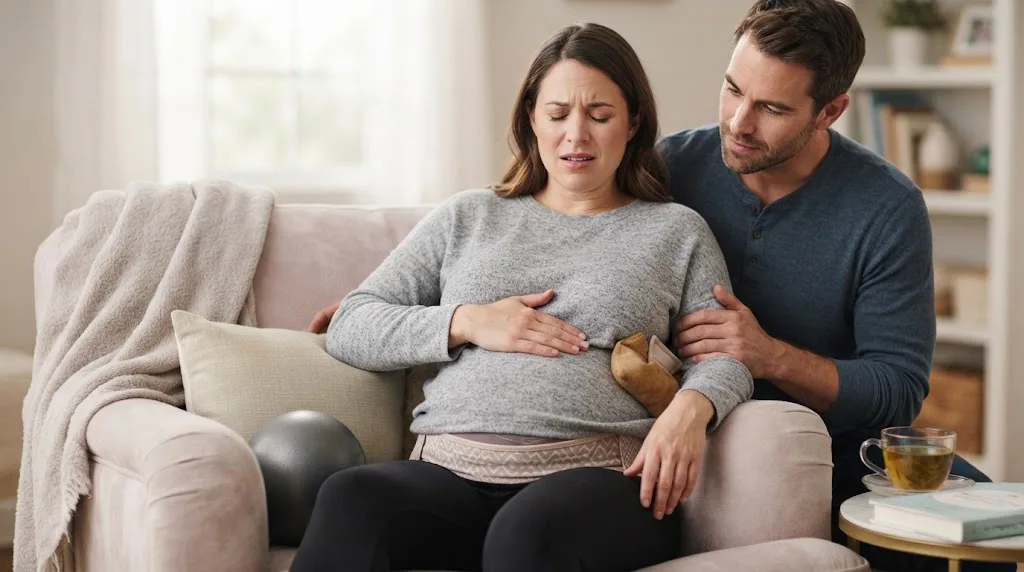
Rib pain during pregnancy is a common complaint, especially as the uterus grows and the body changes to make room for the developing baby. The discomfort may feel like pressure, aching, tenderness, burning, or a sharp sensation beneath the ribs. Some people notice it mainly on one side, while others feel soreness across the upper abdomen or rib cage.
In many cases, pregnancy rib pain is related to normal physical changes such as expanding tissues, altered posture, muscle strain, or pressure from the baby. Digestive symptoms like heartburn and bloating can also create discomfort around the upper abdomen. The exact cause can vary depending on the stage of pregnancy, pain location, and other symptoms occurring at the same time.
Although most rib discomfort is not dangerous, certain symptoms deserve prompt medical attention. Severe right-sided upper abdominal pain, breathing difficulty, chest pain, fever, heavy bleeding, or pain accompanied by headache or vision changes should not be ignored. Understanding common causes and warning signs can help you decide when simple comfort measures are reasonable and when professional assessment is needed.
Why Is Rib Pain Common During Pregnancy?
Pregnancy changes the shape, weight distribution, and movement of the entire torso. As the uterus enlarges, organs shift and the rib cage may feel increasingly crowded, particularly during the second and third trimesters. These changes can create pressure around the lower ribs and make certain sitting, sleeping, or bending positions less comfortable than they were before pregnancy.
Hormonal changes also affect ligaments and joints throughout the body. Increased flexibility is helpful for pregnancy and childbirth, but it can change how the chest, spine, pelvis, and surrounding muscles handle movement. Muscles may need to work differently to stabilize the body, sometimes contributing to soreness around the ribs, upper abdomen, shoulders, or back.
Not everyone experiences pregnancy rib pain in the same way. Some people notice mild aching only after sitting for long periods, while others experience sharper discomfort when coughing, twisting, or changing position. Pain may also come and go depending on fetal position, activity level, digestive symptoms, and how much pressure is being placed on the upper abdomen.
Growing Uterus and Baby Position Can Increase Rib Pressure
As pregnancy progresses, the uterus expands upward toward the rib cage. This reduces available space within the abdomen and can create a feeling of fullness or pressure underneath the lower ribs. The discomfort often becomes more noticeable later in pregnancy when the baby is larger and the uterus occupies considerably more space than during the first trimester.
Your baby’s position can also influence where rib discomfort develops. Feet, knees, or other body parts may press or push against the upper abdomen and lower ribs, producing localized soreness or sudden jabbing sensations. Some movements may feel surprisingly strong, particularly when the baby stretches or changes position close to the rib cage.
Changing your own position may sometimes reduce this pressure. Sitting more upright, gently leaning away from the painful side, or standing and walking briefly may encourage a more comfortable distribution of pressure. However, persistent or severe pain should not automatically be blamed on the baby’s position, especially when other unusual symptoms are present.
Posture Changes May Contribute to Rib and Back Discomfort
As the abdomen grows, your center of gravity shifts and your posture naturally adapts. The lower back may curve differently, the shoulders may move backward, and muscles around the torso can work harder to maintain balance. These adjustments can create tension throughout the upper and mid-back, which may sometimes be felt around the sides or front of the ribs.
Long periods of sitting can make discomfort more noticeable, particularly when you slump forward and compress the upper abdomen. A supportive chair, regular position changes, and avoiding prolonged leaning to one side may help reduce unnecessary pressure. Gentle walking can also give stiff muscles an opportunity to move after spending a long time in one posture.
Musculoskeletal pain often depends on how muscles connect to joints and coordinate movement. Different areas have different anatomical roles, whether discussing the intercostal muscles around the ribs or biceps anatomy in the upper arm. During pregnancy, understanding where discomfort begins can help separate ordinary muscle soreness from symptoms that deserve closer medical evaluation.
Muscle and Intercostal Strain Can Cause Rib Pain
The intercostal muscles sit between the ribs and help the chest expand and contract during breathing. Like other muscles, they can become sore or strained after coughing, unusual physical activity, repetitive movement, or changes in body mechanics. Pregnancy-related postural changes may add to this tension as the muscles around the torso adapt to a growing abdomen.
Muscular rib pain may feel tender when you press the area or become worse when twisting, reaching, coughing, sneezing, or taking a particularly deep breath. The discomfort may remain localized rather than spreading throughout the chest. However, pain with breathing can have other causes, so severe or unexplained symptoms should not be assumed to be a simple muscle strain.
Gentle movement and temporary activity modification may help when muscle irritation is the likely cause. Avoid aggressive stretching or exercises that clearly increase the pain. If discomfort follows an injury, becomes progressively worse, or makes normal breathing difficult, contact a healthcare professional rather than repeatedly attempting to stretch or massage the painful area.
Heartburn, Gas, and Bloating Can Mimic Rib Pain
Digestive symptoms are common during pregnancy and can sometimes feel like pain beneath or around the ribs. Hormonal changes may slow digestion, while the growing uterus can place pressure on the stomach and intestines. As a result, heartburn, trapped gas, bloating, and indigestion may produce burning, fullness, pressure, or discomfort in the upper abdomen.
Heartburn often causes a burning sensation behind the breastbone or higher in the abdomen, especially after eating or lying down. Large meals, certain foods, and eating shortly before bedtime may make symptoms more noticeable. Smaller meals and remaining upright after eating can sometimes improve comfort, although pregnancy-safe treatment options should be discussed with your healthcare provider.
Gas discomfort can move around the abdomen and may occasionally feel surprisingly sharp. Gentle walking and avoiding foods that consistently trigger excessive bloating may help some people. Persistent severe abdominal pain, repeated vomiting, fever, or symptoms that feel distinctly different from your usual indigestion should be assessed rather than treated as ordinary pregnancy-related digestive discomfort.
Why Right-Sided Rib Pain Deserves Extra Attention
Right-sided rib or upper abdominal pain can still come from ordinary causes such as muscle strain, baby position, or digestive pressure. However, significant pain beneath the right ribs can also occur with medical conditions that require assessment during pregnancy. The location alone cannot determine the cause, so additional symptoms and the severity of pain are important.
One concern later in pregnancy is preeclampsia, a condition associated with high blood pressure and other signs of organ involvement. Severe or persistent upper-right abdominal pain may occur along with headache, vision changes, sudden swelling, nausea, shortness of breath, or generally feeling unwell. These symptoms warrant prompt contact with your maternity care team or urgent medical evaluation.
Gallbladder problems can also cause upper-right abdominal pain, sometimes after eating, and may be accompanied by nausea or vomiting. Other abdominal conditions can produce similar discomfort as well. Because several possible causes overlap, new, severe, persistent, or unexplained right-sided rib pain should be discussed with a healthcare professional rather than diagnosed based only on location.
Safe Ways to Ease Mild Rib Pain During Pregnancy
Changing position is one of the simplest approaches for mild mechanical rib discomfort. If sitting makes the pain worse, stand and walk for a few minutes or adjust your posture so the upper abdomen has more room. Avoid staying curled forward for long periods, especially when your ribs already feel compressed by the growing uterus.
A warm, rather than excessively hot, compress may feel soothing over tight muscles for some people. Gentle shoulder, chest, and upper-back movement may also help when stiffness contributes to symptoms. Stretch only within a comfortable range and stop immediately if a movement causes sharp pain, dizziness, contractions, breathing difficulty, or increasing abdominal discomfort.
Medication during pregnancy should be approached carefully because not every common pain reliever is appropriate at every stage. Do not start or regularly use medication simply because it is available without a prescription. Ask your obstetrician, midwife, pharmacist, or other qualified healthcare professional which pain-relief options are considered appropriate for your specific pregnancy and medical history.
Sleeping With Rib Pain During Pregnancy
Finding a comfortable sleeping position can become more difficult as pregnancy progresses. Side sleeping with pillows supporting the abdomen, back, or between the knees may reduce pulling through the torso. If one side of the ribs feels particularly sore, experimenting with pillow placement can sometimes reduce direct pressure without requiring you to stay completely still.
A pregnancy pillow or several ordinary pillows can help support different areas of the body. Supporting the growing abdomen may decrease the sensation that your torso is twisting forward while you sleep. An additional pillow behind your back may also provide stability and make it easier to maintain a comfortable side-lying position through the night.
If heartburn contributes to discomfort near the ribs, lying completely flat soon after eating may make symptoms worse. Giving yourself time between dinner and bedtime and slightly elevating the upper body may help some people. Persistent nighttime pain that remains severe regardless of position should be discussed with your maternity care provider rather than managed only with pillows.
When Should You Contact a Doctor About Rib Pain?
Contact your healthcare provider when rib pain is persistent, becoming stronger, or interfering significantly with sleep and daily activity. Pain after a fall, collision, or direct injury should also be evaluated. Even when the cause eventually proves minor, your provider can assess whether the symptoms fit normal pregnancy changes or require further testing.
Seek prompt medical advice for severe upper-right abdominal pain, especially when accompanied by headache, vision changes, sudden swelling, vomiting, or feeling unusually unwell. These symptoms can require blood pressure checks and other evaluation. Significant abdominal pain with vaginal bleeding, regular contractions, fluid leakage, or decreased fetal movement also deserves immediate maternity guidance.
Emergency care may be necessary when rib or chest pain occurs with severe breathing difficulty, fainting, coughing up blood, sudden intense chest pressure, or other rapidly worsening symptoms. Pregnancy increases the importance of evaluating certain chest and breathing complaints promptly. When symptoms feel severe or dramatically different from your usual pregnancy discomfort, it is safer to seek medical assessment.
Tips for Preventing Rib Discomfort as Pregnancy Progresses
You may not be able to prevent every episode of rib pain because some discomfort results naturally from the growing uterus and changing body shape. However, regular gentle movement can help reduce stiffness associated with remaining in one posture. Walking, changing positions frequently, and performing pregnancy-appropriate mobility exercises may support more comfortable movement throughout the day.
Pay attention to your workstation, seating position, and daily habits. A chair that supports your back can make it easier to avoid collapsing forward through the chest and abdomen. When sitting for extended periods, take regular movement breaks and avoid consistently leaning toward the same side, which may increase muscular tension around the ribs and upper back.
Comfortable clothing can also make a difference when the rib cage and abdomen feel sensitive. Bras or waistbands that feel overly tight may increase pressure around already sore areas. Most importantly, respond to new symptoms rather than automatically accepting every pain as part of pregnancy, particularly when discomfort becomes severe, persistent, or accompanied by other warning signs.
Conclusion
Rib pain during pregnancy is often related to the growing uterus, baby position, altered posture, muscle tension, or digestive pressure. Mild discomfort commonly becomes more noticeable later in pregnancy as space around the upper abdomen decreases. Position changes, supportive pillows, gentle movement, and other simple comfort measures may help when symptoms are clearly mild and mechanical.
Certain types of pain require greater caution, particularly persistent or severe discomfort beneath the right ribs. Headache, vision changes, sudden swelling, significant nausea, breathing difficulty, bleeding, contractions, or reduced fetal movement should not be dismissed as ordinary rib soreness. Your maternity care team can determine whether further assessment is necessary based on your symptoms and stage of pregnancy.
Every pregnancy is different, so use your own symptom pattern as an important guide. Mild pressure that changes with position is different from sudden, intense, or progressively worsening pain. When you are uncertain about a new symptom, contacting your obstetrician, midwife, or maternity unit is appropriate and can help ensure both you and your baby receive suitable care.
FAQs
Is rib pain normal during pregnancy?
Mild rib discomfort can be common, especially later in pregnancy as the uterus expands and the baby grows. Severe, persistent, or unusual pain should still be discussed with your healthcare provider.
Why does my baby make my ribs hurt?
As the baby grows, feet, knees, or other body parts can press against the lower ribs. Changes in fetal position may therefore cause temporary pressure, soreness, or sudden jabbing sensations.
How can I relieve rib pain while pregnant?
Try changing position, sitting upright, using supportive pillows, walking gently, or applying comfortable warmth to tight muscles. Avoid aggressive stretching, and ask your provider before using medication for pregnancy-related pain.
When is right rib pain in pregnancy concerning?
Severe or persistent right-sided upper abdominal pain deserves prompt assessment, particularly with headache, vision changes, sudden swelling, nausea, or feeling unwell because these symptoms can sometimes accompany pregnancy complications.
Can pregnancy rib pain make breathing uncomfortable?
Mechanical pressure and muscle soreness can sometimes make deep breaths feel uncomfortable. However, significant shortness of breath, severe chest pain, fainting, or rapidly worsening breathing difficulty requires urgent medical evaluation.