


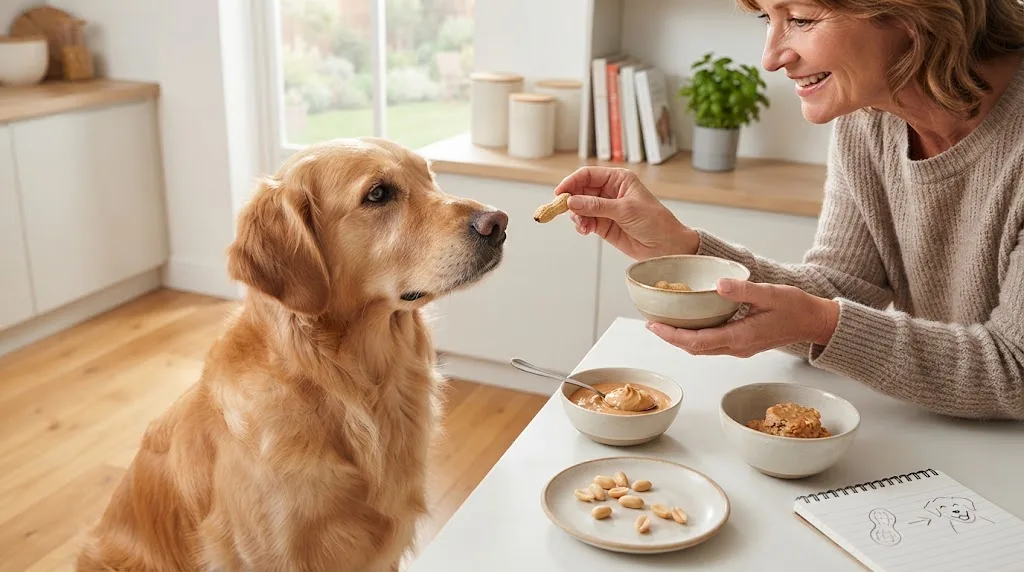
Are Peanuts Bad for Dogs? Safety, Risks & Serving Tips
Peanuts are not inherently toxic to dogs, and many healthy dogs can eat small amounts of plain, unsalted peanuts as an occasional treat. The bigger concerns come from how peanuts are prepared, how much a dog eats, and whether other ingredients are present. Salted peanuts, heavily flavored varieties, chocolate-covered peanuts, and products containing harmful sweeteners can create unnecessary health risks. Peanuts are also relatively high in fat and calories, so feeding large quantities can upset a dog’s stomach and may be especially unsuitable for dogs with certain digestive or weight-related concerns. Understanding these differences is important before sharing peanuts from your own snack bowl.
Peanut butter is another common source of confusion because many dogs enjoy it and it is frequently used for treats, enrichment toys, or hiding medication. Plain peanut butter can be suitable in small amounts, but owners should always check the ingredient list because some products may contain xylitol, a sweetener that is highly dangerous to dogs. Peanut shells can also create choking or digestive problems and should not be offered. This guide explains whether peanuts are safe for dogs, which types to avoid, how much is reasonable, possible allergy and pancreatitis concerns, peanut-butter safety, and what to do if your dog eats something potentially harmful.
Can Dogs Eat Peanuts Safely?
Most healthy adult dogs can eat a few plain peanuts occasionally without experiencing problems. Peanuts contain protein, fat, and several nutrients, but dogs do not need peanuts as part of a balanced diet. Commercial dog food formulated appropriately for the dog’s life stage should already provide the nutrition required for daily health. Peanuts should therefore be treated as an optional snack rather than a nutritional necessity. If you choose to offer them, plain, dry-roasted or raw unsalted peanuts without shells are generally the simplest option. The amount should remain small because even safe human foods can cause digestive problems when dogs eat more than their bodies can comfortably handle.
The fact that peanuts are generally safe does not mean every peanut product is appropriate for dogs. Human snack foods frequently contain large amounts of salt, spices, sweeteners, oils, coatings, or flavorings that were never intended for canine diets. A dog eating one dropped salted peanut is unlikely to face the same situation as a dog consuming an entire container. Risk depends on ingredients, quantity, the dog’s body size, and existing health conditions. Owners should therefore evaluate the complete food rather than focusing only on the fact that peanuts themselves are not toxic.
Dogs also vary in how well they tolerate fatty foods. One dog may eat a peanut occasionally without any visible reaction, while another develops vomiting or diarrhea after a relatively small amount. Dogs with sensitive stomachs, previous pancreatitis, obesity, or diets requiring fat restriction may need to avoid peanuts entirely. A veterinarian who knows the dog’s health history can provide more individualized guidance when these conditions are present. New foods are generally safest when introduced in a very small quantity so owners can observe how the dog responds.
Peanuts should never replace nutritionally balanced dog treats or regular meals. Because they are calorie dense, it is easy to feed more calories than expected while giving what looks like a small handful. Regular extra calories can contribute to gradual weight gain, particularly in small dogs whose daily calorie requirements are much lower than those of humans. Treats from all sources should make up only a relatively small portion of the dog’s overall diet. A few peanuts can fit into that allowance, but repeated handfuls can quickly become excessive.
The safest general rule is therefore simple: plain, unsalted, shelled peanuts in small amounts can be an occasional treat for many healthy dogs. Avoid assuming that because a dog enjoys peanuts, unlimited quantities are harmless. Dogs often enthusiastically eat foods that are not appropriate for them. Owners remain responsible for controlling portions and checking ingredients. When there is any uncertainty about a flavored peanut product, peanut butter, or a dog with medical conditions, choosing a normal dog treat is usually the easier and safer option.
Why Too Many Peanuts Can Be Bad for Dogs
Peanuts contain a substantial amount of fat, which is one of the main reasons owners should limit portions. Fat itself is an important nutrient for dogs when included in appropriate amounts within a balanced diet. The problem occurs when large quantities of high-fat treats are added on top of the regular diet. Excessive dietary fat can produce stomach upset, including vomiting, diarrhea, reduced appetite, and abdominal discomfort. Some dogs tolerate dietary changes poorly, making even smaller indulgences problematic. Keeping portions modest reduces the chance that a simple treat becomes an unpleasant digestive episode.
High-fat foods are also relevant because pancreatitis can occur in dogs. Pancreatitis is inflammation of the pancreas and can range from relatively mild illness to a serious condition requiring veterinary treatment. Dietary indiscretion and fatty foods are among the concerns commonly discussed when dogs develop episodes, although the cause is not always simple or identifiable. A dog with previous pancreatitis may be placed on a carefully controlled lower-fat diet. In that situation, peanuts and peanut butter may be inappropriate even in quantities that another dog could tolerate.
Calories provide another reason to be conservative. Peanuts are energy dense because of their fat content, so a seemingly tiny snack can contain more calories than owners expect. A few additional calories may not matter to a large, highly active dog, but the same amount represents a greater percentage of the daily intake for a small dog. Repeated treats can gradually contribute to obesity. Excess body weight can make mobility, joint, respiratory, metabolic, and other health problems more difficult to manage.
Gastrointestinal discomfort can also occur simply because the dog is unfamiliar with peanuts. Sudden dietary changes affect some dogs more than others. Signs may include loose stool, gas, nausea, vomiting, or temporary loss of appetite. If a dog has never eaten peanuts, offering a tiny piece first is more sensible than immediately giving several. Owners can then watch for problems over the following hours. A food does not need to be toxic to cause an upset stomach.
Quantity matters just as much as the ingredient itself. One or two plain peanuts and a large bowl of peanuts create very different situations. If a dog steals a significant quantity, particularly if the nuts were salted, flavored, coated, or mixed with other ingredients, contacting a veterinarian may be appropriate. The dog’s weight, amount eaten, product ingredients, and symptoms will determine the level of concern. Keeping snacks stored securely prevents accidental overeating and removes the need to estimate how much disappeared from an unattended container.
Plain, Salted and Flavored Peanuts: What Is Safe?
Plain peanuts are the best choice if an owner decides to give peanuts to a dog. They should ideally be unsalted and free from coatings, seasoning, sugar, chocolate, or other added ingredients. Shelled peanuts are easier and safer because the dog does not need to chew through the fibrous outer shell. Dry-roasted peanuts can be acceptable when nothing problematic has been added. Always check packaging rather than assuming a roasted product is plain, because seasoning blends can contain several ingredients that are not obvious from the appearance of the peanut.
Salted peanuts are less suitable because dogs do not benefit from the added sodium. Eating one or two accidentally is unlikely to create a major issue for most healthy dogs, but regularly sharing salty snacks is unnecessary. Large amounts of salt can become dangerous, especially when a dog consumes a concentrated salty food unexpectedly. Excessive sodium exposure can lead to increased thirst and more serious symptoms depending on the amount consumed. Owners should therefore keep heavily salted nuts and snack mixes out of reach.
Flavored peanuts require even greater caution because seasoning formulas vary widely. Barbecue, chili, garlic, onion, honey-roasted, spicy, and other flavored products can contain ingredients that are inappropriate for dogs. Garlic and onion-related ingredients are especially important to avoid because members of the allium family can be harmful to dogs. Spicy seasonings can also irritate the digestive system even when they are not directly toxic. Because reading every seasoning blend can be complicated, the safest approach is simply not to feed flavored peanuts.
Chocolate-covered peanuts should never be treated as a dog snack. Chocolate can be toxic to dogs because of compounds that dogs metabolize differently from humans. Risk depends on the type and amount of chocolate, the dog’s body size, and how much was eaten. Darker chocolate generally creates greater concern because it can contain higher concentrations of the relevant compounds. If a dog eats chocolate-covered peanuts, owners should contact a veterinarian or animal poison service promptly rather than waiting to see whether symptoms develop.
Snack mixes can create hidden dangers because peanuts may be combined with raisins, chocolate pieces, macadamia nuts, highly salted ingredients, or other foods that should not be given to dogs. A dog stealing trail mix is therefore very different from eating a few plain peanuts. Owners should keep the packaging if an accidental ingestion occurs because the ingredient list can help a veterinary professional assess risk. When feeding peanuts intentionally, choosing a single-ingredient product eliminates most of these avoidable concerns.
Is Peanut Butter Safe for Dogs?
Peanut butter can be safe for many dogs when it contains simple dog-friendly ingredients and is offered in small portions. Owners often use it inside enrichment toys, on licking mats, or as a way to hide medication. Its strong smell and taste make it appealing to many dogs. However, peanut butter is calorie dense and usually higher in fat than owners realize, so it should not become a major part of the diet. A thin smear can provide plenty of flavor without adding an unnecessarily large amount.
The most important peanut-butter safety rule is to check carefully for xylitol. Xylitol is a sugar substitute that may appear in certain sugar-free or specialty products and is highly toxic to dogs. Even relatively small amounts can cause a dangerous drop in blood sugar, and larger exposures can lead to severe complications including liver injury. Owners should never assume a peanut butter is safe based only on the front label. Reading the ingredient list before offering it to a dog is essential.
Other ingredients deserve attention as well. Peanut butter with large amounts of added salt, sugar, chocolate, or unusual sweeteners is not a good choice for routine dog treats. The simplest product generally has peanuts as the main ingredient with few unnecessary additions. Some natural peanut butters separate into oil and solids, which is normal and can be resolved by stirring. Even when the ingredient list is safe, portion size remains important because natural peanut butter is still high in calories and fat.
Dogs with pancreatitis, obesity, digestive disease, or diets prescribed for medical reasons may need to avoid peanut butter. Owners sometimes assume that because veterinarians or trainers occasionally use peanut butter, it must be appropriate for every dog. Medical diets can be carefully formulated around specific fat, protein, mineral, or calorie targets. Adding high-calorie treats can interfere with those goals. If the dog is receiving a therapeutic diet, asking the veterinarian before introducing peanut butter is sensible.
Peanut butter can be a useful enrichment tool when used appropriately. Freezing a small amount inside a food toy can make the treat last longer and encourage licking or problem solving. Owners should still account for those calories within the dog’s total daily intake. Alternatives such as portions of the dog’s regular wet food can sometimes provide enrichment with better dietary control. The key is understanding that peanut butter is an optional high-value treat, not something dogs need for health.
Are Peanut Shells Dangerous for Dogs?
Peanut shells are not considered a suitable food for dogs and should be removed before peanuts are offered. The shells are fibrous, difficult to digest, and provide no meaningful nutritional advantage. A small piece swallowed accidentally may pass without causing problems in many dogs, but intentionally allowing dogs to eat shells creates unnecessary risk. The safest approach is to give only shelled peanuts and keep bowls of whole peanuts where pets cannot reach them. This is especially important for dogs that tend to swallow food quickly without chewing.
Choking is one concern because shells and whole nuts can become difficult for certain dogs to manage. Small dogs, puppies, and dogs that gulp food may be at greater risk. Even shelled peanuts should be offered carefully to dogs that do not chew treats well. Breaking a peanut into smaller pieces can reduce the size of the item being swallowed. Owners should also avoid tossing large quantities onto the floor where an excited dog might rapidly gulp several at once.
Digestive obstruction is another possible concern when dogs consume substantial amounts of indigestible material. Peanut shells are not likely to dissolve easily within the digestive tract, and large accumulations could create difficulties, particularly in smaller dogs. Signs of an intestinal obstruction can include repeated vomiting, abdominal discomfort, lack of appetite, lethargy, or difficulty passing stool. An obstruction can become a veterinary emergency. Owners should therefore seek veterinary guidance if they know a dog swallowed a large amount of shells or develops concerning symptoms afterward.
Shells can also carry salt or seasoning when they come from flavored whole-peanut products. A dog chewing through several salted shells may ingest significantly more sodium and seasoning than an owner expects. This creates additional concerns beyond the shell material itself. Whole flavored peanuts should therefore be stored securely and not used as interactive chew items. Dogs do not understand that the shell is packaging rather than food, so access should be controlled proactively.
If a dog accidentally eats one peanut shell and remains completely normal, panic is generally unnecessary. Monitor for vomiting, abdominal discomfort, trouble swallowing, lack of appetite, or changes in bowel movements. Larger quantities, very small dogs, or the appearance of symptoms justify contacting a veterinarian. Preventing access remains easier than trying to predict whether a particular amount of shell will cause trouble. Shelled peanuts eliminate this concern almost entirely.
Can Dogs Be Allergic to Peanuts?
Dogs can develop food allergies or sensitivities, although peanut allergy is not considered one of the most common food-related problems encountered in dogs. An individual dog can still react negatively to almost any dietary ingredient. Allergic reactions involve the immune system, while food intolerance can produce digestive symptoms through different mechanisms. Owners do not need to avoid peanuts automatically because allergies are possible, but they should observe a dog carefully after introducing any new food. A very small initial portion makes unexpected reactions easier to manage.
Possible signs of a food reaction can include itching, skin irritation, ear problems, digestive upset, facial swelling, hives, or other changes depending on the dog and severity. Gastrointestinal signs such as vomiting or diarrhea do not automatically prove an allergy because high-fat foods can cause digestive upset without involving the immune system. Repeated patterns after exposure are more meaningful than one isolated symptom. A veterinarian may need to evaluate persistent skin or digestive issues rather than owners attempting to diagnose a food allergy themselves.
Severe allergic reactions are uncommon but require urgent attention. Difficulty breathing, collapse, rapidly developing facial swelling, pale gums, or severe weakness should be treated as emergencies. Owners should seek immediate veterinary care rather than trying home remedies. Reactions can develop quickly, which is another reason new foods should be introduced while someone is available to observe the dog. Fortunately, most dogs that tolerate plain peanuts do not experience this type of response.
Food allergy diagnosis in dogs can be complicated because blood or consumer testing does not always provide a simple definitive answer. Veterinarians may use carefully controlled elimination diets when a true food allergy is suspected. During these trials, extra treats can interfere with interpretation because even small exposures to excluded ingredients may matter. Owners whose dogs are undergoing an elimination diet should therefore avoid peanuts or peanut butter unless their veterinarian specifically approves them.
If a dog has eaten peanuts several times without problems, a severe new reaction is less likely but not impossible. Sensitivities can develop over time, and other ingredients in a peanut product may be responsible for the symptoms. Keeping packaging can help identify whether a new seasoning or sweetener was involved. When reactions occur, think about the complete product rather than assuming the peanut itself must be the cause. Plain single-ingredient foods are easier to assess than complex snack mixtures.
How Many Peanuts Can a Dog Eat?
There is no perfect peanut serving size that applies to every dog because dogs vary dramatically in body weight, daily calorie needs, activity, health, and diet. The safest principle is to keep portions very small and occasional. A tiny dog may need only a fraction of what a large dog could reasonably tolerate. Owners should think of peanuts as treats rather than by the handful. A few pieces provide plenty of flavor without adding a large quantity of fat and calories.
A practical starting point for a healthy dog is one or a few plain peanuts depending on body size rather than a human-sized portion. Small dogs may receive only one peanut broken into pieces, while larger dogs may tolerate several occasionally. This is not a required daily allowance and should not become routine simply because the dog enjoys them. If other treats are already being given, peanuts add to the total treat calories for that day. Small portions also make it easier to stop if digestive upset appears.
Treats in general should represent only a modest portion of a dog’s total daily calories. The majority of nutrition should come from a complete and balanced diet appropriate for the dog’s age and health. This approach helps prevent treats from displacing essential nutrients. Because peanuts contain many calories in a small volume, they can consume a meaningful part of the treat allowance quickly. Owners managing a dog’s weight should be particularly careful.
Puppies require extra caution because they are smaller, have developing digestive systems, and need a nutritionally balanced growth diet. Treats can be useful during training, but tiny pieces of normal puppy treats or portions of regular kibble are often easier to control. Whole peanuts may also present a greater choking concern for very small puppies. There is usually no reason to introduce peanuts specifically during puppyhood. If offered at all, the amount should be extremely small and the puppy should be supervised closely.
Dogs with medical conditions need individualized guidance. A veterinarian may recommend avoiding high-fat treats for dogs with pancreatitis or certain digestive disorders, while calorie restriction matters for obesity. Kidney, heart, or other conditions can also involve dietary restrictions where salted human foods are inappropriate. Medical history matters more than generic serving suggestions. When a dog has been prescribed a specific diet, owners should assume treats need approval rather than adding peanuts automatically.
What to Do If Your Dog Eats Too Many Peanuts
If a dog eats a large amount of peanuts, first determine exactly what type of product was consumed. Plain unsalted peanuts create a different concern from chocolate-covered nuts, heavily salted snack mixes, or products containing xylitol. Find the package and check the ingredient list immediately. Estimate how much is missing and note the dog’s approximate weight. This information will help a veterinarian determine whether monitoring at home is reasonable or whether immediate treatment is necessary. Do not rely only on whether the dog looks normal in the first few minutes.
Xylitol exposure requires particularly urgent action. If the peanut product or peanut butter contains xylitol, contact a veterinarian or animal poison service immediately. Do not wait for symptoms because serious effects can develop quickly. Signs may include weakness, vomiting, loss of coordination, collapse, or seizures as blood sugar drops. Prompt veterinary care can make a major difference. Owners should never induce vomiting unless a veterinary professional specifically instructs them to do so because the safest response depends on the situation.
Chocolate exposure also warrants prompt professional advice. The veterinarian will consider the type of chocolate, amount eaten, time since ingestion, and dog’s body weight. Possible signs of chocolate toxicity can include vomiting, restlessness, rapid heart rate, tremors, and seizures in severe cases. Darker chocolate can be more concerning than some lighter varieties because concentration varies. Keeping the original packaging makes the risk assessment much easier.
After a large quantity of plain peanuts, the most likely immediate issue may be gastrointestinal upset because of the fat load. Watch for repeated vomiting, diarrhea, abdominal pain, lethargy, hunched posture, or refusal to eat. Persistent vomiting or significant abdominal discomfort deserves veterinary evaluation because pancreatitis or another digestive problem may be possible. A dog that ate shells should also be monitored for signs suggesting obstruction. Symptoms can develop later rather than immediately.
When uncertain, contacting a veterinary professional is always preferable to guessing. The amount that is concerning for a small dog may be quite different for a large dog, and product ingredients can change the risk completely. Never attempt to calculate toxicity from random social-media comments when the product contains potentially dangerous ingredients. Veterinary teams can use the dog’s weight and known ingredients to provide much more specific advice. Keeping hazardous snacks securely stored remains the best prevention.
Safe Ways to Give Peanuts to Dogs
If you choose to give peanuts, start with a plain, unsalted, shelled product containing no additional flavorings. Check the label even when the front of the package appears simple because added salt or oils may still be present. Break the peanut into smaller pieces for smaller dogs or animals that tend to swallow treats rapidly. Introduce only a small amount the first time. Supervise the dog while eating so choking or unexpected reactions can be recognized promptly.
Peanuts can be used as occasional training rewards, but their calorie density makes tiny pieces more sensible than whole nuts for repeated practice. Training sessions may involve dozens of rewards, which can add significant calories quickly if every reward is rich. A small peanut broken into several pieces can provide multiple reinforcements without requiring several whole nuts. Regular kibble or lower-calorie training treats may still be more practical for extended sessions. The reward only needs to be valuable enough to motivate the dog.
Peanut butter can be spread thinly inside an enrichment toy when the ingredients are safe. A small amount can encourage licking and occupy a dog during grooming, nail care, or quiet time. Freezing the filled toy can make the activity last longer, meaning less peanut butter may be needed overall. Owners should supervise dogs that chew or damage toys aggressively. Enrichment should be safe physically as well as nutritionally.
Avoid combining peanuts with other rich human foods simply because each ingredient appears acceptable individually. A dog-friendly snack can become high in calories quickly when peanut butter is mixed with cheese, biscuits, or other treats. Dogs do not need elaborate desserts. Simpler treats make it easier to manage diet and identify the cause if digestive upset occurs. Owners can provide variety through safe fruits, vegetables, or commercial treats appropriate for their particular dog rather than constantly increasing richness.
The best serving strategy is moderation. Peanuts should remain something the dog receives occasionally rather than something expected every day. Using treats unpredictably can even help maintain their value during training. If the dog already receives several types of snacks, there is no nutritional need to add peanuts. The fact that peanuts can be safe does not make them essential. Choosing whichever treats best support the dog’s overall nutrition, weight, and medical needs is more important than offering every human food that dogs can technically eat.
Conclusion
Peanuts themselves are generally not toxic to dogs, and many healthy dogs can safely enjoy a few plain, unsalted, shelled peanuts occasionally. Problems are more likely to arise from excessive quantities, high fat content, peanut shells, salt, seasonings, chocolate, or dangerous sweeteners in related products. This means owners should evaluate the entire snack rather than simply asking whether peanuts are safe. Plain and simple is always the better choice when sharing human foods with pets.
Portion control matters because peanuts contain substantial fat and calories. Eating too many can lead to vomiting, diarrhea, and other digestive problems, while high-fat foods can be inappropriate for dogs with pancreatitis or similar medical concerns. Frequent calorie-dense treats can also contribute to weight gain. A few small pieces occasionally are very different from allowing a dog to eat a bowl of peanuts. Dogs do not receive any nutritional benefit that requires peanuts to be part of their routine.
Peanut butter can also be safe, but the ingredient list must be checked every time. Products containing xylitol should never be given to dogs because the sweetener can cause life-threatening poisoning. Added chocolate, excessive salt, and other unnecessary ingredients should also be avoided. A small amount of simple peanut butter can be useful for enrichment or administering medication when appropriate, but it should still be counted as a high-calorie treat.
Peanut shells should not be fed because they are difficult to digest and can create choking or gastrointestinal concerns. Dogs can also experience allergies or intolerances, although peanut allergy is not among the most common canine food allergies. New foods should therefore be introduced gradually. Facial swelling, difficulty breathing, collapse, repeated vomiting, or severe weakness require prompt veterinary attention. Persistent digestive symptoms also deserve evaluation rather than repeated experimentation with the same food.
Ultimately, the answer to “Are peanuts bad for dogs?” is that plain peanuts can be acceptable in moderation, but many peanut-based human snacks are poor choices. Give only small amounts of unsalted, unflavored, shelled peanuts to healthy dogs that tolerate them, and avoid high-risk ingredients completely. If the dog has pancreatitis, obesity, digestive disease, or another condition requiring dietary control, ask a veterinarian before sharing peanuts. Safe treats should complement a balanced dog diet rather than compete with it.
Frequently Asked Questions About Peanuts and Dogs
Can dogs eat plain peanuts?
Yes, many healthy dogs can eat a few plain, unsalted, shelled peanuts occasionally. Keep portions small because peanuts are high in fat and calories and can cause digestive upset when eaten in large quantities.
Can dogs eat salted peanuts?
Salted peanuts are not recommended because dogs do not need the additional sodium. One accidentally eaten peanut is usually less concerning than a large quantity, but heavily salted snacks should be kept away from dogs.
Can dogs eat peanut butter?
Dogs can have small amounts of peanut butter when the ingredients are appropriate. Always confirm that it does not contain xylitol, chocolate, or other ingredients that could be harmful.
Can peanut shells hurt dogs?
Peanut shells are difficult to digest and can create choking or gastrointestinal problems, particularly when large amounts are swallowed. Give dogs only shelled peanuts and keep whole peanuts out of reach.
What should I do if my dog eats a lot of peanuts?
Check the product ingredients immediately and determine approximately how much was eaten. Contact a veterinarian promptly if the peanuts contained xylitol, chocolate, large amounts of salt, other harmful ingredients, or if your dog develops vomiting, abdominal pain, weakness, or other concerning symptoms.