


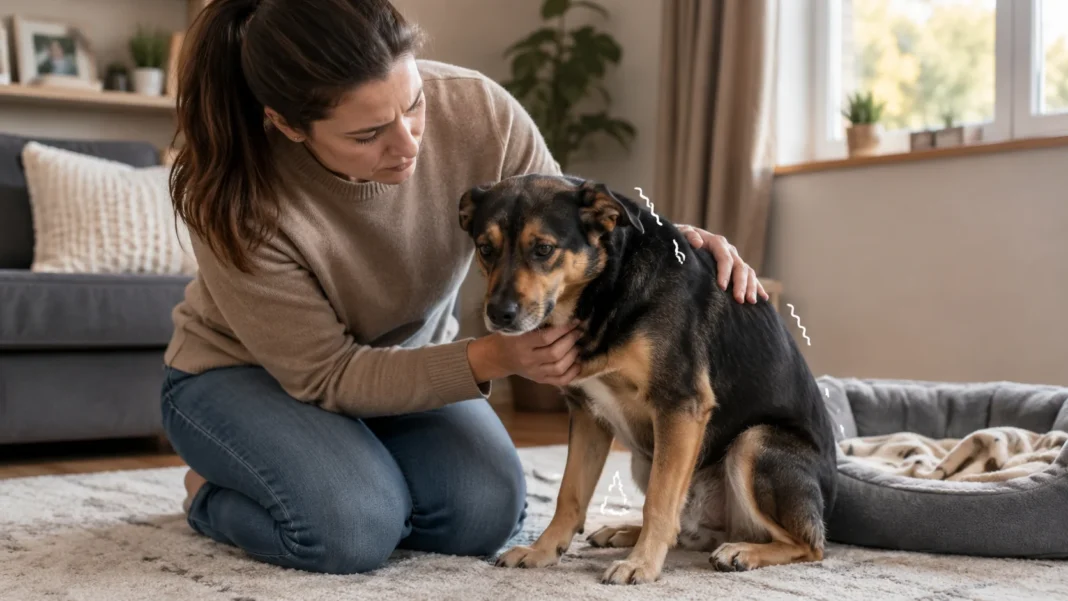
Why Is My Dog Shaking? 10 Causes and Warning Signs
Dog shaking can be confusing because the same visible behavior can mean very different things. One dog may tremble because the weather is cold, another may shake from fear during fireworks, and another may be showing the first sign of pain, poisoning, low blood sugar or a neurological problem. That is why the best answer to “why is my dog shaking?” starts with context, not panic. Look at when the shaking began, how intense it is, what your dog was doing before it started, and whether any other symptoms are happening at the same time.
Shaking, shivering, trembling and canine tremors are words many pet owners use interchangeably, but they are not always the same medically. Shivering often looks like small, rapid movements related to cold, stress or fever. Trembling may be a broader term for visible body shaking. Tremors are usually involuntary muscle movements that can be linked to neurological disease, toxins, metabolic changes or specific conditions such as shaker syndrome. You do not need to diagnose the exact category at home, but noticing the pattern helps your veterinarian ask better questions.
The fresh way to think about dog shaking is to separate “obvious trigger” from “no clear reason.” If your wet dog shivers for a few minutes after a bath and then relaxes once dry and warm, that is very different from a dog that suddenly shakes, vomits, refuses food and cannot walk normally. A short episode with a clear cause may only need comfort and observation. Sudden shaking with weakness, collapse, seizures, pale gums, repeated vomiting, bloating, breathing trouble or possible toxin exposure needs fast veterinary advice.
This guide explains the most common reasons dogs shake, the warning signs you should never ignore, and what you can safely do before calling a vet. It is written for real pet owners who need practical guidance in the moment, not a medical textbook. You will learn how cold, anxiety, excitement, pain, nausea, ear problems, low blood sugar, heatstroke, toxins and neurological conditions can all make a dog tremble. You will also learn why guessing can be risky when the shaking is new, severe or paired with other symptoms.
Use this article as a calm first step, not a replacement for veterinary care. Dogs cannot explain whether they feel dizzy, poisoned, overheated or painful, so body language matters. If your gut says your dog looks wrong, trust that instinct and call your veterinarian or an emergency clinic. A quick phone call can help you decide whether to monitor at home, schedule a same-day appointment or leave for urgent care immediately.
Is Dog Shaking Normal or a Sign Something Is Wrong?
Sometimes dog shaking is normal, especially when the cause is easy to see and your dog quickly returns to their usual self. Small dogs, short-haired breeds, puppies and senior dogs may shiver more easily in cold weather because they lose body heat faster. A dog may also tremble briefly after swimming, bathing or walking in wind and rain. In these cases, the shaking should improve once the dog is dried, warmed and settled in a calm environment.
Emotional shaking is also common. Dogs may shake when they are anxious, overstimulated, excited or afraid. Thunderstorms, fireworks, car rides, vet visits, new people and unfamiliar places can trigger trembling in sensitive dogs. You may also notice pacing, panting, lip licking, hiding, yawning, whale eye, tucked tail or clingy behavior. If the shaking appears only during a stressful event and fades when the dog feels safe, anxiety is a likely piece of the puzzle.
The concern rises when the shaking appears suddenly without a clear reason or looks more intense than your dog’s normal behavior. A dog shaking and acting weird, hiding, refusing food, whining, limping, drooling, panting hard or seeming disoriented may be dealing with pain, illness or a toxin. Shaking that does not stop, keeps coming back or affects the whole body deserves attention even if your dog is still standing. Persistent trembling is information, not something to brush off.
Age and health history also matter. A tiny puppy that has not eaten may shake from low blood sugar, while an older dog may tremble because of arthritis pain, weakness, kidney disease or neurological decline. A deep-chested dog that shakes, drools, retches and has a swollen belly could have bloat, which is an emergency. A dog with known seizures, diabetes, heart disease or previous toxin exposure needs a lower threshold for veterinary care when shaking changes.
The simplest rule is to compare the shaking with your dog’s normal baseline. If the episode is mild, short and tied to cold, excitement or fear, you can usually warm, comfort and observe. If the shaking is severe, unexplained, repeated or combined with other warning signs, call a veterinarian. Dogs often show illness through small changes before they crash, so careful observation can make the difference between early treatment and a dangerous delay.
Why Is My Dog Shaking? 10 Common Causes Explained
- Cold or wet conditions are one of the simplest reasons a dog may shiver. Toy breeds, lean dogs, puppies, seniors and dogs with thin coats often feel cold faster than larger or thick-coated breeds. 2. Fear, anxiety and stress can also cause visible trembling, especially during loud noises, travel, grooming or veterinary visits. In both cases, the shaking usually has a clear trigger and improves when the dog is warm, dry, reassured and away from the stressful situation.
- Excitement can make some dogs shake because their nervous system is highly activated. You may see this before a walk, during play, when guests arrive or when dinner is being prepared. 4. Pain is more serious and can come from arthritis, injury, abdominal discomfort, dental disease, back problems or internal illness. A dog shaking from pain may also whine, guard a body part, limp, avoid stairs, snap when touched, hunch the back or struggle to rest comfortably.
- Nausea and stomach upset can make dogs tremble, drool, lick their lips, swallow repeatedly or refuse food. Motion sickness, dietary indiscretion, pancreatitis, infections and swallowed objects may all make a dog look shaky and unsettled. 6. Ear infections or ear irritation can cause head shaking more than full-body shaking. If your dog keeps shaking the head, scratching an ear, tilting the head, rubbing the face or has odor and discharge, the problem may be painful inflammation inside the ear canal.
- Low blood sugar, also called hypoglycemia, is an important cause of trembling in puppies, toy breeds, diabetic dogs or dogs that have not eaten well. It may come with weakness, wobbliness, confusion, vomiting, collapse or seizures. 8. Heatstroke and fever can also cause shaking or weakness, but these dogs often look hot, distressed and exhausted rather than merely chilly. Heavy panting, drooling, vomiting, diarrhea, confusion and collapse are major red flags during warm weather or after exertion.
- Toxin exposure is one of the most urgent causes of sudden shaking in dogs. Chocolate, caffeine, xylitol, some human medications, insecticides, rodenticides, cannabis, certain plants and many household chemicals can trigger tremors, vomiting, agitation, weakness or seizures. 10. Neurological disorders, seizures and shaker syndrome can create involuntary tremors that may affect the head, legs or whole body. These episodes may worsen with activity, appear rhythmic, or come with poor coordination, eye movements, disorientation or loss of awareness.
Warning Signs That Mean Your Dog Needs a Vet Quickly
Call a veterinarian right away if your dog is shaking and also having trouble breathing. Rapid breathing, noisy breathing, open-mouth breathing when not hot, blue or pale gums, an extended neck posture or collapse can point to oxygen problems, shock, heatstroke, allergic reaction or heart and lung disease. Breathing changes are not a wait-and-see symptom. Even if the shaking seems mild, respiratory distress can worsen quickly and needs urgent professional guidance.
Vomiting, diarrhea and shaking together also deserve attention, especially when they are repeated, bloody or paired with weakness. These signs may come from stomach upset, infection, pancreatitis, poisoning, heat illness or a serious abdominal condition. A dog that shakes while retching without producing vomit, drools heavily, paces and develops a swollen belly may have bloat. Bloat can become life-threatening fast, particularly in large, deep-chested breeds, so emergency care is the safest choice.
Seizure-like activity is another warning sign. A seizure may look like full-body shaking, stiffening, paddling legs, drooling, loss of awareness, urination, collapse or strange behavior before and after the episode. Keep your dog away from stairs and hard furniture, avoid putting your hands near the mouth, and time the event if you can. First-time seizures, repeated seizures, long episodes, heat-related seizures or seizures after possible toxin exposure should be treated as urgent.
Weakness, wobbliness, paralysis or sudden inability to walk should not be ignored. Shaking with poor coordination can happen with low blood sugar, toxin exposure, spinal injury, neurological disease, vestibular problems or severe illness. A dog that cannot stand, keeps falling, drags a leg or seems mentally dull needs prompt evaluation. This is especially true for puppies, senior dogs, diabetic dogs and dogs with known medical conditions, because they have less reserve when something goes wrong.
Possible poisoning is always worth a call, even before symptoms become dramatic. If your dog may have eaten chocolate, sugar-free gum, human medication, rodent bait, insecticide, cannabis, moldy food, toxic plants or unknown chemicals, do not wait for shaking to get worse. Have the package, ingredient list or estimated amount ready when you call. Do not induce vomiting unless a veterinarian or poison control professional specifically tells you to do so.
What to Do at Home When Your Dog Starts Shaking
Start by checking the environment and removing obvious triggers. If your dog is cold or wet, dry them with a towel, move them indoors and offer a warm resting spot away from drafts. If your dog is scared by thunder, fireworks or visitors, reduce noise, close curtains and create a quiet space. Speak calmly and avoid crowding them. Comfort can help stress shaking, but do not force touch if your dog seems painful or defensive.
Next, observe the whole dog, not only the shaking. Look at gum color, breathing, posture, alertness, walking ability, belly shape, appetite, vomiting, diarrhea, drooling, panting, limping and response to your voice. Notice whether the shaking is full-body trembling, head shaking, leg tremors or a rhythmic movement that continues when your dog is not cold or scared. These details help separate simple shivering from possible illness, pain or neurological tremors.
Write down what happened before the episode. Did your dog eat normally? Did they exercise in heat? Did they get into trash, a purse, medication, a plant, chocolate, nicotine, cannabis or a garage product? Did they fall, fight with another animal, receive a vaccine, start a new medicine or visit a groomer? A timeline is valuable because many causes of shaking depend on exposure, timing and other symptoms that may not be obvious later.
Avoid giving human medications, leftover prescriptions or home remedies. Painkillers such as ibuprofen, naproxen and acetaminophen can be dangerous for dogs, and the wrong dose or drug can make the situation worse. Do not try to cool a dog aggressively with ice water, do not feed a weak dog that may choke, and do not attempt to restrain a seizing dog by force. Safe first aid is calm, limited and focused on preventing further harm.
If the shaking is mild and clearly linked to cold, excitement or a known fear, monitor your dog closely as the trigger passes. If the shaking lasts more than a short period, returns repeatedly, has no clear explanation or comes with any warning sign, call your vet. When in doubt, describe the symptoms over the phone and ask whether urgent care is needed. It is better to feel overly cautious than to miss a toxin, seizure, bloat or heat emergency.
How Veterinarians Find the Cause of Dog Trembling
A veterinarian usually begins with a history and physical exam. They will ask when the shaking started, whether it is constant or episodic, what your dog may have eaten, what medications they take, and whether there are signs such as vomiting, diarrhea, pain, limping, coughing, panting, weakness or behavior changes. They may watch your dog walk, check temperature, listen to the heart and lungs, examine the ears, feel the abdomen and look for signs of pain or injury.
Basic lab work can be very helpful when the cause is not obvious. Blood tests may check blood sugar, electrolytes, liver values, kidney values, infection markers and evidence of inflammation or anemia. Urinalysis can add information about hydration, kidney function and metabolic disease. These tests matter because low blood sugar, liver problems, kidney disease, electrolyte imbalance and systemic illness can all show up as trembling, weakness, confusion or seizure-like behavior.
If pain is suspected, your vet may focus on joints, muscles, spine, mouth, abdomen or ears. Dogs often hide pain until it becomes significant, so shaking may be one of the first visible clues. Depending on the exam, your veterinarian may recommend X-rays, ultrasound, orthopedic evaluation, dental assessment or pain-relief trials that are safe for dogs. The goal is not only to stop the shaking, but to treat the reason your dog feels unwell.
When toxins are possible, speed matters. Your veterinarian may ask exactly what your dog ate, how much, when it happened and how much your dog weighs. Treatment may include decontamination, activated charcoal for certain toxins, IV fluids, medications to control tremors or seizures, blood sugar support and monitoring for delayed organ effects. Many poisoning cases are treatable when addressed early, but waiting until tremors become severe can make treatment harder.
For neurological tremors or suspected seizures, your vet may recommend more specialized testing. This may include detailed neurological examination, infectious disease testing, advanced imaging or referral to a veterinary neurologist. Conditions such as shaker syndrome, epilepsy, spinal disease, brain injury and metabolic disorders can look similar at home. A careful workup helps avoid guessing and gives your dog the best chance at the right treatment plan.
How to Prevent Shaking Episodes When You Can
You cannot prevent every cause of dog shaking, but you can reduce several common risks. Keep small, senior and short-coated dogs warm in cold weather, dry your dog after rain or bathing, and avoid long exposure to wind or low temperatures. During hot weather, schedule walks for cooler hours, provide shade and water, skip intense exercise, and never leave a dog in a parked car. Temperature-related shaking is easier to prevent than to treat after it becomes serious.
For anxiety-related trembling, prevention means building predictability and safety. Dogs that shake during storms, fireworks, grooming or travel may benefit from desensitization training, a calm retreat, pressure wraps, white noise, pheromone products or vet-prescribed anxiety support. Punishment makes fear worse, so focus on reassurance, routine and gradual exposure. If your dog shakes often from stress, a veterinarian or qualified behavior professional can help create a plan before the next trigger arrives.
Toxin prevention is one of the most important safety steps for dog owners. Keep human medications, chocolate, caffeine, xylitol products, cannabis, nicotine, pesticides, rodenticides, antifreeze, cleaning products and certain plants out of reach. Secure trash cans and bags, check labels on peanut butter and dental products, and be careful after guests visit because purses and backpacks often contain medications or gum. Sudden shaking in a previously normal dog should always make you think about possible exposure.
Good daily care also lowers risk. Feed puppies and toy breeds on an appropriate schedule, manage diabetes exactly as your vet advises, keep vaccines and parasite prevention current, treat ear infections promptly, and do not ignore limping or stiffness. Senior dogs may need arthritis support, weight management and regular wellness checks because pain and weakness can appear as trembling. The more stable your dog’s baseline health is, the easier it is to notice meaningful changes.
Finally, make an emergency plan before you need one. Save your regular veterinarian’s number, the nearest emergency clinic and a pet poison helpline in your phone. Know your dog’s current weight, medications and medical conditions. Keep packaging if a toxin is involved and record videos of unusual shaking when it is safe to do so. A short video can help your vet tell the difference between shivering, tremors, head shaking and seizure activity.
The Bottom Line on Dog Shaking
Dog shaking is not automatically an emergency, but it is never meaningless. Cold, fear and excitement can cause temporary shivering that improves with comfort and time. Pain, nausea, ear infections, low blood sugar, heatstroke, toxins and neurological disease can also cause shaking, and those situations need more attention. The safest approach is to judge the episode by its trigger, severity, duration and the symptoms that come with it.
If your dog is bright, breathing normally, walking well and stops shaking once warm or calm, you can usually monitor closely. If your dog is shaking and acting weird, vomiting, weak, bloated, unable to stand, breathing poorly, collapsing, seizing or possibly poisoned, call a veterinarian immediately. You know your dog’s normal personality better than anyone. When the shaking does not fit that normal pattern, getting help quickly is the kindest decision.
The most important habit is to connect the shaking with the full picture. A single symptom rarely tells the whole story, but a group of symptoms often points in the right direction. Shaking plus fear suggests stress, shaking plus limping suggests pain, shaking plus vomiting suggests illness or toxin exposure, and shaking plus panting in heat suggests overheating. These patterns help you decide whether the next step is comfort, observation or urgent care.
It also helps to act early instead of waiting for a dramatic sign. Dogs can compensate for discomfort until they suddenly cannot, especially puppies, senior dogs and dogs with chronic disease. If the trembling is new or your dog seems unlike themselves, a same-day call can save time and stress. Your vet may simply tell you what to watch for, but that guidance is much safer than guessing from symptoms alone.
In the end, dog trembling is a signal to pause and look closer. Most pet owners do not need to panic every time their dog shivers, but they do need to notice changes, protect their dog from obvious risks and respond quickly to warning signs. With a calm eye, a clear emergency plan and good veterinary support, you can handle most shaking episodes with confidence and give your dog the care they need.
FAQ: Why is my dog shaking but acting normal?
Your dog may be cold, excited, mildly anxious or responding to a recent bath, swim or chilly walk. If the shaking stops quickly and your dog eats, walks and behaves normally, monitor closely and keep them comfortable.
FAQ: When should I worry about my dog shaking?
Worry if the shaking is sudden, severe, unexplained, persistent or paired with vomiting, diarrhea, weakness, collapse, pale gums, breathing trouble, bloating, seizures, pain or possible toxin exposure.
FAQ: Can anxiety make a dog shake?
Yes, anxiety, fear and stress can make dogs tremble during storms, fireworks, car rides, grooming, vet visits or unfamiliar situations. Repeated anxiety shaking may improve with training, routine changes and veterinary guidance.
FAQ: Why is my puppy shaking?
Puppies may shake from cold, fear, low blood sugar, illness or exhaustion. Because puppies can decline quickly, shaking with weakness, poor appetite, vomiting, diarrhea or dull behavior should be discussed with a vet.
FAQ: Should I take a video of my dog shaking?
Yes, if it is safe. A short video can help your veterinarian see whether the movement looks like shivering, head shaking, tremors, pain behavior or seizure activity, which can guide the next steps.