


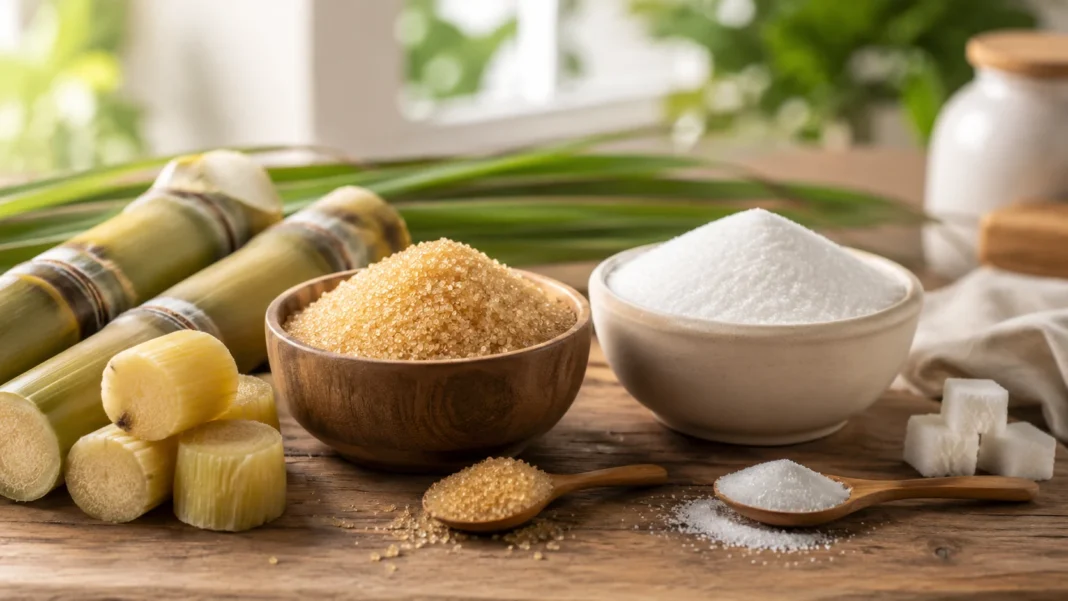
Cane Sugar: Is It Really Healthier Than Regular Sugar?
Cane sugar is often marketed as a more natural alternative to ordinary white sugar, especially when labels use terms such as organic, raw, unrefined, or minimally processed. That wording can make it sound nutritionally superior, but the difference is usually much smaller than people expect. Most cane sugar is primarily sucrose, the same basic carbohydrate found in standard table sugar. Your body therefore processes the two in very similar ways. The main differences usually involve where the sugar came from, how much it was refined, its color, flavor, and texture.
Regular granulated sugar can come from either sugar cane or sugar beets, depending on the manufacturer and region. Cane sugar, as the name suggests, is produced specifically from sugar cane. Both products are concentrated sources of added sugar and provide roughly the same number of calories per teaspoon. They contain little meaningful protein, fiber, healthy fat, vitamins, or minerals. Even less-refined cane sugars generally do not provide enough micronutrients to transform them into nutrient-dense foods.
The confusion becomes greater because cane sugar is sometimes brown or golden instead of bright white. People often associate darker foods with being less processed and therefore healthier, but color alone does not determine nutritional value. Some cane sugars retain small amounts of molasses, giving them a richer flavor and slightly darker appearance. Those trace components may provide tiny amounts of minerals, but the quantities are generally too small to create a meaningful nutritional advantage at normal serving sizes.
From a blood sugar perspective, cane sugar and regular table sugar behave similarly because both are mostly sucrose. Sucrose is broken down into glucose and fructose during digestion, contributing calories and raising blood glucose. Switching from conventional sugar to organic cane sugar without reducing the amount you consume is therefore unlikely to improve blood sugar control or substantially change your overall diet. Quantity matters much more than whether the crystals came from cane or beets.
That does not mean cane sugar has no place in a healthy diet. Sweet foods can fit into balanced eating patterns when added sugar intake remains moderate and most meals are built around nutrient-dense foods. The useful question is not whether cane sugar is secretly a health food, but how it compares with other sugars and how much is reasonable to eat. Understanding its nutrition, processing, potential risks, and practical uses can help you make choices without being misled by “natural sugar” marketing.
What Is Cane Sugar?
Cane sugar is sugar produced from the stalks of sugar cane, a tall tropical grass cultivated in warm climates around the world. The stalk contains a naturally sweet juice rich in sucrose. During production, the cane is harvested, crushed, and processed to extract this juice. The liquid is then clarified, concentrated, and crystallized to produce different types of sugar. Depending on how far refining continues, the final product may be golden, light brown, dark brown, or nearly pure white.
The basic carbohydrate in cane sugar is sucrose. Sucrose is a disaccharide made from one glucose molecule joined to one fructose molecule. During digestion, enzymes separate these components so they can be absorbed and used or stored by the body. This is why the biological effect of cane sugar is similar to that of ordinary table sugar. The source plant may differ, but the dominant sugar molecule is usually the same.
Several products can fall under the broad description of cane sugar. These include white cane sugar, raw cane sugar, turbinado sugar, demerara sugar, evaporated cane juice, and certain less-refined brown sugars. Their crystal size, moisture, flavor, and molasses content can differ significantly. However, all remain concentrated sweeteners containing substantial amounts of sucrose. A less-refined appearance does not make them comparable with whole fruit, vegetables, or other nutrient-rich foods.
Commercial labels can make cane sugar sound especially wholesome by emphasizing words such as natural or organic. Organic cane sugar is produced according to specific agricultural and processing standards, but the organic label does not substantially change the sugar molecule or its calorie content. Someone may prefer organic products for environmental, farming, or personal reasons, but those preferences should be separated from claims about metabolic health.
Cane sugar is also different from sugar cane itself. Fresh sugar cane contains water, plant material, and naturally occurring compounds along with sugar. Once the juice is extracted and concentrated into crystalline sugar, most of that original food structure is removed. The finished sweetener is therefore much more concentrated. This distinction is similar to the difference between eating a whole fruit and consuming a purified sweetener made from one of its components.
Cane Sugar vs Regular Sugar: What Is the Difference?
The biggest difference is the source. Cane sugar comes exclusively from sugar cane, while regular white table sugar may be made from either sugar cane or sugar beets. Once fully refined, both products are usually almost pure sucrose. They therefore provide very similar sweetness, calories, carbohydrate content, and effects on blood glucose. For most nutritional purposes, the difference between them is minimal.
Texture and flavor can vary depending on processing. Some cane sugars retain a small amount of molasses, giving them a slightly caramel-like taste and a warmer color. Standard white granulated sugar is usually highly refined and neutral in flavor. These differences can affect baking because crystal size, moisture, and flavor influence texture and browning. From a health perspective, however, those culinary differences matter much more than any nutritional advantage.
Cane sugar is sometimes described as less processed than regular sugar. That can be true for certain products such as turbinado or demerara, but “less processed” does not automatically mean substantially healthier. Refining removes impurities and molasses, yet the calories remain concentrated in either form. If a person eats six teaspoons of raw cane sugar instead of six teaspoons of white sugar, total added sugar intake remains essentially the same.
Regular white sugar made from beets and refined cane sugar are so chemically similar that your digestive system does not meaningfully identify them as separate foods. Both are broken down into glucose and fructose. Both contribute about four calories per gram. Both can contribute to excessive added sugar intake when consumed frequently. The body is concerned primarily with the chemical composition and amount consumed rather than the marketing category on the package.
For everyday use, choosing between cane and regular sugar therefore comes down mainly to taste, cooking preferences, cost, sourcing, or personal values. Someone may enjoy cane sugar’s slightly richer flavor and larger crystals, while another person may prefer ordinary granulated sugar because it is inexpensive and consistent. Neither choice provides a major health advantage if total intake remains high.
Cane Sugar Nutrition: Calories, Carbs and Nutrients
Cane sugar is an energy-dense carbohydrate with very little nutritional variety. One teaspoon generally contains around 15 to 20 calories and approximately 4 grams of carbohydrate, almost entirely from sugar. A tablespoon contains roughly three times that amount. Exact values can vary slightly by product and how tightly it is measured, but the overall pattern is consistent. Almost all of the energy comes from sucrose.
Cane sugar contains essentially no meaningful dietary fiber. Fiber slows digestion, supports gut health, and contributes to fullness, which is one reason whole carbohydrate foods affect the body differently from refined sugar. Because cane sugar lacks this food structure, it is easy to consume significant amounts quickly. A sweetened drink can contain several teaspoons without creating the same fullness as a fiber-rich meal.
Protein and fat are also nearly absent. This matters because meals containing protein, fat, and fiber generally digest more slowly than foods dominated by refined sugar. Cane sugar by itself provides quick energy but little satiety. When it is added heavily to drinks, desserts, breakfast foods, and sauces, calories can accumulate without making the meal particularly filling.
Less-refined cane sugars may contain tiny amounts of minerals such as calcium, potassium, iron, or magnesium because some molasses remains. These amounts are generally nutritionally insignificant at normal serving sizes. You would need to consume an unreasonable amount of sugar to obtain meaningful quantities of those minerals, which would also deliver excessive calories and added sugar. Foods such as legumes, vegetables, dairy, nuts, seeds, and whole grains are far better mineral sources.
This is why nutritional comparisons should focus less on trace minerals and more on the overall food category. Cane sugar is best understood as a sweetener rather than a source of essential nutrients. It can improve flavor and enjoyment, but it should not be counted on to provide substantial nutrition. Its role in the diet is primarily culinary and pleasurable rather than nutritional.
Is Cane Sugar Healthier Than White Sugar?
For most people, cane sugar is not meaningfully healthier than white sugar. Both consist mostly of sucrose and deliver approximately the same amount of calories and carbohydrate. They are digested through essentially the same pathway and contribute to total added sugar intake. Choosing cane sugar instead of white sugar does not substantially reduce calories, carbohydrate, or the impact on blood glucose.
The idea that cane sugar is healthier often comes from its natural image. Golden crystals, organic packaging, and references to traditional processing can create a health halo. Yet natural origin alone does not determine whether a food should be eaten freely. Sugar cane is a plant, but purified cane sugar is still a concentrated sweetener. Refinement level does not erase the metabolic importance of the amount consumed.
Less-refined cane sugar may contain slightly more molasses and therefore trace minerals and antioxidant compounds. However, these differences are so small at realistic serving sizes that they should not drive nutritional decisions. A teaspoon of turbinado sugar does not suddenly become a significant source of iron or potassium. You would obtain far more nutrition by improving the foods surrounding the sweetener.
If switching to cane sugar causes you to use less because its flavor is stronger or because you become more intentional about portion size, that could indirectly benefit your diet. The health advantage would come from consuming less added sugar, not from a special metabolic property of the cane sugar itself. The same principle applies to honey, maple syrup, coconut sugar, and other alternative sweeteners.
A practical conclusion is that cane sugar can be chosen for flavor or preference but should still be treated as added sugar. If your main goal is better metabolic health, reducing overall added sugar will have a greater impact than simply replacing one refined sweetener with another. The label matters less than the amount.
Does Cane Sugar Raise Blood Sugar?
Yes, cane sugar can raise blood glucose because sucrose contains glucose and fructose. Once digested, the glucose portion enters the bloodstream directly, while fructose is processed mainly by the liver. The resulting blood sugar response depends on the amount consumed and whether the sugar is eaten alone or as part of a mixed meal. Larger doses generally produce a greater metabolic effect.
Eating cane sugar with protein, fat, and fiber can slow overall digestion compared with consuming sugar in a sweetened drink by itself. For example, a small amount of sugar in oatmeal with nuts and yogurt may affect blood glucose differently from the same amount dissolved in soda. Meal composition therefore matters. However, adding protein and fiber does not make large amounts of sugar metabolically irrelevant.
People with diabetes or prediabetes may need to pay particular attention to added sugar because carbohydrate management affects blood glucose. Cane sugar should not be assumed to be diabetes-friendly simply because it is organic, raw, or natural. Its carbohydrate still counts. Individual glucose responses vary, so monitoring and personalized guidance can help determine how much fits into a specific eating plan.
Someone without diabetes does not need to panic every time blood glucose rises after eating. A temporary increase is a normal response to carbohydrate. The concern is more about habitual dietary patterns involving excessive added sugars, particularly when combined with excess calorie intake, low fiber, low physical activity, and other metabolic risk factors. One teaspoon in coffee is different from multiple sugary drinks throughout the day.
If blood sugar control is your main concern, using less cane sugar is generally more useful than searching for a supposedly healthier form of sucrose. Non-sugar sweeteners may be appropriate for some people, while others prefer gradually reducing sweetness altogether. The best strategy depends on personal preference and health goals.
Is Organic Cane Sugar Better for You?
Organic cane sugar is produced from sugar cane grown and processed according to organic agricultural standards. These standards may affect pesticide use, farming practices, soil management, and processing methods. People may choose organic cane sugar because they value those production practices. From a nutritional perspective, however, organic cane sugar remains predominantly sucrose.
The calorie and carbohydrate content of organic cane sugar is essentially the same as conventional cane sugar. Your body does not significantly alter how it metabolizes sucrose because the cane was organically grown. An organic label therefore should not be interpreted as permission to consume unlimited amounts. Added sugar recommendations still apply.
Some organic cane sugars are less refined and retain a golden color and subtle molasses flavor. This may give them a more complex taste and make them attractive for coffee, baking, or desserts. The presence of trace molasses can contribute tiny quantities of minerals, but not enough to make the product a meaningful source of nutrients. Flavor is the more important difference.
Organic products may also cost more than conventional sugar. Whether that premium is worthwhile depends on what you value. If you prioritize particular farming systems or ingredient sourcing, you may decide the difference matters. If your main goal is improving nutrition on a limited budget, spending more on vegetables, fruit, legumes, whole grains, or quality protein would usually provide a larger health return.
The key is separating environmental or ethical preferences from metabolic claims. Organic cane sugar can be a legitimate personal choice without being a healthier sugar in the way consumers sometimes assume. It is still an added sweetener and is best used in moderation.
Raw Cane Sugar, Turbinado and Demerara: Are They Healthier?
Raw cane sugar is a broad term often used for sugars that retain some natural molasses and undergo less refining than standard white sugar. Turbinado and demerara are two familiar examples. They typically have larger crystals, a golden-brown appearance, and a mild caramel flavor. Their visual differences can make them seem substantially more nutritious than white sugar.
Turbinado sugar is produced by partially refining sugar cane juice while leaving a thin coating of molasses around the crystals. Demerara is similarly coarse and golden but can vary somewhat in flavor and processing. Both contain mostly sucrose and provide roughly the same amount of calories as white sugar. Their nutritional advantages are therefore small.
The retained molasses contributes tiny amounts of minerals and plant compounds. However, normal serving sizes contain too little to make a meaningful contribution to daily nutrient needs. Eating more turbinado sugar to obtain those minerals would defeat the purpose because added sugar intake would rise dramatically. A spoonful of nuts, beans, or leafy greens offers far more nutritional value.
Where raw cane sugars do have an advantage is flavor. Their stronger taste may allow some people to enjoy a smaller amount while still feeling satisfied. They can add crunch to baked goods or complexity to coffee and oatmeal. If richer flavor naturally leads to lower overall sugar use, that can be a useful practical benefit.
From a health standpoint, however, these products should still be counted as added sugars. Terms such as raw, natural, or minimally processed describe manufacturing characteristics rather than giving the sweetener a free pass nutritionally. Portion size remains the key issue.
Cane Sugar vs Brown Sugar
Brown sugar generally consists of refined sugar crystals combined with molasses. Some types retain molasses naturally during processing, while others are made by adding molasses back to white sugar. This gives brown sugar its characteristic moisture, color, and caramel-like flavor. Cane sugar can also be brown or golden depending on how much molasses remains.
Nutritionally, brown sugar and cane sugar are very similar. Both contain mostly sucrose and provide almost the same calories per gram. Brown sugar may contain tiny amounts of minerals from molasses, but the amounts are too small to create a meaningful health advantage. The same applies to many less-refined cane sugars.
The difference becomes more important in cooking. Brown sugar’s moisture affects baked goods, helping create softer cookies and richer sauces. Coarse cane sugars may provide more crunch or a subtler caramel flavor. Substituting one for another can change texture even when sweetness remains relatively similar.
People sometimes assume brown sugar is healthier because it looks less refined. This is another example of color creating a health halo. A darker sugar is still sugar. Its molasses content does not transform it into a whole food or significant source of micronutrients.
If you prefer the flavor of brown sugar, there is no need to avoid it simply because cane sugar is marketed as more natural. Choose whichever works best for the recipe and keep the amount reasonable. Nutritionally, reducing total added sugar matters more than choosing between the two.
Cane Sugar vs Honey and Maple Syrup
Honey and maple syrup are frequently marketed as healthier replacements for cane sugar because they come from recognizable natural sources and contain small amounts of plant compounds. Honey is produced by bees from flower nectar, while maple syrup comes from concentrated maple tree sap. Both contain different mixtures of sugars and water rather than being almost pure crystalline sucrose.
These sweeteners may contain trace antioxidants, minerals, or other compounds that cane sugar lacks. However, the quantities consumed in normal portions are generally small. Honey and maple syrup still provide added sugars and calories, and large amounts can contribute to the same broader concerns associated with excessive sugar intake. Their nutritional differences should not be exaggerated.
Because honey and maple syrup contain water, their calories per tablespoon can differ somewhat from dry sugar. However, people may pour larger amounts because liquid sweeteners are easy to overuse. Measuring occasionally can help prevent the assumption that a natural syrup is calorie-free or metabolically harmless.
Flavor can be a meaningful advantage. Maple syrup and honey have stronger, more distinctive tastes than plain sugar, which may make small amounts more satisfying. They can also contribute texture and aroma that cane sugar cannot reproduce. Choosing them for taste is completely reasonable.
From a health perspective, however, none of these sweeteners should be treated as unrestricted. The best option is usually whichever helps you use the least added sugar while still enjoying your food. Whole diet quality matters far more than whether your teaspoon of sweetness came from cane, bees, or maple trees.
Cane Sugar vs Coconut Sugar
Coconut sugar is made from the sap of coconut palm flower buds and is another sweetener commonly marketed as a healthier alternative to cane sugar. It has a darker color and caramel-like flavor and may contain trace minerals and small amounts of compounds such as inulin. These features often appear prominently in marketing.
Despite those differences, coconut sugar is still predominantly sugar and provides a similar number of calories to cane sugar. It should therefore be counted as added sugar. The small quantities of minerals it provides do not make it comparable with whole plant foods.
Coconut sugar is sometimes promoted as having a lower glycemic index. Glycemic values can vary by product and testing method, and a modest difference does not mean coconut sugar can be eaten without affecting blood glucose. Total carbohydrate amount remains important, especially for people managing diabetes.
Its flavor can work well in baked goods, sauces, and coffee, so someone may prefer it for culinary reasons. However, replacing cane sugar gram for gram with coconut sugar is unlikely to create a major improvement in overall health. If the quantity stays the same, calorie and added sugar intake remain very similar.
This comparison illustrates a broader lesson about alternative sweeteners. Many provide minor differences in flavor or trace nutrients, but most remain concentrated sources of sugar. The healthiest change is often reducing overall sweetness rather than repeatedly switching from one expensive sugar to another.
Health Risks of Eating Too Much Cane Sugar
Excessive added sugar can contribute to weight gain because it adds calories without providing much satiety or nutrition. Sugar-sweetened beverages are particularly easy to consume in large quantities because liquid calories do not always produce the same fullness as solid food. Over time, routinely taking in more energy than the body uses can increase body fat.
High added sugar intake is also associated with poorer metabolic health when it forms a major part of the diet. Diets containing large amounts of sugary drinks and refined carbohydrates can contribute to insulin resistance and increased risk of type 2 diabetes, especially when combined with excess body weight and low physical activity. Cane sugar is not uniquely responsible, but it counts toward the same overall intake.
Dental health is another important concern. Oral bacteria use fermentable carbohydrates, including sucrose, and produce acids that can damage tooth enamel. Frequently exposing teeth to sugary foods or drinks throughout the day can be particularly harmful. Brushing, flossing, fluoride exposure, and limiting frequent sugary snacks can reduce risk.
Large amounts of added sugar can also contribute to elevated triglycerides and other cardiovascular risk factors in some people. Again, the issue is not one teaspoon of cane sugar but the pattern created when sweetened beverages, desserts, breakfast products, snacks, and sauces all contribute sugar throughout the day. Small sources can add up quickly.
Perhaps the simplest risk is nutritional displacement. Calories from sugary foods can crowd out foods that provide protein, fiber, vitamins, minerals, and healthy fats. A diet does not become unhealthy because it contains dessert, but it can become poorly balanced when sweet foods make up a large portion of total energy intake. Moderation preserves room for both enjoyment and nutrition.
How Much Cane Sugar Is Too Much?
There is no special recommended limit specifically for cane sugar because nutritional guidelines generally treat it as part of total added sugar intake. The important number is how much added sugar you consume from all sources combined. That includes cane sugar, corn syrup, honey, syrups, sweetened drinks, desserts, candy, flavored yogurt, sauces, and many packaged foods.
A useful general principle is to keep added sugars below about 10% of total daily calories. For someone eating 2,000 calories, that corresponds to less than roughly 200 calories, or about 50 grams, from added sugar. Some health organizations encourage even lower intake for additional health benefits. These numbers are guidelines rather than targets you need to reach.
Sugar can accumulate more quickly than expected. A sweetened coffee, flavored yogurt, granola bar, sauce, and dessert can collectively provide a large amount even when none seems excessive individually. Reading nutrition labels can reveal where added sugar is coming from. You may discover that drinks and packaged foods contribute more than the sugar you deliberately spoon into recipes.
You do not need to count every gram forever. Once you recognize common sources, practical changes become easier. Drinking more unsweetened beverages, choosing plain yogurt, reducing sugar in coffee, and eating desserts in reasonable portions can lower intake substantially without creating a highly restrictive diet.
The goal is not zero sugar unless a specific medical situation requires a particular dietary strategy. Food enjoyment matters too. A small amount of cane sugar in a balanced diet is unlikely to be the deciding factor in your health. Repeated high intake is the more meaningful concern.
How to Use Cane Sugar in a Healthier Way
The easiest strategy is simply using less. Many recipes can tolerate a modest reduction in added sugar without becoming unpleasant, especially foods such as oatmeal, sauces, homemade yogurt bowls, and certain baked goods. Gradually lowering sweetness allows your taste preferences to adjust over time. Foods that once seemed normal may eventually taste excessively sweet.
Pair sweet foods with nutrient-dense ingredients. Instead of eating sugar-heavy cereal alone, combine unsweetened oats with fruit, nuts, and a small amount of cane sugar if needed. The meal then contains fiber, healthy fat, and protein alongside the sweetener. This creates better overall nutrition and may also improve satiety.
Use naturally sweet foods when they fit the recipe. Bananas, berries, dates, applesauce, roasted fruit, and cinnamon can add sweetness or the perception of sweetness without relying entirely on refined sugar. These ingredients do not always substitute perfectly in baking, but they can reduce the amount needed in many everyday meals.
Pay attention to drinks because they are one of the easiest places to consume large amounts of sugar without realizing it. Coffee, tea, lemonade, energy drinks, and flavored beverages can contain several teaspoons per serving. Reducing sugar gradually or switching some drinks to unsweetened versions can make a meaningful difference.
Finally, use cane sugar intentionally rather than automatically. If a dessert genuinely tastes better with it, enjoy an appropriate portion. If sugar is being added simply out of habit, experiment with reducing it. Healthy eating becomes easier when sweeteners are used to enhance foods rather than dominate them.
Who Should Be More Careful With Cane Sugar?
People with diabetes should pay particular attention to cane sugar because it contributes rapidly available carbohydrate. This does not always mean complete avoidance, but portions should fit within the person’s overall carbohydrate plan. Pairing sugary foods with balanced meals may help, but the sugar still counts toward total carbohydrate intake.
People with prediabetes or insulin resistance may also benefit from reducing added sugars, particularly sugar-sweetened beverages. Improving overall diet quality, physical activity, sleep, and body weight when appropriate can significantly influence metabolic health. Replacing white sugar with organic cane sugar alone does not address those broader factors.
Anyone working on weight management may want to monitor added sugars because they provide concentrated calories with limited fullness. Eliminating every sweet food is unnecessary, but reducing liquid sugars and frequent desserts can make calorie control easier. The most sustainable plan is one that still allows enjoyable foods in sensible amounts.
People with high triglycerides or certain cardiovascular risk factors may also be advised to reduce added sugar as part of a broader dietary strategy. The exact recommendations should be individualized because overall carbohydrate quality, alcohol intake, body weight, medication, and genetics can all influence triglyceride levels.
Children deserve particular attention because lifelong taste preferences develop early. Frequent sugary beverages and snacks can make heavily sweetened foods feel normal. Offering water, milk, whole fruit, and minimally sweetened foods more often can help establish a healthier baseline without making sugar seem forbidden or morally bad.
Conclusion: Is Cane Sugar Actually Healthier?
Cane sugar is not meaningfully healthier than regular white sugar for most people. Both are primarily sucrose, provide roughly the same calories, and are metabolized in very similar ways. The fact that cane sugar comes specifically from sugar cane does not substantially change its nutritional effect.
Raw, organic, turbinado, and demerara cane sugars may contain slightly more molasses and trace minerals than highly refined white sugar. Those differences are real but nutritionally small. You would need to consume far too much sugar before the extra minerals became meaningful.
The same principle applies when comparing cane sugar with honey, maple syrup, coconut sugar, and other natural sweeteners. Each has unique flavor and composition, but they all contribute added sugars and calories. Choosing one for taste is reasonable; choosing it because you expect dramatically different health effects is less supported.
The most useful change is usually reducing overall added sugar rather than searching for a perfect sweetener. Small portions of cane sugar can fit comfortably into a balanced diet built around vegetables, fruit, whole grains, legumes, protein-rich foods, and healthy fats. Food does not need to be completely sugar-free to be nutritious.
So, if you enjoy cane sugar, there is no need to avoid it simply because it is sugar. Use it thoughtfully, pay attention to portions, and do not let natural or organic labeling create the impression that unlimited amounts are healthy. In nutrition, quantity and overall dietary pattern matter far more than the color of the sugar crystals.
Frequently Asked Questions
Is cane sugar better for you than white sugar?
Not significantly. Cane sugar and white sugar are both mainly sucrose and provide similar calories and carbohydrates, so their effects on the body are largely comparable.
Is cane sugar less processed than regular sugar?
Some cane sugars, such as turbinado and demerara, are less refined and retain more molasses. However, being less processed does not substantially reduce their sugar or calorie content.
Does cane sugar raise blood sugar?
Yes. Cane sugar contains sucrose, which is broken down into glucose and fructose during digestion. It can raise blood glucose, particularly when consumed in large amounts.
Is organic cane sugar healthy?
Organic cane sugar can fit into a healthy diet in moderation, but it is still added sugar. The organic label relates mainly to production practices rather than making the sugar nutritionally superior.
Which sugar is the healthiest?
There is no refined or natural sweetener that becomes a health food simply because of its source. The healthiest approach is generally to keep total added sugar moderate and choose sweeteners according to taste and dietary needs.