


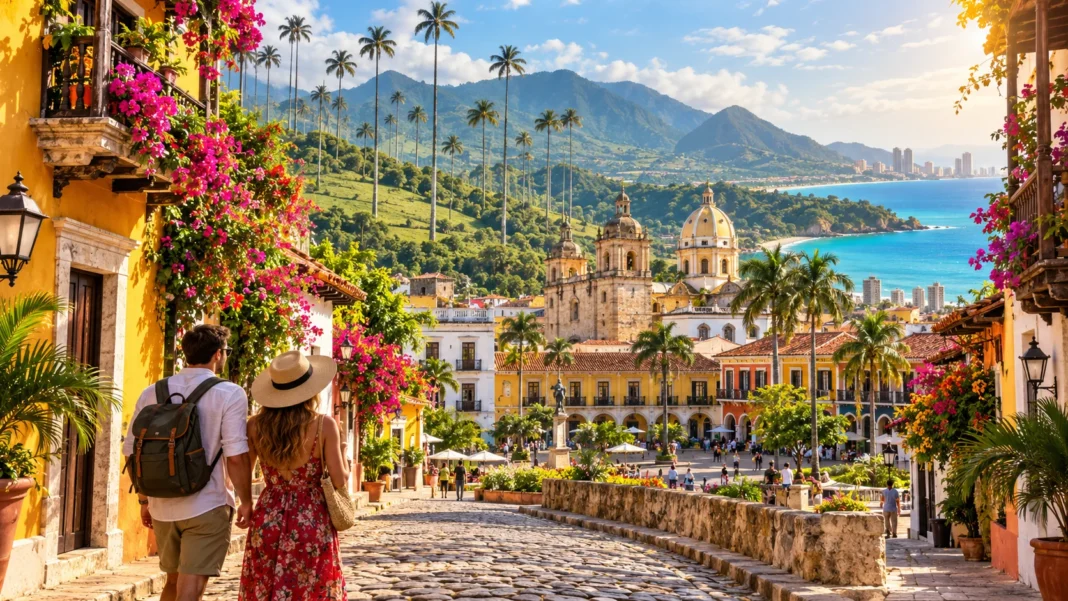
Best Places to Visit in Colombia: Discover a Country Full of Wonders
Colombia is one of South America’s most fascinating travel destinations, offering Caribbean beaches, colorful colonial towns, lush rainforests, and breathtaking mountain landscapes. Whether you enjoy cultural attractions, outdoor adventures, or relaxing coastal escapes, the country has something memorable to offer. Exploring the best places to visit in Colombia reveals remarkable natural diversity, vibrant traditions, and welcoming communities.
From the historic streets of Cartagena to the modern neighborhoods of Medellín, Colombia combines traditional charm with contemporary experiences. Travelers can discover archaeological treasures, visit coffee plantations, explore national parks, and enjoy beautiful tropical islands. Each region offers distinctive scenery and cultural experiences, making it possible to create an itinerary around different interests.
Planning a Colombian vacation becomes easier when you understand the country’s main destinations and seasonal conditions. Mountain cities can be cool, while Caribbean destinations often experience warm, tropical weather throughout the year. This guide explores Colombia’s top attractions, beautiful places, and essential travel tips to help you plan a rewarding journey.
Cartagena: Explore Colorful Streets and Caribbean History
Cartagena is among the most popular tourist destinations in Colombia, famous for its colorful architecture, historic fortifications, and lively Caribbean atmosphere. The city’s beautifully preserved colonial center features narrow streets, flower-covered balconies, and charming public squares. Walking through its historic neighborhoods feels like discovering a fascinating combination of architectural heritage and modern Colombian culture.
The Walled City is Cartagena’s main attraction, where visitors can explore historic churches, restaurants, and picturesque streets. Castillo San Felipe de Barajas offers an impressive introduction to the city’s defensive history and coastal importance. Nearby Getsemaní attracts travelers with colorful street art, traditional buildings, and a vibrant neighborhood atmosphere.
Cartagena also serves as a starting point for exploring nearby Caribbean islands and coastal attractions. Travelers can combine historical sightseeing with beach excursions, waterfront walks, and local culinary experiences. Because the city is often hot and humid, exploring early in the morning and taking comfortable afternoon breaks can make sightseeing more enjoyable.
Medellín: Discover Innovation, Culture, and Mountain Views
Medellín is a fascinating Colombian city surrounded by green mountains and known for its pleasant climate and urban transformation. Once associated with difficult periods in its history, the city now attracts visitors interested in culture, architecture, and neighborhood experiences. Its public transportation network also provides convenient opportunities to explore different areas and enjoy impressive valley views.
Comuna 13 is a popular cultural destination featuring colorful murals, community-led tours, and outdoor escalators connecting hillside neighborhoods. Plaza Botero showcases distinctive sculptures by Colombian artist Fernando Botero, while the nearby Museo de Antioquia highlights regional artistic heritage. Visitors can also ride the city’s cable cars to appreciate Medellín’s mountainous setting.
For a quieter experience, explore the Medellín Botanical Garden or discover traditional neighborhoods with local guides. The surrounding Antioquia region offers additional opportunities for countryside excursions and scenic viewpoints. Choosing reputable transportation, following local advice, and planning activities around established visitor areas can make your Medellín experience more comfortable.
Bogotá: Experience Colombia’s Capital and Cultural Attractions
Bogotá is Colombia’s capital and a rewarding destination for travelers who appreciate history, museums, architecture, and contemporary city life. Located high in the Andes, the city has a cooler climate than many coastal regions. Its cultural attractions, traditional neighborhoods, and diverse culinary scene provide an excellent introduction to the country’s heritage.
La Candelaria is Bogotá’s historic district, featuring colonial buildings, colorful streets, and important cultural landmarks. The Gold Museum contains an extraordinary collection of pre-Hispanic goldwork, while the Botero Museum presents notable Colombian and international artwork. Visitors can also explore Plaza Bolívar, an important civic square surrounded by historic architecture.
Monserrate is another famous Bogotá attraction, offering panoramic views across the capital from a mountain overlooking the city. Visitors can reach the summit using available transportation services and explore its religious and cultural landmarks. Because of Bogotá’s elevation, taking time to adjust and dressing in layers can help make sightseeing more comfortable.
Tayrona National Natural Park: Enjoy Beaches and Rainforest
Tayrona National Natural Park is one of Colombia’s most beautiful natural attractions, combining tropical forests, coastal mountains, and picturesque Caribbean beaches. Located near Santa Marta, the park protects important ecosystems and areas of cultural significance to Indigenous communities. Its remarkable landscapes attract travelers seeking outdoor scenery and a peaceful connection with nature.
Popular areas include Cabo San Juan, known for its dramatic coastline and beautiful surrounding landscapes. Established walking routes allow visitors to experience tropical vegetation, coastal viewpoints, and different natural environments. However, strong currents make swimming dangerous at certain beaches, so travelers should only enter the water where swimming is specifically permitted.
Tayrona sometimes closes temporarily for conservation, cultural observances, or other management reasons, making advance planning essential. Visitors should check current entry requirements, authorized routes, and operating dates before traveling. Carrying drinking water, using suitable sun protection, and respecting environmental rules help protect both visitors and the park’s sensitive ecosystems.
Salento and Cocora Valley: Explore Colombia’s Coffee Region
Salento is a charming town in Colombia’s Coffee Cultural Landscape, famous for colorful houses, surrounding green mountains, and traditional coffee-growing communities. Its relaxed atmosphere and scenic countryside make it one of the most appealing destinations for nature lovers. Visitors can enjoy local hospitality while discovering the importance of coffee cultivation to Colombian culture.
The nearby Cocora Valley is especially famous for its towering wax palms, Colombia’s national tree. These remarkable palms rise above green hills and create one of the country’s most recognizable landscapes. Travelers can explore established trails, admire mountain scenery, and enjoy photography opportunities while learning about conservation efforts protecting this distinctive environment.
Coffee farm visits are another highlight of the Salento region, providing insight into cultivation, harvesting, and processing traditions. Nearby towns such as Filandia offer additional opportunities to discover colorful architecture and countryside viewpoints. Weather can change quickly in the mountains, so comfortable walking shoes and waterproof clothing are useful additions to your luggage.
Guatapé: Admire Colorful Buildings and Lake Views
Guatapé is a picturesque lakeside town in Antioquia, widely recognized for its brightly painted buildings and decorative wall panels. Located within reach of Medellín, it is a popular destination for day trips and short countryside escapes. The surrounding reservoir and green hills create beautiful scenery, making Guatapé especially attractive to photographers.
One of the area’s most famous attractions is El Peñol Rock, a massive granite formation overlooking the surrounding waterways. A steep staircase leads toward viewpoints with expansive views of the landscape. Visitors who prefer a less demanding experience can admire the rock from below and explore the town’s colorful streets instead.
Guatapé’s central streets are decorated with traditional illustrated panels known as zócalos, which often portray local stories and everyday life. Visitors can also enjoy waterfront scenery, browse small shops, and sample regional dishes. Allowing enough time to explore beyond the main viewpoints helps reveal the town’s distinctive atmosphere and cultural character.
San Andrés Island: Relax Beside the Caribbean Sea
San Andrés Island is one of Colombia’s most attractive tropical destinations, celebrated for its turquoise waters, sandy beaches, and relaxed Caribbean atmosphere. Located in the western Caribbean Sea, the island offers a different experience from mainland Colombian cities. Its coastal scenery and marine environments make it particularly appealing for beach vacations.
Spratt Bight is a well-known beach area where visitors can enjoy ocean views and access nearby shops and restaurants. Other popular attractions include Johnny Cay and the surrounding coastal waters, which display beautiful shades of blue. Guided boat excursions and suitable snorkeling experiences provide opportunities to appreciate the island’s marine environment responsibly.
The island also has a distinctive cultural identity shaped by its Raizal heritage and Caribbean traditions. Visitors can explore local cuisine, music, and neighborhoods beyond the busiest beachfront areas. Weather and sea conditions can affect excursions, so checking forecasts and choosing reputable operators are important parts of planning an enjoyable island vacation.
Santa Marta: Discover Coastal Heritage and Scenic Beaches
Santa Marta is one of Colombia’s oldest European-founded cities and an important gateway to the country’s northern Caribbean region. It combines historic attractions, coastal landscapes, and access to nearby mountain and rainforest environments. Travelers often choose Santa Marta as a base for exploring regional natural attractions while enjoying a relaxed seaside atmosphere.
The city’s historic center features traditional architecture, public squares, and cultural attractions connected with Colombian history. Quinta de San Pedro Alejandrino is an important landmark associated with Simón Bolívar’s final days. Visitors can also explore the waterfront and discover nearby coastal communities that offer beautiful views and a different pace of life.
Santa Marta provides convenient access to Tayrona National Natural Park and the Sierra Nevada de Santa Marta region. Excursions range from comfortable cultural sightseeing to nature-focused experiences requiring more preparation. Warm weather is common near the coast, making breathable clothing, regular hydration, and thoughtful activity planning useful throughout your visit.
Villa de Leyva: Step Into a Beautiful Colonial Town
Villa de Leyva is one of Colombia’s most charming colonial towns, known for its whitewashed buildings, cobblestone streets, and peaceful mountain surroundings. Located in the Boyacá region, it attracts visitors interested in history, architecture, and countryside scenery. The town’s preserved appearance creates an atmosphere that feels remarkably different from Colombia’s larger urban destinations.
Plaza Mayor is the town’s most recognizable landmark, featuring an expansive stone square surrounded by historic buildings. Visitors can wander through traditional streets, explore small museums, and appreciate the area’s colonial architecture. Nearby attractions include geological and fossil-related sites that reveal interesting details about the region’s distant natural history.
The surrounding countryside offers scenic viewpoints and opportunities to visit smaller communities with traditional crafts and local food. Villa de Leyva is particularly appealing for a relaxed weekend getaway or cultural road trip. Comfortable footwear is recommended because the historic cobblestone streets can be uneven, especially after rainfall.
San Agustín: Explore Ancient Archaeological Treasures
San Agustín is one of Colombia’s most important archaeological destinations, famous for mysterious stone sculptures and ancient ceremonial landscapes. Located in the southern Andes, the region preserves evidence of societies that developed long before European colonization. Its combination of historical significance and green mountain scenery makes it particularly rewarding for curious travelers.
San Agustín Archaeological Park contains an extraordinary collection of carved stone figures, burial structures, and ceremonial sites. Many sculptures feature human, animal, or symbolic characteristics, reflecting complex artistic and spiritual traditions. Walking through the archaeological areas provides an opportunity to learn about ancient cultures while appreciating the surrounding natural environment.
The region also offers countryside viewpoints, waterfalls, and cultural experiences connected with local communities. Guided visits can provide valuable historical context and help visitors understand the significance of the protected monuments. Because San Agustín is relatively remote, transportation arrangements and sufficient travel time should be considered when planning your itinerary.
Tatacoa Desert: Experience Unique Landscapes and Stargazing
The Tatacoa Desert is one of Colombia’s most unusual natural destinations, featuring dramatic formations, dry landscapes, and striking earth-colored scenery. Despite its popular name, Tatacoa is technically a tropical dry forest environment rather than a conventional desert. Its distinctive terrain creates exceptional opportunities for landscape photography and geological exploration.
Visitors can admire the reddish formations around Cuzco and the gray landscapes associated with Los Hoyos. These contrasting areas reveal fascinating patterns shaped by erosion and environmental processes. Tatacoa is also known for astronomy experiences, as relatively dark skies can offer rewarding opportunities to observe stars when weather conditions are suitable.
Daytime temperatures can be intense, making comfortable clothing, sun protection, and adequate drinking water important. Guided excursions provide a practical way to understand the terrain while following established visitor routes. Travelers interested in astronomy should remember that cloud cover and moonlight can affect how clearly stars appear during nighttime observations.
Leticia and the Amazon: Discover Colombia’s Tropical Rainforest
Leticia is an important gateway to Colombia’s Amazon region and offers a completely different environment from the country’s mountain cities and Caribbean coastline. Located near the borders with Brazil and Peru, it provides access to remarkable rainforest ecosystems. Visitors can discover exceptional biodiversity while learning about the traditions of Indigenous communities living in the region.
Wildlife-focused excursions may offer opportunities to observe birds, monkeys, river dolphins, and other animals in their natural habitats. River journeys introduce travelers to the vast waterways that support Amazonian life and transportation. Responsible community-based experiences can also provide meaningful insights into local traditions when organized with appropriate consent and cultural respect.
Exploring the Amazon requires careful preparation because transportation, weather, and environmental conditions differ from major Colombian cities. Choose experienced local guides, confirm necessary health precautions, and respect wildlife protection guidelines. Avoid disturbing animals or entering unfamiliar forest areas without authorized guidance, helping preserve the region’s extraordinary natural and cultural heritage.
Nuquí and Colombia’s Pacific Coast: Discover Untouched Nature
Nuquí is a remarkable destination along Colombia’s Pacific coast, where lush tropical rainforest meets dramatic ocean scenery. The region attracts travelers seeking nature, peaceful coastal environments, and experiences beyond conventional tourist routes. Its remote setting and rich biodiversity create a distinctive atmosphere that appeals to visitors interested in conservation and outdoor exploration.
The surrounding coastline offers opportunities to appreciate rainforest landscapes, beaches, and traditional coastal communities. During suitable seasonal periods, guided whale-watching excursions may provide opportunities to observe humpback whales migrating through Pacific waters. Responsible operators maintain appropriate distances from marine wildlife, allowing visitors to appreciate these encounters without unnecessarily disturbing the animals.
Traveling to Nuquí generally requires additional planning because access and infrastructure are more limited than in major destinations. Rainfall is frequent, and sea conditions can affect transportation and outdoor activities. Selecting suitable accommodation and arranging excursions through reputable local providers can make the experience more comfortable while supporting regional communities.
Best Travel Tips for Exploring Colombia
Planning a Colombian itinerary requires considering the country’s varied geography, climate, and transportation connections. Traveling between distant regions may involve significant road journeys or domestic flights, so avoid scheduling too many destinations within a short period. Grouping nearby attractions together helps create a comfortable itinerary with more time for meaningful experiences.
Safety preparations are another important part of traveling responsibly in Colombia. Conditions can differ between cities, neighborhoods, and rural areas, making current local guidance particularly valuable. Use reputable transportation providers, protect important belongings, and avoid unfamiliar or isolated areas without reliable advice from accommodation staff or established local guides.
Colombia’s climate varies by elevation and region, meaning there is no single perfect travel season for every destination. Caribbean areas often experience drier conditions during parts of December through April, while mountain regions can experience changing weather throughout the year. Packing versatile clothing and checking regional forecasts can make sightseeing more comfortable.
Conclusion
Colombia offers an exceptional variety of attractions, from Cartagena’s colorful colonial streets to Medellín’s mountain scenery and the breathtaking landscapes of Cocora Valley. Caribbean islands, archaeological parks, historic towns, and Amazonian rainforests provide equally memorable experiences. The best places to visit in Colombia showcase the country’s extraordinary natural diversity and rich cultural heritage.
Choosing the right destinations depends on whether you prefer beaches, history, outdoor scenery, wildlife, or lively city experiences. Combining a few contrasting regions can create a rewarding itinerary without making your trip unnecessarily rushed. Understanding travel distances, seasonal weather, and local conditions helps ensure that each destination receives enough time and attention.
Whether you are planning your first visit or returning to explore new regions, Colombia offers opportunities for memorable discoveries. Its colorful architecture, dramatic landscapes, cultural traditions, and welcoming communities make it a fascinating South American destination. With thoughtful preparation and responsible travel choices, you can experience some of Colombia’s most beautiful and distinctive attractions.
Frequently Asked Questions (FAQs)
What are the best places to visit in Colombia for first-time travelers?
Cartagena, Medellín, Bogotá, Salento, and Tayrona National Natural Park are popular choices for first-time visitors. These destinations provide a memorable combination of cultural attractions, colonial architecture, natural scenery, and Colombian traditions.
What is the most beautiful place in Colombia?
Beauty depends on personal preferences, but Cocora Valley, Tayrona National Natural Park, Cartagena, and San Andrés Island are especially admired. Each offers distinctive scenery, ranging from green mountain landscapes to beautiful Caribbean coastlines.
What is the best time of year to visit Colombia?
The ideal time depends on your destination and planned activities. December through March is often popular for visiting several regions, although rainfall, temperatures, and tourism demand vary considerably across Colombia.
How many days do you need to explore Colombia?
A trip of 10 to 14 days allows travelers to explore several major attractions at a comfortable pace. Longer visits provide more opportunities to discover remote regions, coastal destinations, and smaller towns.
Is Colombia a good destination for a family vacation?
Yes, Colombia offers family-friendly attractions, including museums, botanical gardens, beaches, historic towns, and scenic excursions. Choosing suitable accommodation, organized transportation, and age-appropriate activities can help create an enjoyable family travel experience.