


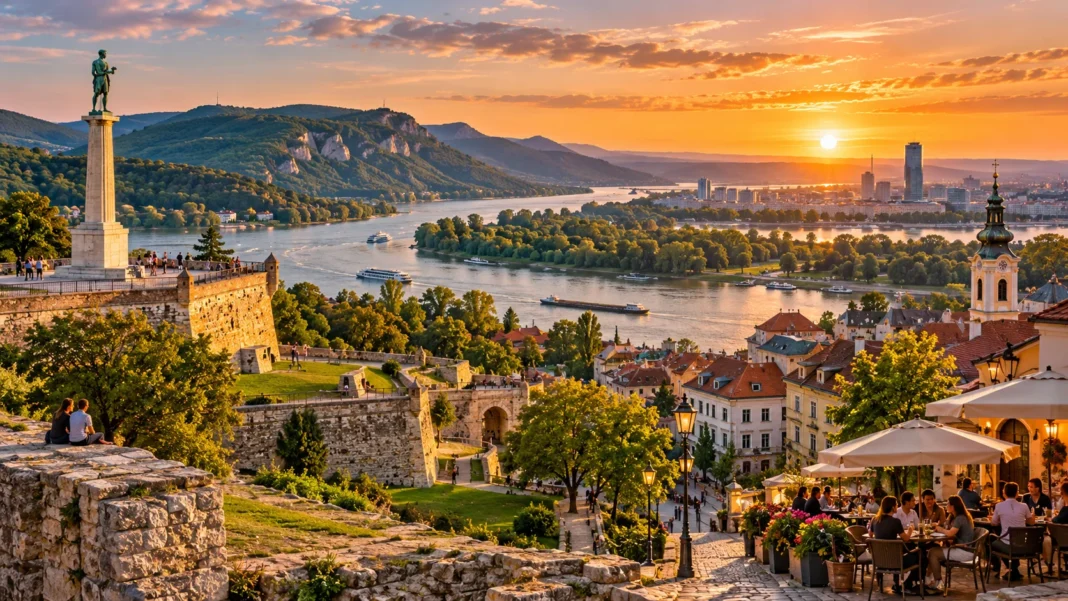
Serbia is one of Southeast Europe’s most interesting destinations, offering a wonderful combination of historic cities, dramatic landscapes, cultural landmarks, and traditional hospitality. From the lively streets of Belgrade to peaceful mountain villages and beautiful river valleys, the country offers memorable experiences for different types of travelers. Exploring the best things to do in Serbia reveals attractions that combine natural beauty with centuries of fascinating history.
Whether you enjoy exploring medieval fortresses, hiking through national parks, discovering local traditions, or wandering around charming towns, Serbia has plenty to offer. Its diverse landscapes and rich cultural heritage make it an appealing destination throughout much of the year. This guide explores the country’s most rewarding attractions, experiences, and practical travel considerations.
1. Explore Belgrade, Serbia’s Vibrant Capital
Belgrade is Serbia’s capital and largest city, known for its historic landmarks, lively neighborhoods, and impressive riverside scenery. Located where the Sava and Danube rivers meet, the city combines ancient history with modern urban life. Visitors can spend hours exploring its pedestrian streets, public squares, museums, and architectural landmarks while experiencing the energy of one of the Balkans’ major cities.
Knez Mihailova Street is one of Belgrade’s most popular pedestrian areas, featuring historic buildings, shops, cafés, and cultural attractions. Republic Square is another important landmark, surrounded by notable architecture and public gathering spaces. Walking through these central neighborhoods provides an introduction to the city’s history, everyday culture, and distinctive atmosphere without requiring an elaborate sightseeing schedule.
Belgrade also has several quieter areas worth exploring, including riverside paths, public parks, and residential neighborhoods with traditional architecture. Dorćol is particularly interesting for visitors who enjoy discovering local streets and historic surroundings. Spending a few days in the capital allows travelers to experience its major attractions while leaving room for spontaneous discoveries and relaxed sightseeing.
2. Visit Belgrade Fortress and Kalemegdan Park
Belgrade Fortress is one of the country’s most recognizable historical attractions, standing above the meeting point of the Sava and Danube rivers. Its strategic location made it an important defensive site for centuries. Today, the fortress contains historic walls, gates, monuments, and viewpoints that reveal different chapters of Belgrade’s complicated past and provide spectacular river panoramas.
The surrounding Kalemegdan Park offers walking paths, landscaped gardens, and open spaces where visitors can enjoy the scenery. Exploring the fortress grounds reveals layers of Roman, medieval, Ottoman, and Austrian influence. The combination of architecture, historical remains, and natural surroundings makes the area especially appealing for travelers interested in culture and photography.
Sunset is a particularly attractive time to visit because the rivers and surrounding city become beautifully illuminated. Visitors can stroll along the fortress walls, admire distant views, and explore monuments scattered throughout the grounds. Comfortable walking shoes are useful because some paths include uneven surfaces, steps, and older sections of stone paving.
3. Discover Novi Sad and Petrovaradin Fortress
Novi Sad is a charming city in northern Serbia, known for its elegant architecture, welcoming atmosphere, and location along the Danube River. Its historic center features attractive squares, colorful buildings, and pedestrian streets filled with cafés and shops. Visitors seeking a relaxed alternative to Belgrade often appreciate the city’s combination of cultural attractions and walkable neighborhoods.
Petrovaradin Fortress is Novi Sad’s most famous landmark, standing prominently above the Danube. This impressive historic complex contains stone walls, galleries, artistic spaces, and panoramic terraces overlooking the city. Its distinctive clock tower is particularly recognizable, making the fortress an essential stop for visitors interested in Serbian history and architecture.
Beyond the fortress, Novi Sad offers museums, churches, riverside walks, and nearby natural attractions. Liberty Square provides an excellent starting point for exploring the historic center and admiring surrounding architecture. Travelers can also visit the Danube waterfront, experience local cultural events, or plan an excursion to the nearby Fruška Gora National Park.
4. Experience the Natural Beauty of Tara National Park
Tara National Park is one of Serbia’s most beautiful natural destinations, featuring forested mountains, dramatic viewpoints, and peaceful landscapes. Located in western Serbia near the Drina River, the park attracts visitors interested in hiking, wildlife, and outdoor relaxation. Its extensive forests create a refreshing setting away from crowded urban attractions and busy sightseeing routes.
Banjska Stena is among the park’s best-known viewpoints, offering magnificent scenery over the Drina River canyon and surrounding hills. Visitors can explore marked walking routes, discover forest trails, and enjoy photography opportunities throughout the area. The park is also known for its biodiversity, including rare plant species and wildlife that depend on its protected habitats.
Nearby Lake Perućac provides another attractive destination for sightseeing and enjoying the surrounding mountain scenery. Travelers should choose established walking paths and follow local guidance when exploring remote areas. Tara National Park is especially rewarding for people who appreciate peaceful natural environments, scenic photography, and outdoor experiences surrounded by remarkable landscapes.
5. Admire the Beautiful Uvac River Canyon
The Uvac River Canyon is famous for its dramatic meanders, where the river curves through steep limestone landscapes in southwestern Serbia. These winding bends create some of the country’s most recognizable natural scenery. Visitors come to admire the impressive viewpoints, observe wildlife, and experience the peaceful atmosphere of the surrounding protected nature reserve.
One of the most popular experiences involves viewing the river from elevated lookout points. The winding waterway, green hills, and steep cliffs create impressive photography opportunities throughout the warmer months. The reserve is also an important habitat for griffon vultures, which visitors may occasionally observe soaring above the surrounding cliffs.
Guided boat excursions provide another way to appreciate the canyon’s scale and natural beauty, subject to local conditions and availability. Certain tours may also include opportunities to see nearby cave entrances and limestone formations. Because the area is protected, visitors should follow reserve regulations, use authorized guides where required, and avoid disturbing wildlife.
6. Explore Đerdap National Park and the Iron Gates
Đerdap National Park stretches along the Danube River in eastern Serbia and contains some of the country’s most spectacular river landscapes. The park is particularly famous for the Iron Gates gorge, where the Danube passes between dramatic cliffs and surrounding mountains. Its combination of natural scenery and archaeological heritage makes it a fascinating destination.
Visitors can explore designated viewpoints, discover historical landmarks, and appreciate the river’s remarkable geological surroundings. The area includes several sections where towering hills frame the Danube, creating memorable landscapes for sightseeing and photography. Walking routes and visitor attractions provide opportunities to experience the park beyond its scenic roads and riverside settlements.
Đerdap is also associated with important archaeological sites, including Lepenski Vir, which preserves evidence of prehistoric communities along the Danube. Nearby historic fortifications add another dimension to the region’s appeal. Combining nature and history makes the national park one of Serbia’s most rewarding destinations for travelers interested in diverse experiences.
7. Discover the Historic Golubac Fortress
Golubac Fortress stands beside the Danube River near the entrance to the Iron Gates gorge. This medieval fortification is famous for its impressive towers, stone walls, and dramatic riverside location. Its remarkable position makes it one of Serbia’s most photogenic historical landmarks and a popular stop for visitors exploring eastern Serbia.
The fortress played an important role in controlling movement along the Danube during the medieval period. Today, its restored sections help visitors imagine the defensive importance of its towers and fortified walls. Different visitor areas may have varying access requirements, making it useful to check current opening arrangements before planning an excursion.
Surrounding viewpoints provide excellent opportunities to photograph the fortress against the river and nearby hills. The attraction pairs naturally with a visit to Đerdap National Park, allowing travelers to experience medieval history and beautiful scenery together. Its striking architecture and peaceful waterfront setting make Golubac a memorable Serbian sightseeing destination.
8. Visit Niš and Learn About Serbian History
Niš is one of Serbia’s oldest major cities and offers an interesting combination of Roman, Ottoman, and modern history. Located in southern Serbia, the city contains important monuments, lively public spaces, and cultural attractions. Its manageable center makes it a practical destination for travelers interested in exploring historical sites while experiencing everyday Serbian city life.
Niš Fortress is one of the city’s main attractions, featuring substantial stone walls and an inviting setting near the Nišava River. Visitors can explore its open spaces and discover architectural reminders of the Ottoman period. Another significant attraction is the archaeological site of Mediana, which preserves evidence of Roman life near the city.
The city also contains the Skull Tower, a solemn historical monument associated with Serbia’s struggle against Ottoman rule. Visitors should approach the site respectfully because of its sensitive history. Alongside its monuments, Niš offers pleasant pedestrian streets, local food experiences, and public squares that provide a welcoming setting for exploring southern Serbia.
9. Enjoy Mountain Scenery in Zlatibor
Zlatibor is a popular mountain destination in western Serbia, known for rolling hills, forested landscapes, and recreational attractions. Its mountain surroundings appeal to visitors seeking fresh air, scenic walks, and a change from city sightseeing. The region offers opportunities to explore traditional villages, enjoy panoramic views, and discover natural attractions throughout different seasons.
One well-known attraction is the Gold Gondola, which offers elevated views of the surrounding landscape along its route. Visitors can also explore walking paths, mountain viewpoints, and nearby recreational areas. Zlatibor’s combination of accessible activities and mountain scenery makes it attractive for families and travelers who prefer relaxed outdoor experiences.
The surrounding region contains interesting cultural attractions, including the traditional village museum at Sirogojno. This open-air museum features historic wooden buildings that illustrate aspects of rural Serbian life. Visiting these locations provides a broader understanding of the region beyond its main resort center and introduces travelers to local architecture and traditions.
10. Discover Kopaonik National Park
Kopaonik is one of Serbia’s best-known mountain regions, recognized for its extensive landscapes and seasonal recreational opportunities. During winter, its established ski resort attracts visitors interested in mountain holidays and organized snow activities. Outside the colder months, the region offers green slopes, walking routes, and impressive views across the surrounding highlands.
Kopaonik National Park protects important mountain ecosystems, including forests, meadows, and distinctive plant communities. Visitors can explore designated nature trails, enjoy scenic viewpoints, and discover the region’s landscapes at a comfortable pace. Weather conditions can change quickly at higher elevations, so suitable clothing and local route information are important.
Summer and early autumn are appealing periods for travelers who prefer hiking and mountain sightseeing rather than winter recreation. The area offers a quieter experience outside its busiest seasonal periods. Whether visiting for natural scenery or organized resort activities, Kopaonik provides a different perspective on Serbia’s varied geography and outdoor attractions.
11. Visit Serbia’s Historic Monasteries
Serbia has a rich tradition of Orthodox Christian architecture, with historic monasteries scattered across valleys, mountains, and rural landscapes. These religious complexes often contain impressive medieval stonework, decorative frescoes, and peaceful courtyards. Visiting them provides insight into Serbia’s artistic traditions, cultural identity, and religious history across several centuries.
Studenica Monastery is one of the country’s most important medieval monuments and is recognized as a UNESCO World Heritage Site. Its architecture and surviving artwork reflect the achievements of medieval Serbian culture. Other important sites include Žiča Monastery and the historic monasteries around Fruška Gora, each offering a distinctive setting.
Visitors should respect local customs because many monasteries remain active religious communities. Modest clothing, quiet behavior, and attention to photography restrictions are appropriate when entering sacred spaces. Exploring these historic complexes can provide a meaningful cultural experience even for travelers whose primary interests are architecture, art, and history.
12. Explore Devil’s Town Rock Formations
Devil’s Town, known locally as Đavolja Varoš, is an unusual natural attraction located in southern Serbia near Mount Radan. The site is famous for its tall earth formations topped with harder stone caps. These distinctive shapes developed through natural erosion and create a landscape that looks remarkably different from the country’s forests and mountain valleys.
Walking through the protected area allows visitors to observe the formations from designated paths and viewpoints. The unusual landscape has inspired local legends that add an interesting cultural dimension to the experience. Informational displays and surrounding natural features help explain the geological processes responsible for creating these remarkable structures.
The attraction is particularly appealing to travelers interested in geology, unusual landscapes, and nature photography. Comfortable footwear is useful because access involves walking on outdoor paths with varying surfaces. Visitors should remain on designated routes to protect the fragile formations and preserve the landscape for future generations.
13. Experience Serbian Food and Local Traditions
Exploring traditional Serbian cuisine is one of the most enjoyable ways to understand the country’s culture. Popular dishes include ćevapi, grilled meat served in small portions, and pljeskavica, a seasoned grilled meat patty. Visitors may also encounter sarma, stuffed cabbage leaves, and other dishes influenced by regional traditions.
Local bakeries provide an accessible introduction to Serbian food, particularly through pastries such as burek. This flaky pastry commonly contains cheese, meat, or other savory fillings and is widely enjoyed as a breakfast or snack. Traditional restaurants also offer hearty soups, fresh salads, and regional specialties that vary across different parts of the country.
Food markets are another interesting place to experience local life. Fresh produce, cheeses, baked goods, and seasonal ingredients reveal the importance of everyday culinary traditions. Trying familiar regional dishes and visiting neighborhood restaurants can make a Serbian trip feel more connected to the places and communities being explored.
14. Discover Fruška Gora and Rural Serbia
Fruška Gora National Park is located near Novi Sad and provides a beautiful escape into forested hills and peaceful countryside. The region is known for its walking routes, historic monasteries, and scenic natural surroundings. Its convenient location makes it a worthwhile excursion for travelers exploring northern Serbia and the Vojvodina region.
The park’s landscapes offer opportunities for comfortable walks, outdoor photography, and discovering rural settlements. Several historic monasteries are spread across the surrounding hills, adding cultural interest to the natural environment. Visitors can combine short walks with stops at traditional villages and historical attractions for a varied day of exploration.
Rural areas around Fruška Gora also feature traditional farmsteads and local food experiences. These settings provide an introduction to a quieter side of Serbian life away from major cities. Exploring the countryside allows travelers to appreciate the country’s agricultural heritage, natural scenery, and regional customs at a relaxed pace.
15. Plan the Best Time to Visit Serbia
Spring and autumn are often comfortable seasons for exploring Serbian cities and cultural landmarks. Mild temperatures can make walking around Belgrade, Novi Sad, and historic fortresses particularly enjoyable. Spring brings greener landscapes, while autumn adds seasonal colors to national parks, forests, and countryside destinations across the country.
Summer is popular for outdoor sightseeing, mountain excursions, and exploring river landscapes. However, some cities can experience high temperatures during the warmer months, making early or late sightseeing more comfortable. Mountain destinations such as Tara, Zlatibor, and Kopaonik may offer appealing alternatives for travelers seeking cooler surroundings and outdoor activities.
Winter brings a different atmosphere, especially in mountain resort areas and cities decorated for the holiday season. Travelers should consider daylight hours, weather conditions, transportation, and seasonal attraction access when planning. Checking practical arrangements beforehand helps create a more comfortable itinerary and allows enough time to appreciate each destination without unnecessary rushing.
Conclusion
Serbia offers an impressive range of attractions, from historic fortresses and energetic cities to peaceful mountain landscapes and winding river canyons. Exploring Belgrade, Novi Sad, Tara National Park, and the Uvac River Canyon reveals the country’s remarkable diversity. Each destination provides opportunities to experience its history, culture, and natural beauty.
The best things to do in Serbia depend on your interests, travel season, and available time. History enthusiasts can explore medieval monasteries and fortresses, while nature lovers may prefer protected national parks and scenic mountain regions. Local cuisine, traditional villages, and cultural experiences add further variety to a well-rounded Serbian adventure.
Whether you are planning a short city break or a longer journey through the countryside, Serbia offers memorable experiences beyond its most famous landmarks. Allowing time for both popular attractions and quieter destinations can make your trip more rewarding. With thoughtful planning, you can discover the landscapes, traditions, and welcoming atmosphere that make Serbia an appealing Balkan destination.
Frequently Asked Questions
What are the best things to do in Serbia for first-time visitors?
First-time visitors should consider exploring Belgrade Fortress, Novi Sad, Petrovaradin Fortress, and Serbia’s national parks. These attractions introduce the country’s history, urban culture, and natural scenery through a variety of memorable experiences.
Is Serbia worth visiting for tourists?
Yes, Serbia offers historic cities, scenic mountains, medieval monasteries, impressive fortresses, and traditional food. Its mix of cultural attractions and outdoor destinations makes it appealing to travelers interested in experiencing different aspects of the Balkans.
How many days do you need to explore Serbia?
Around five to seven days can provide time to explore Belgrade, Novi Sad, and selected nearby attractions. A longer trip allows additional visits to national parks, southern cities, and mountain destinations.
What is the best month to visit Serbia?
May, June, September, and early October are often appealing for sightseeing because temperatures are generally comfortable. Summer suits outdoor excursions, while winter attracts visitors interested in seasonal mountain resort activities.
What is Serbia most famous for?
Serbia is known for Belgrade, Novi Sad, medieval monasteries, historic fortresses, the Danube River, and scenic mountain landscapes. Traditional cuisine, cultural heritage, and diverse natural attractions also contribute to its tourism appeal.