


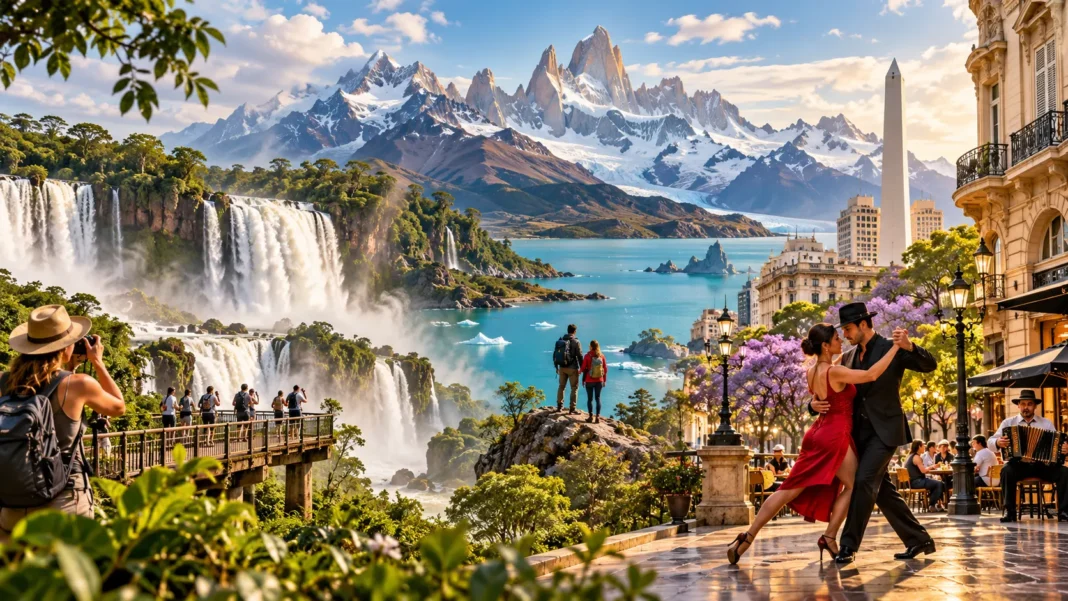
Argentina is one of South America’s most exciting travel destinations, famous for its breathtaking landscapes, vibrant cities, rich cultural heritage, and incredible natural wonders. From the colorful streets of Buenos Aires to the glaciers of Patagonia, the country offers unforgettable experiences for travelers with different interests. Whether you enjoy exploring historic neighborhoods, discovering natural attractions, or experiencing local traditions, Argentina has something special to offer.
As the second-largest country in South America, Argentina features remarkable geographical diversity. Travelers can explore tropical waterfalls in the north, beautiful vineyards and mountain scenery in the west, and snow-covered peaks and glaciers in the south. The country’s cultural traditions, distinctive cuisine, and welcoming communities add another dimension to its attractions.
Planning an Argentina vacation requires understanding its major destinations, seasonal weather, transportation options, and travel expenses. This Argentina travel guide explores the best things to do and see, including famous landmarks, national parks, cities, and outdoor experiences. It also covers the best time to visit Argentina, travel costs, transportation, and practical tips for first-time visitors.
Why Visit Argentina?
Argentina is an attractive destination because it combines extraordinary natural scenery with a rich cultural experience. Its landscapes range from the subtropical forests of Misiones to the dramatic mountains of Patagonia. Visitors can explore world-famous waterfalls, beautiful lakes, and impressive glaciers. Few countries offer such a wide variety of environments within one national border.
The country’s cities provide equally memorable experiences. Buenos Aires is known for its elegant architecture, tango traditions, and lively neighborhoods, while Córdoba and Mendoza offer different cultural attractions. Historic buildings, museums, parks, and local markets help visitors understand Argentine life. Each region has its own traditions and distinctive character.
Argentina also provides opportunities for travelers interested in photography, wildlife, scenic journeys, and nature exploration. Some destinations are ideal for relaxed sightseeing, while others offer guided outdoor experiences. Because distances are considerable, a well-organized itinerary is important. Choosing destinations according to available time helps create a more enjoyable trip.
1. Explore Buenos Aires, Argentina’s Capital
Buenos Aires is the capital of Argentina and one of South America’s most culturally significant cities. It combines European-influenced architecture with distinctive Argentine traditions, colorful neighborhoods, and busy public spaces. Visitors can explore historic streets, impressive monuments, and lively cultural districts. The city is an excellent introduction to Argentina for first-time travelers.
One of the most recognizable attractions is Plaza de Mayo, surrounded by important historic buildings. The Obelisco stands along Avenida 9 de Julio and remains a famous symbol of the city. Visitors can also explore Teatro Colón, a celebrated opera house known for its architecture and cultural importance. These landmarks reveal different aspects of Buenos Aires’ history.
The city also offers attractive parks, museums, restaurants, and shopping districts. Palermo is popular for its green spaces and contemporary atmosphere, while San Telmo is known for its traditional streets and markets. Public transportation connects many important attractions. Spending several days in Buenos Aires allows travelers to explore its diverse neighborhoods comfortably.
2. Discover the Colorful La Boca Neighborhood
La Boca is one of Buenos Aires’ most recognizable neighborhoods, famous for its brightly painted buildings and strong cultural identity. The neighborhood developed around the city’s historic port and reflects the influence of immigrant communities. Its colorful streets attract visitors interested in photography, architecture, and local traditions. Caminito is the area’s best-known tourist attraction.
Caminito features pedestrian-friendly streets lined with colorful building facades, artwork, and cultural displays. Visitors can admire murals, explore small shops, and observe traditional performances. The neighborhood also has an important connection with Argentine football history. These attractions make La Boca a memorable destination within the capital.
La Boca is best explored during daylight hours, particularly around established visitor areas. Travelers should remain aware of their surroundings and follow local safety guidance. Organized sightseeing tours are another option for visitors unfamiliar with the neighborhood. Combining La Boca with other Buenos Aires attractions creates a varied city itinerary.
3. Experience Iguazu Falls
Iguazu Falls is one of Argentina’s most spectacular natural attractions and a major highlight of any South American adventure. Located near the border with Brazil, the waterfall system consists of numerous cascades surrounded by subtropical forest. The Argentine side forms part of Iguazú National Park. Its beautiful scenery attracts visitors from around the world.
The park features established walking circuits and viewpoints that reveal different perspectives of the waterfalls. One of the most famous attractions is the Devil’s Throat, known locally as Garganta del Diablo. This powerful waterfall creates an unforgettable sight when viewed from designated areas. The surrounding rainforest also supports a remarkable variety of wildlife.
Visitors should allow sufficient time to explore the park without rushing between viewpoints. Access to certain circuits may change because of weather, river conditions, or maintenance. Comfortable footwear and suitable rain protection are useful. Checking official park information before arrival helps travelers plan their visit.
4. Visit Patagonia and Its Natural Wonders
Patagonia is a vast region of southern Argentina known for dramatic mountains, glaciers, lakes, and open landscapes. It stretches across a large geographical area and includes several important travel destinations. The region is particularly attractive for nature enthusiasts and photographers. Its scenery differs considerably from northern Argentina’s subtropical environments.
Popular Argentine Patagonia destinations include El Calafate, El Chaltén, Bariloche, and Ushuaia. Each offers different experiences, ranging from glacier sightseeing to mountain landscapes and coastal scenery. Some locations have developed tourism infrastructure, while others are relatively remote. The distances between destinations make careful planning essential.
Weather conditions in Patagonia can change quickly, even during summer. Strong winds and fluctuating temperatures are common in many areas. Visitors should select activities that match their abilities and the conditions. Guided excursions and established viewpoints provide ways to appreciate the region’s beauty without attempting demanding independent expeditions.
5. See the Magnificent Perito Moreno Glacier
Perito Moreno Glacier is one of Argentina’s most famous natural landmarks and a highlight of Los Glaciares National Park. Located near El Calafate in southern Patagonia, the glacier is known for its enormous ice formations and striking blue colors. Its impressive scale makes it one of the country’s most photographed attractions.
Visitors can admire the glacier from a network of designated viewing platforms and walkways. These areas provide different perspectives of the ice front and surrounding landscape. Boat excursions may also be available through authorized operators. The glacier’s changing appearance and occasional ice-calving events create memorable sightseeing opportunities.
Weather can influence visibility and available activities, so flexible planning is helpful. Glacier environments also contain natural hazards, making established visitor areas and official guidance important. Travelers should not approach unstable ice or restricted zones. A carefully planned visit offers an opportunity to appreciate one of Patagonia’s extraordinary landscapes.
6. Explore Bariloche and the Lake District
San Carlos de Bariloche, commonly called Bariloche, is a scenic city in Argentina’s Lake District. Surrounded by mountains, forests, and beautiful lakes, it is one of Patagonia’s most popular destinations. The city combines alpine-style architecture with spectacular natural surroundings. Travelers visit throughout the year for sightseeing and seasonal recreation.
Nahuel Huapi Lake is among the area’s most recognizable attractions. Visitors can explore waterfront viewpoints, scenic roads, and surrounding natural landscapes. The Circuito Chico route is particularly famous for its beautiful views. Bariloche also offers chocolate shops, cultural attractions, and restaurants that contribute to its distinctive atmosphere.
The region changes considerably between summer and winter. Warmer months are appealing for lakeside sightseeing and established walking routes, while winter brings snowy mountain scenery. Cerro Catedral is a well-known winter recreation destination with managed facilities. Visitors should check seasonal operating conditions and choose activities suited to their experience.
7. Discover Mendoza and the Andes Mountains
Mendoza is located in western Argentina near the Andes Mountains and is famous for its beautiful landscapes and agricultural heritage. The city provides a convenient base for exploring nearby valleys, parks, and mountain viewpoints. Wide streets and attractive public spaces add to its appeal. Mendoza offers an enjoyable combination of urban sightseeing and nature.
Visitors can explore Parque General San Martín, one of the city’s major green spaces. The surrounding region is known for its vineyards and rural scenery, which can be appreciated through cultural and landscape-focused excursions. Mountain routes reveal impressive views of the Andes. The region’s geography creates distinctive photographic opportunities throughout the year.
Mendoza can be particularly attractive during spring and autumn when temperatures are often comfortable for sightseeing. Mountain weather differs from conditions within the city, so visitors should prepare accordingly. Travel distances can also be substantial outside urban areas. Organized excursions may provide a convenient way to discover surrounding attractions.
8. Visit Salta and Northwestern Argentina
Salta is one of Argentina’s most appealing destinations for travelers interested in history, architecture, and mountain landscapes. Located in the country’s northwest, the city is known for its colonial-era buildings and attractive public squares. Its surrounding region offers dramatic valleys, traditional communities, and colorful geological formations. Salta provides a different cultural experience from Buenos Aires.
Plaza 9 de Julio is the historic center of Salta and is surrounded by important landmarks. Visitors can explore the cathedral, nearby museums, and traditional buildings. The Museum of High Altitude Archaeology contains significant collections associated with Andean history. These attractions offer opportunities to learn about the region’s cultural heritage.
The surrounding countryside includes scenic roads and landscapes that change dramatically with elevation. Excursions may visit nearby valleys, villages, and natural viewpoints. Travelers should account for travel distances and differences in altitude. Allowing several days in the area makes it easier to appreciate both the city and surrounding region.
9. Explore Jujuy and the Quebrada de Humahuaca
Jujuy Province is famous for its colorful mountains, traditional villages, and remarkable landscapes. One of its most important attractions is the Quebrada de Humahuaca, a UNESCO World Heritage Site. This mountain valley has been used as a cultural and trade route for centuries. Its geology and history make it especially memorable.
The town of Purmamarca is known for the Hill of Seven Colors, a distinctive formation displaying different mineral-colored layers. Nearby Tilcara and Humahuaca offer additional historical and cultural attractions. Visitors can explore established viewpoints and traditional markets. The region provides excellent opportunities for photography and learning about Andean heritage.
Some destinations in Jujuy are located at considerable elevations above sea level. Travelers should plan accordingly and allow time to adjust when moving into higher areas. Weather conditions can also vary between locations. Respectful engagement with local communities helps support a positive and meaningful travel experience.
10. Discover Ushuaia, the City at the End of the World
Ushuaia is located on the island of Tierra del Fuego near the southern tip of South America. Often described as the city at the end of the world, it is surrounded by mountains and the Beagle Channel. Its remote setting creates a distinctive atmosphere. The city serves as a gateway to southern Patagonia’s coastal and mountain landscapes.
Visitors can explore the waterfront, local museums, and viewpoints overlooking the surrounding scenery. The Beagle Channel is a popular destination for organized boat excursions. Wildlife sightings may include seabirds and marine mammals, depending on the season and conditions. These experiences offer a memorable introduction to the region’s natural environment.
Ushuaia also provides access to Tierra del Fuego National Park. The park features forests, lakes, and coastal scenery within a protected landscape. Seasonal weather can affect transportation and outdoor activities. Spending several days in Ushuaia allows travelers to appreciate both its city attractions and surrounding nature.
11. Visit El Chaltén and Mount Fitz Roy
El Chaltén is a small mountain town in southern Patagonia, widely recognized for its beautiful surroundings. Located near the northern section of Los Glaciares National Park, it provides views of dramatic mountain peaks. Mount Fitz Roy is among the most recognizable features in the region. The town attracts visitors interested in mountain scenery and outdoor exploration.
Several established viewpoints and walking routes offer opportunities to experience the landscape. Some trails are relatively manageable, while others involve substantial distances and difficult terrain. Travelers should check current conditions and select activities according to their experience and abilities. Guided alternatives may be appropriate for unfamiliar environments.
The area’s weather is famously unpredictable, with strong winds and sudden changes in visibility. Mountain views may be obscured by clouds even during the main travel season. Allowing extra time can improve flexibility when conditions are unfavorable. El Chaltén is rewarding for travelers who appreciate dramatic scenery and peaceful mountain surroundings.
12. Explore Córdoba and Its Cultural Attractions
Córdoba is one of Argentina’s major cities and an important destination for history, education, and culture. Located in the central part of the country, it combines colonial architecture with a lively modern atmosphere. Its historic center contains churches, plazas, and significant educational institutions. Visitors can explore different chapters of Argentine history within a relatively compact area.
The Jesuit Block and Estancias of Córdoba are recognized by UNESCO for their cultural importance. Historic buildings associated with the Jesuit period demonstrate the region’s architectural heritage. Travelers can also visit museums and discover attractive public spaces. Córdoba’s university culture contributes to its energetic and youthful atmosphere.
The surrounding province offers lakes, hills, and scenic towns that provide a contrast to the city. Destinations in the Sierras de Córdoba region are popular for peaceful countryside experiences. Travelers interested in both culture and nature may enjoy combining these attractions. Córdoba adds variety to an Argentina itinerary beyond the most famous tourist destinations.
13. Discover Argentina’s Wildlife and Natural Parks
Argentina contains a wide range of ecosystems supporting diverse wildlife species. Protected areas include subtropical forests, wetlands, mountain environments, and coastal habitats. These landscapes offer opportunities for responsible wildlife observation and nature photography. The animals visitors may encounter depend on location, season, and environmental conditions.
The Iberá Wetlands in northeastern Argentina are known for their rich biodiversity. Wildlife observation may include capybaras, caimans, and numerous bird species during suitable excursions. On the Atlantic coast, Península Valdés is famous for marine wildlife and seasonal whale-watching opportunities. These destinations provide experiences different from Argentina’s mountain and city attractions.
Wildlife tourism should prioritize animal welfare and environmental protection. Visitors should follow park regulations, maintain appropriate distances, and avoid feeding wild animals. Authorized local guides can help explain wildlife behavior and conservation efforts. Responsible travel supports the protection of natural habitats while creating memorable experiences.
14. Experience Argentine Food and Culture
Argentine food reflects a combination of regional traditions, Indigenous influences, and immigration history. Popular dishes include empanadas, locro, milanesa, and various grilled specialties. Different provinces have their own cooking styles and local ingredients. Exploring traditional cuisine can be an enjoyable part of understanding the country’s culture.
Empanadas are especially popular and come with different fillings depending on the region. Dulce de leche is widely used in desserts, while alfajores are a familiar sweet treat. Argentina is also known for its strong cafe culture and traditional mate-sharing customs. These everyday food traditions reveal important aspects of local social life.
Cultural experiences include tango music, folk performances, football traditions, and local festivals. Buenos Aires is particularly associated with tango, while northwestern regions preserve distinctive musical and craft traditions. Museums and community events provide opportunities to learn about these histories. Travelers who explore beyond famous landmarks can develop a richer appreciation of Argentina.
15. Best Time to Visit Argentina
The best time to visit Argentina depends on the regions you want to explore. Because the country extends across a large geographical area, weather conditions vary significantly between destinations. Spring and autumn are often comfortable for sightseeing in Buenos Aires and central Argentina. However, northern and southern regions follow different seasonal patterns.
Argentina is located in the Southern Hemisphere, so summer generally runs from December through February. This period is popular for visiting Patagonia because of longer daylight hours and relatively accessible outdoor attractions. Winter, from June through August, brings colder conditions to southern regions. Northern Argentina may offer different advantages during these months.
Travelers planning a multi-region trip should examine the climate of each destination rather than relying on a single national weather forecast. Rainfall patterns, seasonal temperatures, and attraction availability can influence plans. Popular destinations may also become busier during holidays. Selecting travel dates according to specific interests improves the overall experience.
16. How to Travel Around Argentina
Traveling around Argentina requires thoughtful planning because distances between major attractions can be substantial. Domestic flights are often practical for journeys between Buenos Aires, Patagonia, and northern destinations. Long-distance buses also connect many cities and towns. The most suitable transportation depends on available time and budget.
Within major cities, public buses, taxis, and other transportation services provide local travel options. Buenos Aires also has a subway network that connects important urban areas. Smaller destinations may require regional buses or organized excursions. Checking connections in advance is particularly useful when visiting remote locations.
Rental cars may offer flexibility in certain regions, but road conditions and driving distances vary considerably. Mountain areas can experience seasonal weather restrictions, while isolated roads may have limited services. Travelers should review local requirements before driving. A realistic transportation plan helps reduce unnecessary travel stress.
17. Argentina Travel Budget and Money-Saving Tips
Argentina travel costs vary according to destination, season, accommodation style, and economic conditions. Major tourist areas and remote Patagonia destinations may be more expensive than smaller cities. Inflation and exchange-rate changes can also affect prices. Travelers should therefore avoid relying entirely on outdated online cost estimates.
Accommodation options range from budget guesthouses to premium hotels. Booking in advance can be useful during popular travel periods, especially in Patagonia. Travelers may also reduce expenses by comparing transportation options and selecting reasonably priced local restaurants. Free public attractions and parks can provide enjoyable experiences without substantial admission costs.
Argentina uses the Argentine peso, abbreviated ARS. Payment options and exchange arrangements may differ between businesses and regions. Travelers should confirm current currency and banking information through reliable sources. Keeping a flexible budget helps accommodate unexpected changes in transportation, accommodation, and activity costs.
18. Essential Argentina Travel Tips for First-Time Visitors
First-time visitors should prioritize a manageable selection of destinations rather than attempting to explore the entire country in one vacation. Argentina’s geographical scale makes frequent travel between distant regions time-consuming. Choosing two or three connected areas can create a more relaxed experience. This approach also allows more time for local sightseeing.
Packing should reflect the specific destinations and season. Lightweight clothing may be appropriate for warmer northern regions, while Patagonia often requires additional layers and wind protection. Comfortable footwear is useful for city exploration and established walking routes. Weather forecasts should be checked regularly because conditions vary widely.
Travelers should verify passport validity, visa requirements, insurance coverage, and current entry regulations before departure. Requirements depend on nationality and individual circumstances. Basic Spanish phrases can also be helpful, particularly outside major tourist areas. Respecting local customs and following official travel guidance supports a smoother experience.
Conclusion
Argentina is an extraordinary destination that combines vibrant cities, dramatic landscapes, and rich cultural traditions. From Buenos Aires and Iguazu Falls to Patagonia and the Andes Mountains, the country offers a wide variety of attractions. Each region has its own history, environment, and distinctive experiences. Understanding these differences helps travelers select destinations that match their interests.
The best things to do in Argentina include exploring colorful neighborhoods, admiring famous waterfalls, visiting glaciers, and discovering beautiful mountain towns. Wildlife reserves, museums, scenic journeys, and traditional food provide additional opportunities to experience the country. Seasonal weather and travel distances are important planning considerations. A well-organized itinerary makes these experiences more enjoyable.
Whether you are visiting Argentina for the first time or planning a return trip, thoughtful preparation can help create a memorable vacation. Choose destinations according to your available time, travel budget, and preferred activities. Allow flexibility for changing conditions, especially in remote regions. With its remarkable diversity and welcoming cultural atmosphere, Argentina offers unforgettable experiences throughout the year.
Frequently Asked Questions
What is Argentina most famous for?
Argentina is famous for Buenos Aires, Iguazu Falls, Patagonia, Perito Moreno Glacier, tango, football culture, and the Andes Mountains. Its diverse landscapes and traditions attract travelers from around the world.
What is the best month to visit Argentina?
The best month depends on your destination. October and November are often pleasant for Buenos Aires, while December through February is popular for exploring Patagonia and southern Argentina.
How many days do you need in Argentina?
Ten to fourteen days can provide a good introduction to Argentina, allowing time for Buenos Aires and two additional destinations. Longer trips are useful when exploring several distant regions.
Is Argentina expensive for tourists?
Costs vary significantly by region, season, and exchange rates. Patagonia and popular tourist attractions can be expensive, while smaller cities may offer more affordable accommodation and dining options.
What are the best places to visit in Argentina for first-time travelers?
Buenos Aires, Iguazu Falls, El Calafate, Bariloche, and Mendoza are popular choices. These destinations offer a combination of city culture, natural scenery, historical attractions, and memorable sightseeing experiences.