


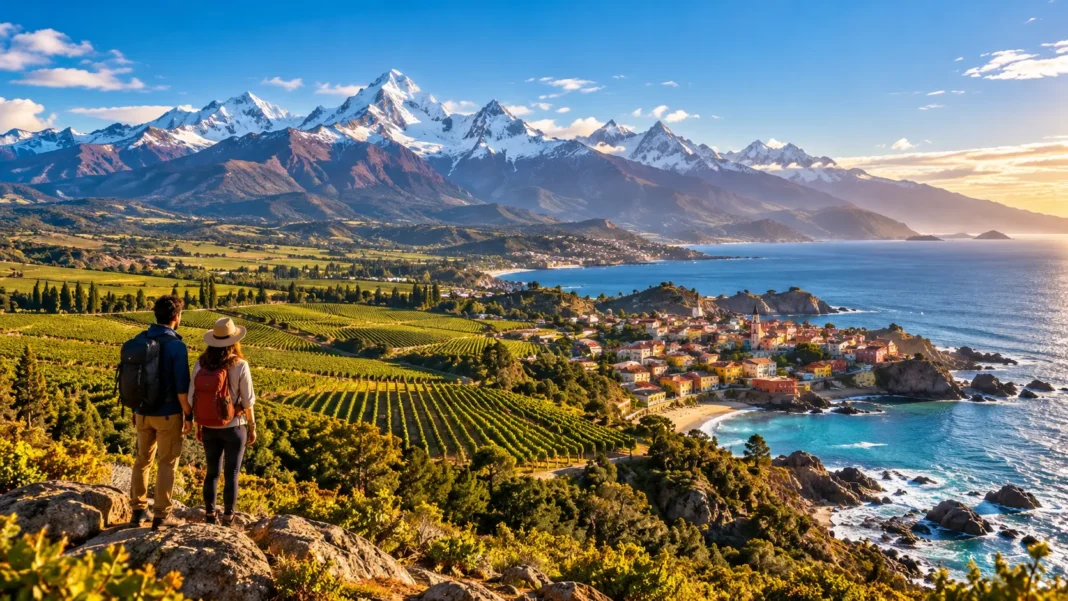
Chile is one of South America’s most fascinating travel destinations, offering breathtaking landscapes, vibrant cities, stunning beaches, and unforgettable outdoor adventures. From the dry Atacama Desert in the north to the glaciers and mountains of Patagonia in the south, the country provides incredible experiences throughout the year. However, choosing the best time to visit Chile depends on your preferred destinations, weather expectations, and travel activities.
Chile’s unusual geography creates significant climate differences between regions, making seasonal planning especially important. While summer offers excellent conditions for exploring Patagonia, winter attracts visitors to the snow-covered Andes Mountains, and spring brings beautiful scenery across central Chile. This guide explains Chile’s weather, seasons, ideal travel months, and essential tips to help you plan an enjoyable holiday.
Best Time to Visit Chile for Ideal Weather
The best time to visit Chile generally falls between October and April, when many destinations experience warmer temperatures and favorable outdoor conditions. However, the ideal months depend heavily on which regions you want to explore. November and March are particularly appealing because they offer pleasant weather, beautiful landscapes, and fewer tourists than the busiest summer holiday period.
Travelers interested in Patagonia usually prefer December through March, when daylight hours are longer and many hiking routes become more accessible. Meanwhile, Santiago, Valparaíso, and central Chile are particularly enjoyable during spring and autumn. These seasons provide comfortable sightseeing conditions while avoiding the strongest summer heat and the cooler, wetter conditions associated with winter.
For visitors seeking a combination of city exploration, scenic landscapes, and outdoor activities, November is an excellent option. March is another rewarding month, especially for travelers interested in southern Chile and its spectacular natural attractions. By understanding seasonal differences, visitors can create an itinerary that matches their interests while avoiding unnecessary weather-related inconveniences.
Understanding Chile’s Weather and Climate
Chile stretches more than 4,000 kilometers along South America’s western coastline, creating remarkably diverse weather conditions from north to south. The northern regions feature dry deserts and dramatic temperature changes, while central Chile experiences a Mediterranean climate with warm summers and cooler winters. Southern Chile is generally wetter, with forests, lakes, mountains, and colder conditions toward Patagonia.
Because Chile lies in the Southern Hemisphere, its seasons are opposite those experienced in Europe and North America. Summer lasts from December through February, autumn from March through May, winter from June through August, and spring from September through November. Understanding this seasonal difference is particularly important when planning international holidays around specific outdoor activities.
Weather conditions also vary considerably according to altitude and proximity to the Pacific Ocean. Coastal destinations often experience cooler temperatures than inland valleys, while mountainous areas may remain cold even during summer. Travelers visiting several regions should prepare for changing weather and avoid assuming that conditions in Santiago will resemble those in Patagonia or the Atacama Desert.
Visiting Chile in Summer: December to February
Summer is Chile’s most popular travel season, particularly for tourists interested in Patagonia, national parks, and outdoor adventures. Central Chile experiences warm, mostly dry conditions, with daytime temperatures in Santiago frequently reaching approximately 30°C. Southern destinations become more accessible as daylight hours increase, creating excellent opportunities for sightseeing, photography, and exploring spectacular natural landscapes.
December offers a particularly attractive balance between improving summer weather and somewhat smaller crowds compared with January and February. Popular destinations such as Torres del Paine National Park, the Lake District, and southern coastal areas welcome visitors seeking outdoor experiences. However, travelers should remember that Patagonia can remain windy, cool, and unpredictable even during the warmest months.
January and February represent peak holiday season, bringing increased demand for accommodation, transportation, and popular excursions. Coastal destinations, national parks, and major tourist attractions can become noticeably busier during these months. Booking accommodation early and allowing flexibility for changing weather conditions can make summer travel more enjoyable, especially when exploring remote southern regions.
Visiting Chile in Autumn: March to May
Autumn is one of the most attractive seasons for discovering Chile’s natural beauty, cultural attractions, and changing landscapes. March often retains comfortable temperatures across central Chile, while Patagonia begins transitioning toward cooler weather. Travelers can enjoy scenic drives, historic neighborhoods, and outdoor attractions with fewer visitors than during the busiest summer holiday weeks.
April brings beautiful autumn colors to southern forests, lakeside towns, and mountainous landscapes, creating excellent opportunities for photography and peaceful sightseeing. Santiago and surrounding valleys generally experience pleasant daytime conditions, although evenings become cooler. Visitors interested in architecture, traditional communities, and countryside exploration often find autumn particularly rewarding because popular destinations feel calmer.
By May, rainfall becomes more frequent across central and southern Chile, while temperatures decrease as winter approaches. Some seasonal tourism services in Patagonia may operate reduced schedules or close temporarily during this period. Nevertheless, autumn remains appealing for visitors who prioritize cultural experiences, quieter destinations, and comfortable sightseeing over extended mountain adventures.
Visiting Chile in Winter: June to August
Winter transforms Chile into an attractive destination for travelers interested in snowy mountain landscapes and seasonal activities. The Andes Mountains receive snowfall, creating opportunities for skiing and other organized winter recreation at established mountain resorts. Popular areas near Santiago, including Valle Nevado and Farellones, attract visitors seeking dramatic alpine scenery and winter holiday experiences.
June generally marks the beginning of the winter season, although snowfall and resort opening dates vary depending on annual weather conditions. July and August frequently provide favorable snow conditions in established skiing regions, but mountain storms can occasionally affect transportation and accessibility. Travelers should check official resort updates and local forecasts before arranging mountain excursions.
Central Chile experiences cooler temperatures and increased rainfall during winter, while southern regions may face snow, ice, and challenging travel conditions. Northern destinations such as the Atacama Desert can still offer sunny daytime weather, although nights become extremely cold. Visitors who prefer cities, museums, and quieter cultural attractions can also enjoy Chile during winter with appropriate clothing.
Visiting Chile in Spring: September to November
Spring brings refreshing temperatures, blooming landscapes, and improving weather across many parts of Chile. September marks the beginning of seasonal warming, although southern regions can remain chilly and unpredictable. Central destinations gradually become greener, making spring an appealing period for travelers interested in sightseeing, outdoor photography, and exploring Chile’s beautiful valleys.
October is particularly attractive for visiting Santiago, Valparaíso, and surrounding natural attractions because temperatures generally become comfortable without reaching peak summer levels. Visitors can enjoy walking tours, coastal viewpoints, colorful neighborhoods, and local cultural experiences. Some southern destinations also become more accessible as winter conditions gradually improve and tourism services prepare for the approaching summer season.
November is among the best months to visit Chile for travelers seeking a combination of favorable weather and manageable crowds. Patagonia begins welcoming more outdoor enthusiasts, while central Chile offers warm afternoons and pleasant evenings. Booking popular activities in advance remains worthwhile, especially toward the end of the month when summer tourism begins increasing.
Best Time to Visit Patagonia and Torres del Paine
Patagonia is one of Chile’s most spectacular regions, famous for dramatic mountains, glaciers, turquoise lakes, and extraordinary wilderness. The best time to visit Chilean Patagonia generally falls between November and March, when daylight hours are longer and many outdoor routes become more accessible. December through February usually provides the broadest availability of visitor services and guided excursions.
Torres del Paine National Park is particularly popular during summer because its famous landscapes become easier to explore under relatively favorable seasonal conditions. Visitors can admire granite peaks, glaciers, and scenic lakes while experiencing the region’s remarkable biodiversity. However, strong winds, sudden rainfall, and rapid temperature changes remain common throughout the year, even during sunny summer days.
March can be an excellent alternative for travelers seeking fewer visitors and beautiful early autumn scenery. Some trekking routes remain accessible, although shorter daylight hours and changing weather require careful planning. Visitors should confirm current trail restrictions, accommodation availability, and park regulations before traveling, especially when planning longer walks or overnight stays.
Best Time to Visit the Atacama Desert
The Atacama Desert is one of Chile’s most extraordinary destinations, featuring dramatic rock formations, salt flats, colorful lagoons, and remarkable night skies. It can be visited throughout the year, although April through June and September through November are particularly attractive for comfortable daytime exploration. These periods often provide clear conditions and opportunities to experience the desert’s fascinating natural attractions.
San Pedro de Atacama serves as a popular starting point for discovering the Valle de la Luna, El Tatio geysers, and surrounding high-altitude landscapes. Daytime temperatures can feel comfortable, but nights may become extremely cold, particularly at higher elevations. Travelers should bring warm clothing, sun protection, and suitable footwear to prepare for significant temperature differences.
January and February can bring seasonal rainfall to the Andean highlands, sometimes described as the Altiplanic winter. Although the desert itself remains extremely dry, heavy rainfall in mountain areas may disrupt roads and access to certain attractions. Visitors planning excursions should check local weather forecasts, follow experienced guides, and allow flexibility when exploring remote locations.
Best Time to Visit Santiago and Central Chile
Santiago, Chile’s capital, offers an appealing combination of modern neighborhoods, cultural attractions, historic architecture, and spectacular mountain views. The best time to visit Santiago is generally during spring and autumn, particularly September through November and March through April. These months often provide comfortable temperatures for exploring museums, parks, traditional markets, and popular city landmarks.
Summer can become quite hot in Santiago, especially during January and February when afternoon temperatures frequently approach or exceed 30°C. Visitors interested in walking tours may prefer starting their activities earlier in the day or exploring indoor attractions during warmer afternoons. Winter brings cooler weather and occasional rainfall, although clear days can reveal impressive snow-covered Andean scenery.
Nearby destinations such as Valparaíso and Viña del Mar are also attractive during spring, summer, and early autumn. Valparaíso is famous for its colorful hillside neighborhoods, historic funiculars, and distinctive street art, while Viña del Mar offers coastal scenery and relaxing seaside attractions. Travelers can combine these cities with Santiago to experience Chile’s urban culture and Pacific coastline.
Best Time to Explore Chile’s Lake District
Chile’s Lake District is a beautiful region filled with volcanoes, forests, lakes, waterfalls, and charming lakeside communities. The best time to visit generally falls between December and March, when temperatures become warmer and outdoor conditions are relatively favorable. Popular destinations such as Puerto Varas, Frutillar, and Pucón attract visitors interested in natural scenery and peaceful holiday experiences.
Summer provides excellent opportunities for lake excursions, scenic drives, and visiting national parks, although rainfall remains possible even during the warmest months. Travelers can admire the impressive Osorno Volcano, explore picturesque lakeside towns, and discover regional traditions. Many visitors particularly enjoy the contrast between snow-covered mountain peaks, green forests, and clear blue lakes.
March and early April can also provide attractive conditions for exploring the Lake District while avoiding the busiest holiday period. Autumn colors create beautiful scenery, particularly around forested valleys and lakeshore communities. However, rainfall generally becomes more frequent as the season progresses, making waterproof clothing and flexible outdoor plans important for a comfortable visit.
Best Time to Visit Easter Island (Rapa Nui)
Rapa Nui, commonly known as Easter Island, is one of Chile’s most fascinating destinations because of its archaeological heritage and remote Pacific Ocean setting. The island enjoys a subtropical maritime climate, with relatively mild temperatures throughout the year. December through March is especially popular because warmer conditions make sightseeing and coastal activities appealing.
February is a particularly interesting month because the island traditionally celebrates the Tapati Rapa Nui festival, showcasing local culture, music, artistic traditions, and community activities. This period attracts additional visitors, so accommodation and flights can become more expensive. Travelers interested in cultural experiences should research festival dates carefully because celebrations and schedules can change between years.
For those seeking fewer tourists, April, May, October, and November can offer rewarding alternatives to the busiest summer months. Rainfall remains possible throughout the year, but sightseeing opportunities are generally available across different seasons. Visitors should prepare for occasional showers, respect protected archaeological sites, and follow local regulations while exploring the island’s remarkable heritage.
Cheapest Time to Visit Chile and Essential Travel Tips
The cheapest time to visit Chile varies by region because tourism demand changes significantly throughout the country. March through May and September through November often provide better accommodation value in destinations outside major holiday periods. However, winter can be expensive near popular ski resorts, while summer generally brings higher prices in Patagonia and major coastal destinations.
Booking flights, accommodation, and transportation in advance can help travelers control expenses, especially when visiting remote destinations with limited availability. Domestic flights are useful for covering Chile’s considerable distances, while buses provide transportation between many cities and towns. Planning a realistic itinerary is essential because traveling between northern deserts, central cities, and southern Patagonia can require substantial time.
Packing for different climates is equally important when exploring several Chilean regions during one holiday. Lightweight clothing and sunscreen are useful in warmer areas, while waterproof jackets and insulating layers are essential for southern destinations. Travelers should also check current entry requirements, national park regulations, regional weather forecasts, and transportation schedules before departure to minimize unexpected travel difficulties.
Conclusion
The best time to visit Chile depends on which destinations you want to experience and the activities you enjoy most. For travelers exploring several regions, November and March offer an appealing combination of comfortable weather, beautiful scenery, and comparatively manageable crowds. These months often provide opportunities to discover Chile’s cultural attractions, natural landscapes, and outdoor experiences without the busiest summer conditions.
December through February is generally ideal for exploring Patagonia and Chile’s Lake District, while spring and autumn provide excellent conditions for visiting Santiago and central Chile. The Atacama Desert remains attractive throughout much of the year, although seasonal weather changes can affect high-altitude excursions. Winter is particularly suitable for enjoying snowy Andean landscapes and established mountain resorts.
Whether you dream of exploring vast deserts, admiring Patagonian glaciers, discovering colorful coastal cities, or experiencing Chile’s rich cultural heritage, thoughtful seasonal planning can make your journey more enjoyable. Consider regional climate differences and allow flexibility when arranging outdoor activities. With the right preparation, Chile offers unforgettable travel experiences throughout the year.
Frequently Asked Questions (FAQs)
What is the best month to visit Chile?
November and March are among the best months to visit Chile because many regions enjoy pleasant weather and relatively manageable tourist crowds. However, December through February is generally better for exploring Patagonia.
What is the hottest month in Chile?
January is typically one of Chile’s hottest months, particularly in Santiago and central inland regions. Daytime temperatures can exceed 30°C, while coastal and southern destinations generally experience cooler conditions.
What is the best time to visit Chilean Patagonia?
December through February offers the longest daylight hours and broad availability of hiking routes and tourist services in Patagonia. November and March can also be attractive for travelers seeking fewer crowds.
Is Chile expensive for tourists?
Chile can be relatively expensive compared with some other South American destinations, especially in Patagonia and remote areas. Traveling during shoulder seasons, booking early, and choosing affordable accommodation can help manage expenses.
How many days are enough to visit Chile?
Ten to fourteen days can provide enough time to explore several major Chilean destinations. Travelers hoping to visit Santiago, the Atacama Desert, Patagonia, and additional regions may benefit from two to three weeks.