


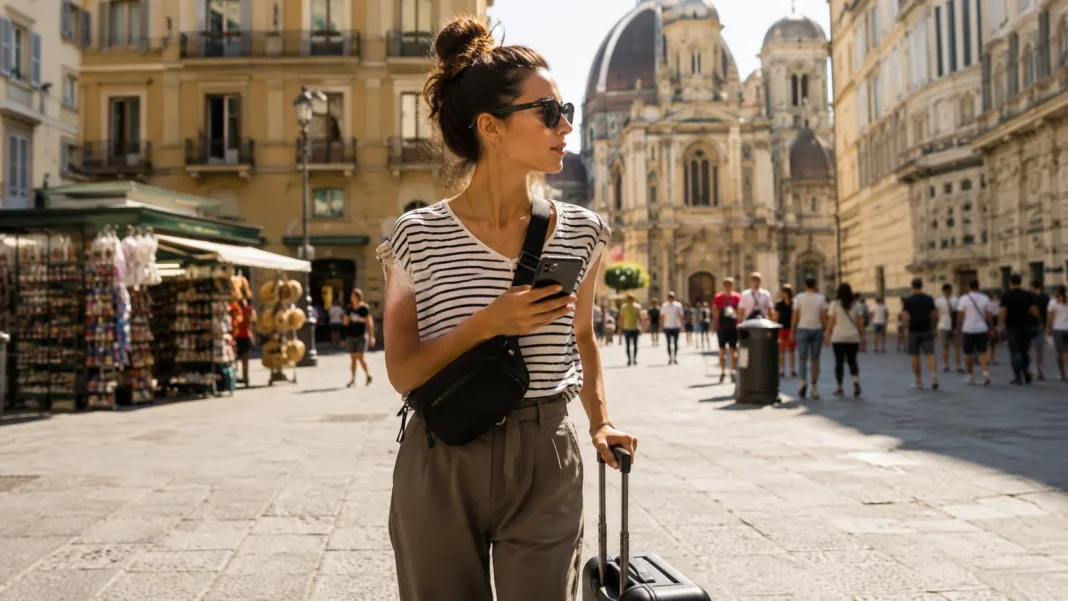
Smart Travel Safety Tips for a Secure Trip Abroad
Traveling internationally can be one of the most rewarding experiences you have, but being in an unfamiliar country naturally requires a little more awareness and preparation. Different languages, transportation systems, laws, currencies, and cultural expectations can create situations you may not encounter at home. Learning how to stay safe while traveling abroad does not mean approaching every destination with fear. It means preparing for common risks so you can explore confidently and focus more of your attention on enjoying the journey.
Most travel problems are easier to manage when you think about them before departure. Knowing where you will stay, how you will reach your accommodation, how you will access money, and whom you would contact during an emergency removes unnecessary uncertainty. Simple preparations such as saving document copies, researching common scams, and understanding local transportation can prevent small problems from turning into major disruptions. A good international travel safety plan should feel practical rather than complicated.
Personal safety also depends heavily on awareness. Tourists sometimes become easy targets for theft or scams because they are distracted by maps, phones, luggage, or unfamiliar surroundings. You do not need to constantly look over your shoulder, but remaining aware of your belongings and environment is especially important in crowded transportation hubs, markets, nightlife districts, and major tourist attractions. The more comfortable you become navigating a destination, the easier this awareness feels.
Cultural understanding is another important part of safe international travel. Laws and social expectations can differ significantly between countries, and behavior considered harmless at home may create problems elsewhere. Learning about local customs, dress expectations, photography restrictions, transportation norms, and basic legal requirements helps you avoid unnecessary misunderstandings. Respectful travelers are also more likely to have positive interactions with residents and local businesses.
The goal of travel safety is ultimately freedom rather than restriction. When your documents are secure, accommodation is carefully chosen, transportation is planned, and emergency information is available, you can explore with greater confidence. The following strategies cover the most important areas travelers should consider before and during an international trip, including documents, money, scams, accommodation, transportation, health, digital security, and emergency preparation.
Research Your Destination Before You Leave
Research is one of the simplest ways to reduce travel uncertainty before entering another country. Learn about the neighborhoods you plan to visit, the transportation system, local currency, weather, common tourist areas, cultural expectations, and any practical concerns specific to the destination. This gives you a basic mental map before arrival and makes it easier to recognize when something seems unusual. Good travel safety preparation starts with understanding where you are going rather than trying to figure everything out after landing.
Pay particular attention to how you will move between airports, hotels, attractions, and transportation stations. Know whether official taxis, trains, buses, ride-hailing services, or hotel transfers are commonly used. Travelers are often most vulnerable to confusion immediately after arrival because they are tired, carrying luggage, and unfamiliar with local pricing. Having a clear airport transfer plan can prevent you from accepting transportation from an unreliable provider simply because you are unsure what to do.
Research neighborhoods before booking accommodation as well. A hotel may appear close to attractions on a map while still being inconvenient for walking or poorly connected after dark. Read recent traveler reviews for comments about transportation, noise, street activity, and the general surroundings. Look at what is nearby, such as restaurants, pharmacies, supermarkets, and public transportation. A well-connected location can make the entire trip easier and reduce unnecessary late-night travel.
Learn about common scams reported in the destination without assuming everyone you meet is trying to deceive you. Tourist scams often follow recognizable patterns involving fake tickets, unofficial taxis, distraction theft, overly helpful strangers, inflated prices, or pressure to buy something quickly. Knowing the most common techniques makes them easier to recognize. The goal is awareness, not suspicion toward ordinary local people who may genuinely be trying to help.
Finally, understand basic local rules and customs. Research important laws, acceptable behavior, alcohol regulations, dress expectations, photography restrictions, and anything else that could affect visitors. This becomes particularly important when visiting countries with laws significantly different from those at home. A few minutes of preparation can help you avoid uncomfortable misunderstandings and make your first days abroad safer and more comfortable.
Keep Your Passport and Travel Documents Secure
Your passport is one of the most important items you carry while traveling internationally, so protecting it should be a priority. Avoid placing it in easily accessible outside pockets or leaving it unattended in public places. Once you reach your accommodation, decide whether you need to carry it during the day or whether another secure arrangement is more appropriate. Requirements can vary by destination, so understand local identification rules before leaving important documents behind.
Create digital copies of your passport information page, visas, travel insurance, flight information, and major accommodation bookings. Store them somewhere secure that you can access even if your physical documents disappear. You can also keep a paper copy separate from the original. Copies will not replace an official passport, but they can help establish your identity and provide useful information if you need assistance from authorities or your embassy.
Do not keep every important item in one wallet or bag. If your passport, bank cards, cash, and phone are all stored together, losing one bag can create several problems at once. Distribute essential items sensibly so you retain access to money and identification even if something goes missing. A backup payment card stored separately can be particularly valuable during international travel.
Be careful when handing your passport to another person. Hotels, immigration officials, transportation operators, and certain authorized businesses may legitimately need to examine identification, but you should still pay attention to where the document goes. Avoid leaving passports as informal deposits when another reasonable option exists. If someone unexpectedly requests your passport, understand why it is needed before handing it over.
Know what you would do if your passport were lost or stolen. Keep the contact details of your relevant embassy or consulate accessible and understand that replacement procedures may take time. Reporting theft promptly may also be necessary depending on the circumstances. Preparing for this possibility does not make it more likely to happen; it simply means you will know how to respond instead of trying to research everything during a stressful situation.
Protect Your Money and Payment Cards
Managing money safely abroad requires a little more planning than simply carrying your usual wallet. Ideally, travel with more than one payment method so a lost card, technical problem, or merchant restriction does not leave you without access to funds. A combination of cards and a modest amount of local cash usually provides useful flexibility. Keep backup payment methods separate from the wallet you use every day.
Avoid carrying large amounts of cash unnecessarily. Take only what you expect to spend during the day and keep additional money securely stored when appropriate. In crowded areas, use bags and wallets that make casual access difficult. Pickpocketing often depends on distraction rather than confrontation, so awareness is especially important on crowded trains, buses, markets, and streets near major attractions.
Use reputable ATMs located in secure, well-used places such as banks, airports, or established shopping areas when possible. Be cautious around machines that appear damaged, unusual, or poorly maintained. Shield your PIN and avoid allowing strangers to “help” with transactions. If an ATM behaves unexpectedly or retains your card, contact the bank rather than accepting assistance from someone nearby.
Check your bank accounts occasionally while traveling so suspicious transactions can be noticed quickly. Enable transaction alerts if available and know how to contact your card provider from abroad. Keep important phone numbers somewhere other than inside the wallet containing the cards. This allows you to respond quickly if a card disappears or you notice unfamiliar charges.
Currency exchange also deserves attention. Research approximate exchange rates before arriving so you understand what local prices mean. Use established exchange providers when cash conversion is necessary and check fees before agreeing to transactions. Good travel money safety is less about avoiding spending and more about maintaining control over where your money is, how it is accessed, and what you are paying.
Choose Safe and Well-Located Accommodation
Accommodation affects your safety every morning and evening, making location just as important as price. Look for hotels, hostels, guesthouses, or rentals in areas that are well connected to transportation and the places you expect to visit. A slightly more expensive room in a convenient neighborhood may be a better overall choice than a cheaper property that requires isolated walks or expensive late-night transportation.
Read recent reviews with safety in mind rather than focusing only on overall ratings. Search for comments about room locks, reception staff, building entrances, lighting, surrounding streets, transportation, and nighttime experiences. One negative review does not necessarily indicate a serious problem, but repeated complaints about the same security issue deserve attention. Recent feedback is especially useful because management and neighborhood conditions can change over time.
Check practical security features before booking. Useful considerations include controlled entrances, functioning room locks, staffed reception, secure luggage storage, appropriate lighting, and clear emergency exits. Vacation rentals should provide clear check-in instructions and a reliable way to contact the host or manager. No property can guarantee complete safety, but good management and sensible access controls reduce unnecessary risks.
When you arrive, take a few minutes to inspect the room. Make sure doors and windows close properly, locate emergency exits, and understand how to reach reception or the property manager. If something important appears damaged or insecure, report it immediately rather than assuming it will be fine. Request another room or consider alternative accommodation if a serious issue is not resolved.
Solo travelers may want to pay extra attention to accessibility and after-dark transportation. A hotel that allows you to return using busy streets or reliable public transport can make evenings much easier. Share the accommodation name and general itinerary with someone you trust when appropriate. Choosing safe places to stay while traveling gives you a secure base from which the rest of the trip becomes easier to manage.
Stay Alert in Crowded Tourist Areas
Crowded places create opportunities for distraction-based theft because travelers are often focused on signs, cameras, tickets, or other people. Train stations, markets, public squares, festivals, and famous attractions can be particularly busy. Keep bags closed, avoid placing phones or wallets in easily accessible pockets, and pay attention when strangers create sudden distractions. Awareness is usually more useful than visibly acting nervous.
Carry bags in a way that allows you to maintain control in crowded environments. Backpacks can be convenient, but you may want to reposition them in extremely busy spaces. Avoid hanging valuables from outer compartments where they can be reached without your knowledge. Crossbody bags and zipped compartments can make casual theft more difficult while still allowing you to access what you need.
Be cautious when someone suddenly spills something on you, tells you there is a problem with your clothing, or creates an unusual scene nearby. Many incidents are completely innocent, but distraction is a common technique used in petty theft. Check your belongings before becoming fully focused on the interruption. The same principle applies when several people approach you at once with questions, petitions, or unexpected offers.
Avoid displaying large amounts of cash or expensive items unnecessarily. Taking photographs and using your phone is normal, but leaving expensive devices unattended on café tables or holding them carelessly near busy roads can increase risk. Use technology normally while remaining aware of the environment around you. A few simple habits can make tourist safety abroad much easier without interfering with your enjoyment.
If a crowded environment begins to feel uncomfortable, move somewhere calmer and reorganize your belongings before continuing. Trying to search through bags while standing in the middle of a busy station can make you more distracted. Step aside, check directions, and confirm tickets somewhere secure. Taking a minute to get organized often prevents rushed decisions and helps you travel more confidently.
Learn How to Recognize Common Travel Scams
Travel scams vary by destination, but many rely on the same basic principles: urgency, distraction, confusion, pressure, or an offer that seems unusually generous. Someone may claim an attraction is closed, offer an unofficial transportation service, insist you must purchase a special ticket, or pressure you to buy something before you have time to think. Recognizing these patterns makes it easier to pause and verify information.
Be cautious when a stranger tries to redirect you away from an official entrance, ticket counter, transportation queue, or business. If someone claims a station, attraction, or hotel is unavailable, verify it independently rather than immediately following them elsewhere. Official staff and signs are usually better sources of information. A few seconds of confirmation can prevent expensive mistakes.
Transportation scams can involve unofficial taxis, altered meters, inflated prices, or drivers claiming your hotel is closed and suggesting another property. Research typical transportation options before arriving and use official queues or trusted apps where appropriate. Confirm pricing or meter use before starting the journey when local practices allow it. Having your destination saved on a map can also help you understand whether the route appears reasonable.
Avoid handing money or payment cards to people who create unnecessary urgency. Take time to review charges and understand what you are purchasing. If someone becomes aggressive because you are asking questions or refusing to decide immediately, walking away is often the best response. Legitimate businesses generally allow customers enough time to understand the transaction.
Remember that learning about common tourist scams should make you more confident, not suspicious of every friendly interaction. Most people you meet while traveling are simply going about their lives, and many will be genuinely helpful. The goal is to recognize manipulative patterns while remaining open to the positive interactions that make international travel meaningful.
Use Transportation Safely
Transportation can be confusing in an unfamiliar country, especially immediately after arriving. Research official airport transportation before departure so you know whether you plan to use a train, bus, taxi, transfer service, or ride-hailing app. Avoid making the decision for the first time while tired and surrounded by people offering rides. A clear arrival plan makes the first hours of your trip far easier.
When using taxis, follow established local practices. Use official taxi ranks when available, and understand whether fares are normally metered, prepaid, or negotiated. Ride-hailing apps may provide additional transparency in destinations where they operate legally. Before entering an unfamiliar vehicle, confirm that the driver and vehicle match any booking information provided by the service.
Public transportation is generally an efficient way to explore cities, but crowded trains and buses require awareness of personal belongings. Keep phones, wallets, and passports secure, particularly when boarding or leaving crowded vehicles. Know your stop in advance so you are not standing beside the doors distracted by your phone at the last moment. Offline maps can be useful when mobile service is unreliable.
Be especially careful when traveling late at night in unfamiliar areas. Check when public transportation stops running and have a backup plan before going out. If you are unsure about walking back to your accommodation, ask hotel staff about transportation options or use a reputable service. Spending a little extra for convenient transportation can be worthwhile when the alternative feels uncomfortable.
Road rules also vary significantly between countries. If renting a car or scooter, research licensing requirements, insurance, driving customs, and road conditions first. Do not assume that experience driving at home automatically prepares you for every destination. Travel transportation safety depends on understanding local systems rather than expecting them to operate exactly like those you already know.
Be Careful With Food, Water and Your Health
Health preparation is an important part of travel safety because unfamiliar environments can expose you to different food, water, climate, and medical conditions. Before departure, research whether there are destination-specific health recommendations relevant to your trip. Travelers with regular medication should bring an adequate supply and understand any rules that apply to carrying prescription medicines internationally.
Food is one of the best parts of international travel, and sensible choices allow you to enjoy it without becoming overly cautious. Choose restaurants and food stalls that appear busy, maintain reasonable hygiene, and handle ingredients appropriately. Freshly prepared food is often preferable to items that have been sitting for long periods. Use your judgment rather than assuming that inexpensive local food is automatically unsafe.
Water quality varies by destination, so research whether tap water is commonly considered suitable for visitors. If it is not, use appropriate bottled or treated water and remember that ice or uncooked foods may also involve water. Staying hydrated becomes particularly important in hot climates, during long sightseeing days, and at higher altitudes.
Protect yourself from weather-related problems as well. Sunscreen, hats, suitable clothing, hydration, and rest can prevent heat from ruining a trip, while cold destinations require proper layers and footwear. Jet lag and long travel days can also leave you more tired than expected. Give yourself enough time to sleep and recover rather than scheduling intense activities immediately after arrival.
Know how you would access medical assistance if necessary. Keep travel insurance information and relevant emergency contacts available, and understand whether your accommodation can help arrange medical services. Most trips will not involve serious health issues, but a little preparation makes problems easier to manage. Staying healthy while traveling abroad helps protect both your safety and your ability to enjoy the vacation.
Protect Your Phone and Personal Data
Your phone often contains boarding passes, banking apps, maps, photographs, accommodation details, and access to important accounts, making digital security part of modern travel safety. Use a strong screen lock and enable device-tracking or remote security features if available. Losing a phone is inconvenient, but losing an unlocked device containing sensitive information can create much larger problems.
Be thoughtful when using public Wi-Fi networks in airports, hotels, cafés, and transportation hubs. Avoid accessing highly sensitive accounts on unfamiliar networks when you have safer alternatives. Mobile data or other trusted connections may be preferable for banking and important transactions. Keep your phone and operating system updated before traveling so current security improvements are installed.
Back up important photographs and documents regularly during longer trips. If your phone is lost or damaged, a backup ensures your travel memories and essential information do not disappear with it. Keep copies of important reservations and travel documents in another secure location so you are not completely dependent on one device.
Avoid displaying your phone carelessly in places where opportunistic theft is common. Standing close to the edge of a road while holding an expensive device or leaving it unattended on a restaurant table can create unnecessary risk. Use your phone naturally but remain aware of how easily someone could access it in crowded environments.
Limit the amount of sensitive information visible from your lock screen. Message previews, authentication codes, and personal notifications may reveal more than necessary if the device is lost. A few minutes spent reviewing travel cybersecurity before departure can protect your money, accounts, and personal information throughout the journey.
Share Your General Travel Plans With Someone You Trust
Sharing basic itinerary details with a trusted person can provide an additional layer of security, particularly when traveling alone. This does not mean reporting every movement or constantly checking in. Simply sharing your accommodation, flight information, and general travel dates gives someone a starting point if they unexpectedly need to reach or locate you.
Update that person if your major plans change. If you move to another city earlier than expected or switch accommodation, send a brief message so the information they have remains useful. Travelers going into remote areas or participating in outdoor activities should consider sharing more specific details, including expected return times when appropriate.
Solo travelers may find occasional check-ins reassuring. A simple message at the end of the day can be enough, particularly during longer or more adventurous journeys. Choose a communication routine that supports your independence rather than making the trip feel monitored. The goal is practical backup, not constant reporting.
Keep emergency contacts stored both in your phone and somewhere accessible without it. This can include family members, insurance providers, accommodation contacts, and embassy or consular information relevant to your trip. If your phone is lost or damaged, you should still have a way to retrieve important numbers.
Sharing travel plans is especially useful when unexpected events disrupt transportation or communication. Someone at home who knows your intended route is better positioned to understand whether a lack of contact is unusual. It is a simple part of solo travel safety abroad and can also be useful for couples, families, and groups traveling in unfamiliar regions.
Trust Your Instincts Without Becoming Overly Fearful
Travel safety advice often focuses on rules, but personal judgment matters too. If a street, transportation option, business, or interaction makes you genuinely uncomfortable, you do not need to remain simply because you cannot explain exactly why. Move toward a populated area, enter a reputable business, contact your accommodation, or choose another transportation option. Changing plans is usually easier than ignoring a concern.
At the same time, distinguish unfamiliarity from actual danger. New places naturally look and feel different, and unfamiliar customs can initially make travelers uncertain. Research and observation help you understand what is normal in the destination. Asking hotel staff or local professionals for practical advice can also help you determine whether a situation is genuinely concerning or simply different from what you know.
Alcohol can reduce awareness and decision-making, so know your limits when enjoying nightlife abroad. Keep control of your drinks, stay aware of how you will return to your accommodation, and avoid becoming separated from travel companions without a plan. If you are traveling alone, extra caution around unfamiliar nightlife environments can be sensible.
Do not allow embarrassment to keep you in an uncomfortable situation. Travelers sometimes hesitate to leave because they worry about appearing rude, wasting money, or offending someone. Your safety is more important than completing a transaction or remaining somewhere that feels wrong. You can politely end an interaction and move on without providing a detailed explanation.
Confidence grows naturally as you spend more time traveling. What feels overwhelming on the first day may feel completely normal by the end of the trip. Safe travel abroad is about combining preparation with common sense, awareness, and the flexibility to change plans when necessary. These habits allow you to stay cautious without allowing fear to dominate the experience.
Prepare for Emergencies Before They Happen
Emergency preparation should happen before you need it. Save local emergency numbers, accommodation contacts, travel insurance details, and relevant embassy or consular information somewhere easily accessible. Emergency numbers vary between countries, so do not assume the number you use at home will work everywhere. Knowing where to find this information can save valuable time during a stressful situation.
Understand what your travel insurance covers and how to contact the provider. Policies can differ significantly in relation to medical emergencies, cancellations, baggage problems, evacuation, and other situations. Keep your policy details accessible and know whether the insurer has specific procedures you are expected to follow when seeking assistance.
Maintain a small financial backup that is separate from your normal daily spending. If your wallet is lost, transportation is canceled, or you unexpectedly need another hotel, emergency funds can give you options. A backup card or alternative access to money can be equally important. Flexibility often becomes one of the most valuable forms of protection during unexpected travel disruptions.
Know your accommodation address and general location even if you normally rely on phone navigation. Keep a screenshot or written version available offline so you can show it to a driver or ask for directions if your phone loses service. The same applies to important transportation stations and meeting points. Small offline backups make technology failures much less disruptive.
Most travelers never face a serious emergency abroad, but preparation makes even minor problems easier to handle. The objective is not to imagine every possible disaster. It is to create a few simple backups for documents, money, communication, healthcare, and transportation. A basic travel emergency plan gives you confidence because you know you have options when something unexpected happens.
Final Thoughts on Staying Safe While Traveling Abroad
Learning how to stay safe while traveling abroad is primarily about preparation, awareness, and good decision-making rather than avoiding unfamiliar experiences. Research your destination, understand local transportation, choose accommodation carefully, protect your documents, and know how you will manage money. These simple preparations remove many common sources of uncertainty before your journey even begins.
Once you arrive, remain aware of your environment without allowing safety concerns to dominate the trip. Keep belongings secure in crowded areas, recognize common scam techniques, and use reputable transportation services. Most of these habits quickly become automatic and require very little effort once you have practiced them for a few days.
Protecting your health and digital information is equally important. Understand local water and food considerations, carry necessary medication, protect yourself from weather, and keep insurance details accessible. Secure your phone, back up important information, and avoid becoming completely dependent on one device for every aspect of your journey.
Travelers should also remain flexible enough to change plans. If transportation feels unreliable, accommodation does not meet reasonable expectations, or a situation makes you seriously uncomfortable, choose another option when possible. Saving a little money or preserving a schedule is rarely worth ignoring a legitimate safety concern.
International travel becomes more enjoyable as your confidence grows. Good preparation allows you to explore new cultures, foods, neighborhoods, and landscapes while managing common risks sensibly. Stay informed, respect local customs, keep important backups, and trust your judgment. The purpose of international travel safety is not to limit your adventure but to help you experience it with greater confidence and peace of mind.
What is the safest way to carry money while traveling abroad?
Carry a limited amount of daily cash and use more than one payment method when possible. Keep backup cards or emergency money separate from your everyday wallet so losing one item does not leave you without access to funds.
How can I keep my passport safe while traveling?
Store your passport securely, carry it only when necessary under local rules, and keep digital and physical copies separate from the original. Avoid leaving it unattended or inside easily accessible bag pockets.
How can I avoid scams while traveling internationally?
Research common scams before arrival, use official transportation and ticket sources, verify unexpected claims independently, and avoid making rushed payments. Be cautious when strangers create urgency or try to redirect you away from official services.
Is it safe to use public transportation abroad?
Public transportation is widely used by travelers, but you should protect belongings in crowded areas and understand local ticketing and operating hours. Plan late-night transportation in advance and use trusted alternatives when necessary.
What should I do in an emergency while traveling abroad?
Contact local emergency services when necessary and use your travel insurance, accommodation, or embassy contacts for additional help. Keep important numbers, document copies, emergency funds, and accommodation details available both online and offline.