


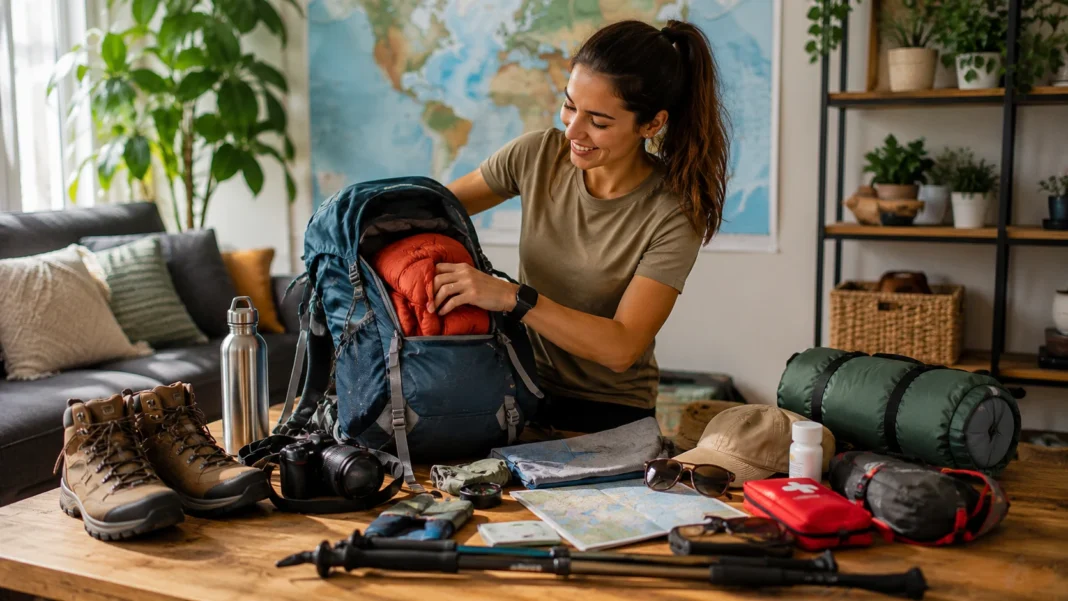
How to Prepare for an Adventure Tour
An adventure tour can be one of the most rewarding ways to travel because it takes you beyond ordinary sightseeing and puts you directly into the experience. Hiking through mountains, rafting a wild river, cycling through remote countryside, kayaking along a rugged coast, or trekking through a rainforest can create memories that are difficult to match with traditional tourism. However, adventure travel also requires more preparation because your comfort and safety often depend on how well you plan before departure.
Preparing properly does not mean removing every element of spontaneity. Instead, it means understanding the physical demands, weather conditions, equipment requirements, health considerations, and safety expectations of the activity you have chosen. The better prepared you are, the more confidently you can focus on the experience itself instead of worrying about avoidable problems once the tour begins.
Adventure tour preparation is also highly personal. A beginner joining a guided day hike may need only basic fitness and comfortable gear, while someone preparing for a multi-day mountain trek may need weeks of training, specialized clothing, travel insurance, and a carefully planned packing system. There is no single checklist that works for every trip, so understanding the specific tour should always come first.
This guide explains how to prepare for an adventure tour from the moment you book until the day you depart. It covers fitness, gear, packing, safety, weather, travel insurance, food, hydration, mental preparation, and other practical areas that can improve your experience. Whether you are planning your first adventure holiday or your next challenging expedition, thoughtful preparation can make the journey safer, smoother, and much more enjoyable.
Start by Understanding the Tour Difficulty
Before buying equipment or creating a packing list, study the activity level of your adventure tour carefully. Tour operators often use terms such as easy, moderate, challenging, strenuous, or expert, but these descriptions can mean different things depending on the company. Look for specific information about walking distance, elevation gain, terrain, activity duration, altitude, water conditions, and the number of physically demanding days.
Consider your current fitness level rather than the level you hope to reach before departure. If a tour requires six hours of hiking every day, ask yourself whether your body is already comfortable with prolonged activity. Being realistic at this stage can help you choose a suitable experience or identify areas where you need additional preparation before traveling.
Experience requirements matter as well. Some adventure tours are designed specifically for beginners, while others assume participants already understand activities such as climbing, kayaking, mountain biking, skiing, or technical trekking. Read the eligibility requirements carefully and contact the operator if any part of the description is unclear.
You should also consider how several smaller challenges combine. Heat, altitude, poor sleep, unfamiliar food, long transfers, and consecutive activity days can make a tour feel harder than one isolated workout at home. Preparing for the complete experience rather than one activity gives you a more realistic idea of what your body will need to handle.
Build Your Fitness Before the Trip
Physical preparation can make an enormous difference to how much you enjoy an adventure tour. You do not need to become an elite athlete, but your body should be comfortable with the type and duration of activity involved. Starting early gives your muscles, cardiovascular system, joints, and endurance enough time to adapt gradually rather than relying on intense last-minute training.
Match your training to the activity whenever possible. Hikers should spend time walking on varied terrain, cyclists should increase their time in the saddle, and paddlers can benefit from upper-body and core conditioning. General fitness helps, but activity-specific preparation usually creates greater confidence because your body becomes familiar with the movements required during the tour.
Strength training can also support adventure travel. Exercises targeting the legs, core, back, and shoulders can improve stability and reduce fatigue during activities such as hiking, carrying a backpack, cycling, or kayaking. Balance and mobility exercises may also be useful, particularly when the itinerary involves uneven trails or technical terrain.
Increase training gradually rather than suddenly doubling your activity before departure. Overtraining can lead to injuries that interfere with the trip itself. Building consistency over several weeks is generally more useful than completing a few extreme workouts. Your goal is to arrive feeling prepared and healthy, not exhausted from trying to prove your fitness beforehand.
Choose the Right Clothing for the Conditions
Clothing can directly affect your comfort during an adventure tour, especially when you will spend long periods outdoors. Begin by researching expected temperatures, rainfall, humidity, wind, sun exposure, and elevation. Conditions can change quickly in mountains, deserts, forests, and coastal environments, so pack for realistic variations rather than only the ideal forecast.
Layering is one of the most practical approaches for outdoor travel. A moisture-managing base layer, an insulating middle layer, and a protective outer layer allow you to adjust as temperatures change. This system is usually more flexible than relying on one heavy item of clothing and can help you stay comfortable during both activity and rest.
Avoid taking brand-new clothing that you have never tested during exercise. Seams, tight waistbands, poor ventilation, or uncomfortable materials may not seem problematic in a shop but can become irritating after several hours of movement. Wear your planned clothing during training sessions so you know how it performs in realistic conditions.
Sun and weather protection should also be considered. A hat, sunglasses, lightweight long sleeves, waterproof jacket, gloves, or warm hat may be necessary depending on the destination. Choosing functional clothing over purely fashionable options can reduce discomfort and allow you to focus on the scenery and activity instead of constantly adjusting what you are wearing.
Break In Your Footwear Before Departure
Footwear is one of the most important pieces of equipment for many adventure tours. Whether you need hiking boots, trail shoes, cycling shoes, water shoes, or another specialized option, comfort should matter more than appearance. Poorly fitting footwear can cause blisters, pressure points, sore feet, or even injuries that make the rest of the trip difficult.
Never save new adventure footwear for the first day of the tour. Wear it during several training sessions before traveling so your feet become familiar with the fit. This also gives you enough time to identify rubbing areas, test different socks, adjust lacing, or replace the footwear if it turns out to be unsuitable.
Think carefully about the terrain. Lightweight shoes may work perfectly for maintained trails, while rough mountain routes may require additional ankle support and stronger soles. Wet environments may benefit from quick-drying materials, while colder trips can require better insulation. Follow the operator’s recommendations because local guides understand the terrain better than generic packing advice.
Carry appropriate socks as well. Comfortable, moisture-managing socks can help reduce friction and improve temperature control. Pack enough pairs to keep your feet dry during multi-day trips, and consider carrying blister treatment in your personal first-aid supplies. Small foot problems are much easier to manage when addressed early.
Pack Light but Do Not Skip the Essentials
Adventure travelers often face a difficult balance between being prepared and carrying too much. Every unnecessary item adds weight, yet forgetting something important can create real problems in remote environments. Begin with the tour operator’s recommended packing list and then remove items that do not serve a clear purpose.
Think in terms of versatility. Clothing that can be layered or worn for multiple activities reduces the amount you need to pack. Lightweight travel towels, compact toiletries, reusable water bottles, and multipurpose accessories can also save space. If porters, luggage transfers, or vehicle support are provided, understand the weight limits before packing.
Separate essential items from optional comforts. Medication, identification, weather protection, activity-specific gear, water, safety items, and necessary documents should always take priority. Extra electronics, unnecessary clothing, multiple pairs of casual shoes, and heavy toiletries can usually be reduced if luggage space is limited.
Organize your bag so frequently needed items are easy to reach. Rain protection, snacks, sunscreen, a water bottle, gloves, or an extra layer should not be buried beneath everything else. Good packing is not only about reducing weight; it is also about making sure important equipment is accessible when conditions change quickly.
Use the Tour Operator’s Gear List as Your Main Guide
Adventure companies usually provide equipment recommendations based on the specific environment and activity. Treat this information as your primary packing reference because it is likely to be more relevant than a generic online checklist. Guides know whether trails are muddy, temperatures fall sharply at night, or special safety equipment is required.
Pay attention to which items are supplied by the operator and which you need to bring yourself. Helmets, life jackets, climbing harnesses, bicycles, trekking poles, wetsuits, tents, sleeping bags, or other equipment may be included depending on the tour. Confirming this beforehand prevents unnecessary purchases and duplicate luggage.
If rental equipment is available, decide whether renting or bringing your own is more practical. Frequent adventure travelers may prefer familiar personal gear, while beginners can save money and luggage space by renting specialist equipment locally. Check the quality and sizing arrangements before relying on rentals.
Do not substitute critical safety gear without understanding the requirements. An everyday backpack, casual shoe, or lightweight jacket may look similar to adventure equipment without performing the same way. When the operator specifies particular safety or weather standards, follow them carefully rather than treating the recommendations as optional.
Research the Weather and Seasonal Conditions
Weather can completely change an adventure experience, so research more than just average temperatures. Look at rainfall patterns, humidity, wind, daylight hours, snow conditions, seasonal storms, river levels, and other factors relevant to the activity. A destination may have pleasant daytime temperatures but become extremely cold after sunset or at higher elevations.
Mountain environments deserve particular attention because conditions can change within hours. A warm sunny morning can be followed by rain, strong wind, or dramatically lower temperatures higher on the trail. Carrying layers and waterproof protection gives you flexibility when the forecast does not perfectly match reality.
Seasonal conditions may also influence the difficulty of the activity. River rafting can vary with water levels, hiking trails may become muddy during rainy periods, and high mountain routes can retain snow even when lower areas are warm. Understanding these conditions helps you prepare the correct footwear, clothing, and expectations.
Check the weather again shortly before departure and follow operator guidance if conditions change. Professional adventure companies may modify routes or cancel activities when safety becomes a concern. Flexibility is an important part of adventure travel because nature does not adjust itself to match a fixed itinerary.
Prepare for Heat, Cold and Sun Exposure
Temperature-related problems can affect even physically fit travelers. Hot conditions increase the risk of dehydration, fatigue, and overheating, while cold environments can quickly become uncomfortable when clothing becomes wet. Proper preparation starts with understanding which risks are most likely during your particular adventure.
For hot environments, lightweight breathable clothing, regular hydration, sun protection, and planned rest are important. Avoid waiting until you feel extremely thirsty before drinking. Hats, sunglasses, and suitable sunscreen can also reduce prolonged sun exposure, particularly at high elevations where ultraviolet radiation may feel stronger.
Cold-weather adventures require effective layering and moisture management. Sweating heavily during activity and then stopping in cold air can cause body temperature to fall quickly. Carrying a warm layer for breaks and changing out of wet clothing when necessary can make a significant difference.
Do not underestimate cloudy or windy conditions. Sunburn can still occur when the sky is overcast, and wind can make temperatures feel much colder than the forecast suggests. Preparing for both extremes gives you more control over your comfort when outdoor conditions change unexpectedly.
Stay Hydrated Before and During the Tour
Hydration affects energy, concentration, physical performance, and recovery, making it especially important during adventure activities. Begin the trip properly hydrated rather than trying to compensate after several hours of strenuous movement. Long flights, alcohol, hot climates, and unfamiliar routines can all contribute to dehydration before the tour even begins.
Ask how water will be provided during the activity. Some operators supply drinking water, while others expect participants to carry enough themselves or use purification systems. Knowing this before departure helps you choose the correct bottle, hydration reservoir, or filtration method.
Your water needs may increase during heat, altitude, or sustained physical activity. Drinking regularly throughout the day is generally easier than consuming large quantities after you already feel exhausted. On longer or more demanding adventures, electrolytes may also be useful depending on conditions and individual needs.
Be careful with local water sources when traveling internationally. Follow guidance from your operator about what is safe to drink and how water should be treated. Safe hydration practices are much easier to manage when you understand the plan before entering remote areas.
Fuel Your Body With the Right Food
Adventure travel requires energy, and food becomes particularly important during long physical days. Balanced meals containing carbohydrates, protein, and healthy fats can support endurance and recovery. Eat enough to match the demands of the activity rather than trying to maintain your normal routine while suddenly becoming far more active.
Pack portable snacks when permitted. Energy bars, nuts, dried fruit, sandwiches, or other compact foods can help maintain energy between meals. Choose snacks you have eaten before rather than experimenting with unfamiliar products during an intense activity when digestive discomfort would be inconvenient.
Research what meals are included in the tour. Multi-day adventure packages may provide all food, while day trips may require you to bring lunch or purchase it along the route. Travelers with allergies, intolerances, religious dietary requirements, or other restrictions should communicate these needs before departure.
Hydration and nutrition work together. Skipping meals can reduce energy, while relying only on sugary snacks may lead to short bursts followed by fatigue. Consistent eating and drinking throughout active days can help you maintain concentration and enjoy the experience rather than simply trying to reach the finish.
Organize Travel Insurance for Adventure Activities
Standard travel insurance does not always cover every adventure activity, so read the policy carefully. Activities such as mountaineering, high-altitude trekking, scuba diving, white-water rafting, skiing, or technical climbing may require additional coverage. Never assume that purchasing general travel insurance automatically protects you during specialized activities.
Check whether medical treatment, emergency evacuation, trip interruption, lost equipment, and activity-related injuries are included. Emergency transportation from remote locations can be extremely expensive, which makes adequate coverage particularly important for wilderness or mountain adventures.
Altitude limits can also appear in some policies. A trekking route that rises above a certain elevation may fall outside standard coverage even if hiking itself is included. Compare the maximum altitude on your itinerary with the wording of your insurance policy before traveling.
Keep your policy details and emergency contact information accessible. You may also need to provide insurance information to the operator before joining the tour. Understanding your coverage in advance is far easier than trying to interpret policy wording during an emergency.
Learn the Basic Safety Rules Before You Go
Adventure tours involve controlled risk, which is part of what makes them exciting. However, responsible operators reduce unnecessary danger through safety procedures, equipment, guide training, and clear participant instructions. Your responsibility is to understand these rules and follow them even when the activity initially feels easy.
Listen carefully during safety briefings. Instructions about helmets, harnesses, paddling, trail movement, wildlife, communication signals, or emergency procedures may become important later. Avoid assuming previous experience makes the briefing unnecessary because local conditions and equipment can differ from what you have used before.
Tell guides about relevant limitations before the activity begins. If you are uncomfortable with heights, have difficulty swimming, or feel unusually tired, the guide can often help adjust your participation or provide additional support. Hiding a concern does not make you more adventurous; it can make risk management more difficult.
Stay within designated routes and follow group instructions. Adventure environments can include unstable terrain, currents, wildlife, cliffs, or rapidly changing weather. The safest experience usually comes from combining personal awareness with the expertise of guides who understand the local environment.
Check Your Health Before a Demanding Tour
Some adventure tours place significantly greater demands on the body than ordinary travel. If you have concerns about whether a particular activity is suitable for you, getting appropriate medical guidance before departure can provide clarity. This is especially important for challenging high-altitude, endurance, heat, cold, or remote-area trips.
Carry enough prescription medication for the entire journey, plus reasonable extra supplies in case travel disruptions occur. Keep essential medication in your hand luggage rather than checked baggage when flying. Original packaging and copies of prescriptions may also be useful depending on the destination.
Tell the tour operator about relevant allergies or health considerations when required. Guides need accurate information to respond appropriately during an emergency. Carrying a small personal first-aid kit can also be useful for minor problems such as blisters, cuts, or headaches, depending on the activity.
Rest before the tour as well. Arriving after long flights, poor sleep, and immediate physical exertion can make even a moderate activity feel more difficult. If possible, allow your body time to recover from travel and adjust to the local environment before beginning a demanding itinerary.
Understand Altitude Before Mountain Adventures
High altitude can affect travelers regardless of general fitness. As elevation increases, the reduced availability of oxygen can make physical activity feel more difficult and may cause headaches, fatigue, nausea, poor sleep, or other symptoms. Fitness does not guarantee protection, which is why gradual acclimatization is important.
Study the maximum elevation of your itinerary rather than simply assuming a mountain tour is low altitude. Multi-day treks should ideally include sensible elevation gains and opportunities for the body to adjust. Experienced operators usually design routes with acclimatization in mind.
Avoid trying to prove yourself by moving faster than necessary. Walking at a manageable pace, staying hydrated, eating properly, and following guide instructions can make acclimatization easier. If symptoms become concerning, communicate with the guide rather than hiding them in order to continue.
Mountain adventure preparation should include realistic expectations. Your normal pace at sea level may not be possible at elevation, and that is completely normal. Treat altitude as an environmental condition to manage rather than a test of toughness.
Prepare Mentally for the Unexpected
Adventure travel can test patience as well as physical fitness. Weather may change, trails can become muddy, transportation may be delayed, and planned activities may need to be modified. Travelers who expect everything to follow a perfect schedule often find these changes more frustrating than those who accept uncertainty as part of the experience.
Mental preparation begins with realistic expectations. An adventure tour may involve discomfort, early mornings, basic facilities, long activity days, insects, unfamiliar food, or limited connectivity. Understanding these possibilities beforehand makes them less surprising when they occur.
Break difficult moments into smaller goals. Instead of thinking about the entire mountain climb, river journey, or multi-day trek, focus on reaching the next stop or completing the next section comfortably. This approach can make challenging activities feel more manageable.
Stay open to changes as well. A route modification caused by weather may introduce you to a place you never expected to see. Adventure travel often creates its best stories through unplanned moments, and flexibility allows you to enjoy those moments rather than viewing every change as a failure.
Learn About the Local Environment and Culture
Adventure tourism often takes travelers into natural areas and small communities where responsible behavior matters. Research local customs, environmental expectations, cultural etiquette, and conservation rules before arriving. Respect improves your relationship with both the destination and the people who live there.
Follow leave-no-trace principles when appropriate. Carry out waste, stay on designated trails, avoid disturbing wildlife, and follow rules about fires or camping. Small actions become important when thousands of travelers visit fragile natural environments every year.
Cultural awareness matters just as much as environmental responsibility. Clothing expectations, photography etiquette, greetings, religious customs, and community traditions can vary widely. Learning a few basic local phrases can also make interactions more positive and demonstrate respect.
Choose operators that treat local communities and environments responsibly. Companies employing local guides, following environmental standards, supporting conservation, and working fairly with communities can make your adventure more meaningful. Responsible adventure travel should contribute to protecting the places that make these experiences possible.
Keep Important Documents and Contacts Accessible
Adventure tours often take travelers far from hotels or urban services, making organization especially important. Keep identification, permits, insurance information, emergency contacts, booking confirmation, and any required health documentation in a secure but accessible location.
Digital copies are useful, but do not rely exclusively on internet access. Remote mountains, forests, deserts, and coastal areas may have limited mobile coverage. Save important information offline and consider carrying printed copies of critical documents.
Share your itinerary with someone you trust before traveling, particularly when the tour involves remote locations. Include the operator’s details, approximate travel dates, and accommodation information when available. This gives someone outside the trip a basic understanding of where you are expected to be.
Emergency numbers may differ between destinations, so learn the relevant local contact information. Most guided tours will have their own emergency procedures, but personal preparation adds another layer of security. Organization may seem unexciting, but it becomes extremely valuable when something unexpected happens.
Test Your Equipment Before the Tour
Never assume equipment will work perfectly just because it is new. Test backpacks, trekking poles, headlamps, hydration systems, cameras, batteries, jackets, footwear, and other important gear before traveling. Learning how something works at home is much easier than figuring it out in bad weather or darkness.
Wear your backpack during training sessions if you will carry it for several hours each day. Adjust the straps, test the weight distribution, and determine where frequently needed items should go. An uncomfortable pack can become increasingly frustrating during long distances.
Charge electronics and test backup power options. Adventure destinations may have limited access to electricity, especially during camping or remote stays. Carry only the technology you genuinely need and protect electronics from rain, dust, or impact when appropriate.
Inspect rented equipment when you receive it too. Check fit, condition, and basic functionality before leaving the starting area. Asking for adjustments immediately is much easier than discovering a problem after the group has already moved into the activity zone.
Know What Not to Pack
Overpacking is one of the most common mistakes in adventure travel. Travelers often prepare for every imaginable situation and end up carrying clothing, gadgets, toiletries, or duplicate items they never use. Extra weight can make physically demanding activities unnecessarily difficult.
Avoid packing excessive casual clothing when most of the itinerary involves outdoor activities. A few versatile pieces are usually enough for evenings or travel days. Heavy books, large cosmetic kits, multiple electronic devices, and unnecessary footwear can also consume valuable space.
Do not carry equipment already provided by the operator unless you have a strong preference for using your own. Bringing duplicate sleeping bags, helmets, or specialist gear adds weight without improving the experience. Confirm what is included before finalizing your luggage.
Leave expensive valuables behind unless they are genuinely needed. Adventure environments can expose belongings to water, dust, impact, or loss. Bringing fewer unnecessary valuables reduces both luggage weight and the amount of time you spend worrying about protecting your possessions.
Plan Your Arrival Before the Adventure Starts
Travel logistics can influence your physical readiness. Arriving at midnight before an early-morning departure may leave you exhausted before the adventure even begins. Whenever practical, reach the destination early enough to rest, organize your equipment, and confirm the meeting arrangements.
Arriving earlier becomes even more valuable when significant altitude or climate changes are involved. Your body may need time to adjust to heat, humidity, colder temperatures, or elevation. A comfortable arrival day can make the first activity day feel noticeably easier.
Confirm the meeting location, departure time, and transportation arrangements before going to bed. Download directions or arrange a transfer if the starting point is unfamiliar. Missing an adventure tour because of a confusing meeting point is an avoidable problem.
Use the final evening to prepare your daypack, fill water containers when appropriate, charge electronics, and lay out your clothing. Simple organization reduces stress the next morning and allows you to start the adventure feeling calm rather than rushed.
Common Adventure Tour Preparation Mistakes to Avoid
Waiting until the final week to improve fitness is one of the biggest preparation mistakes. Physical endurance develops gradually, and suddenly increasing activity can create fatigue or injury. Start training early enough that your body adapts without excessive strain.
Another common mistake is buying expensive gear without testing it. Premium equipment cannot compensate for poor fit or unfamiliarity. Comfortable, appropriate, and well-tested equipment is generally more useful than owning the most advanced product available.
Ignoring the operator’s instructions can create unnecessary problems as well. Packing lists, fitness recommendations, luggage limits, meeting times, and safety requirements are usually based on real experience with the destination. Treat them seriously rather than assuming generic travel knowledge is enough.
Finally, avoid preparing only for perfect conditions. Adventure travel happens outdoors, where weather and plans can change. Carry reasonable backup layers, understand cancellation policies, and maintain flexible expectations. Good preparation means being ready for realistic variation rather than expecting everything to unfold exactly as planned.
A Final Adventure Tour Checklist Before You Leave
Several days before departure, review the itinerary from beginning to end. Confirm your transportation, accommodation, activity times, physical requirements, weather expectations, luggage limits, and operator contact details. Resolving small uncertainties before travel can prevent them from becoming larger problems later.
Check your clothing and equipment one final time. Make sure footwear is broken in, waterproof gear is functional, batteries are charged, medication is packed, and important documents are accessible. Compare your luggage with the operator’s packing list rather than relying solely on memory.
Confirm travel insurance coverage and save emergency information offline. Let someone know your itinerary if you will be traveling in remote areas, and verify any dietary, medical, or equipment arrangements you previously discussed with the operator.
Then focus on rest. You have trained, packed, researched, and organized what you can control. Arrive with enough energy to enjoy the experience and enough flexibility to adapt to what you cannot control. Preparation should create confidence, not anxiety.
Final Thoughts
Learning how to prepare for an adventure tour is largely about reducing avoidable problems before they reach the trail, river, mountain, or wilderness. Fitness, suitable clothing, tested equipment, hydration, insurance, safety awareness, and realistic expectations all contribute to a more comfortable experience.
Preparation should always match the activity. A beginner-friendly kayaking trip requires different planning from a high-altitude trek, and a tropical cycling tour creates different challenges from a winter expedition. Study your specific itinerary carefully instead of following generic packing advice without context.
Do not overlook the mental side of adventure travel either. Challenging weather, physical fatigue, schedule changes, and unfamiliar environments are often part of the experience. Flexibility and patience can be just as valuable as strong legs or expensive equipment.
Most importantly, prepare enough that you can enjoy the adventure rather than constantly worrying about what you forgot. When your body, equipment, documents, expectations, and safety planning are in place, you can focus on the landscapes, challenges, people, and memorable experiences that motivated you to book the tour in the first place.
Frequently Asked Questions
How far in advance should I prepare for an adventure tour?
For physically demanding tours, beginning fitness preparation several weeks or months ahead can be useful. The exact time depends on your current fitness level and the difficulty of the activity.
What should I pack for an adventure tour?
Pack activity-specific clothing, suitable footwear, weather protection, water, essential medication, personal documents, and any equipment required by the operator. Keep your luggage as light and practical as possible.
Do I need travel insurance for an adventure tour?
Travel insurance is strongly worth considering, but make sure the policy covers your specific activity. Some higher-risk or high-altitude adventures may require specialized coverage.
Do I need to be very fit for an adventure tour?
Not every adventure tour requires advanced fitness. Choose an activity level that matches your abilities and train specifically for the duration, terrain, and physical demands described by the operator.
What is the most important thing to do before an adventure tour?
Understand exactly what the tour involves. Knowing the difficulty, terrain, weather, required gear, safety procedures, and physical demands allows you to prepare properly and avoid unnecessary surprises.