


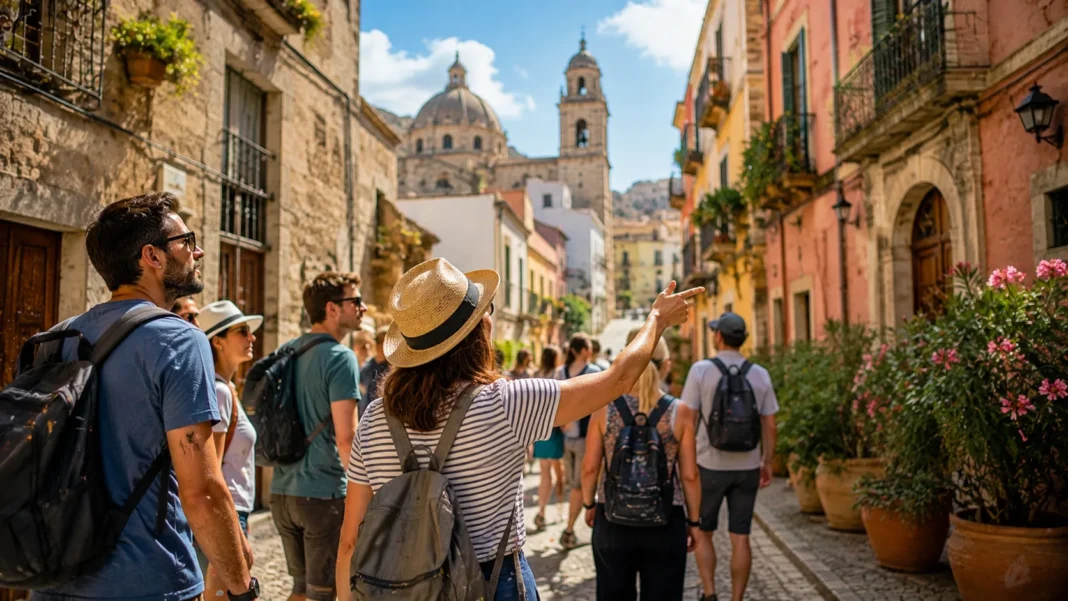
Best Walking Tours for Exploring a New City
Exploring a new city on foot is one of the easiest ways to understand how the place actually feels. Walking takes you beyond the view from a taxi, tour bus, or train and brings you closer to neighborhoods, architecture, cafés, markets, public spaces, and everyday local life. Instead of simply moving between famous attractions, you begin noticing the small details that give each destination its personality.
A good walking tour can also make your first day in an unfamiliar destination much easier. A knowledgeable local guide can explain the history behind landmarks, introduce you to neighborhoods worth revisiting, recommend places to eat, and help you understand how different parts of the city connect. This local orientation can save valuable travel time while helping you feel more confident exploring independently afterward.
Walking tours now come in far more varieties than traditional sightseeing experiences. Travelers can choose historical walking tours, food tours, architecture walks, street art tours, ghost tours, photography experiences, neighborhood tours, or private customized walks. Each style provides a different perspective, which means the best walking tour depends on what you genuinely want to discover about the city.
The key is choosing an experience that balances useful information with enough time to observe your surroundings. An itinerary packed with too many stops can feel rushed, while a tour without meaningful storytelling may become little more than a long walk. This guide explains the best types of walking tours for exploring a new city and how to choose one that makes your trip more memorable.
Why Walking Tours Are One of the Best Ways to See a City
Walking creates a level of connection with a destination that faster forms of transportation often cannot provide. You experience streets at human scale, notice architectural details, hear the sounds of neighborhoods, and discover shops or cafés you might never see from a vehicle. These small observations can give you a much stronger sense of place than simply visiting major landmarks.
Walking tours are also ideal for orientation. During your first day in a new city, it can be difficult to understand how different neighborhoods, attractions, transportation hubs, and public spaces fit together. Following a local guide through central areas creates a mental map that makes independent sightseeing easier during the rest of your stay.
Another advantage is access. Historic centers, pedestrian streets, narrow alleys, markets, and older neighborhoods are often difficult or impossible to explore properly by car or coach. Walking allows guides to take groups through spaces where larger tours cannot go, creating opportunities to discover quieter streets, hidden courtyards, local businesses, and unusual viewpoints.
Walking tours can also fit many travel budgets. Some operate on fixed prices, while others use pay-what-you-feel models or offer affordable group rates. Private tours cost more but provide additional flexibility. This variety makes city walking tours accessible to backpackers, couples, families, solo travelers, and visitors who want more personalized experiences.
1. Historical Walking Tours for Understanding the City
Historical walking tours are among the most popular choices because they help travelers understand why a city looks and functions the way it does today. Rather than simply pointing out old buildings, a skilled guide connects streets, monuments, neighborhoods, and public spaces with the events and people that shaped them. This context can transform ordinary sightseeing into meaningful discovery.
These tours are especially valuable in destinations with long or complex histories. Medieval districts, ancient ruins, former industrial areas, colonial neighborhoods, political landmarks, or wartime sites often make far more sense when someone explains how they developed. Without that context, travelers may photograph important locations without understanding why they matter.
A strong history tour should feel like storytelling rather than a classroom lecture. Good guides use memorable anecdotes, local legends, historical conflicts, and human stories to bring the past to life. They may also explain how older events continue influencing the city’s culture, architecture, traditions, or identity today.
When choosing a historical walking tour, check how broad the subject is. General city history tours work well for first-time visitors, while specialized experiences may focus on a specific period, community, political event, or architectural era. Selecting a theme that matches your interests can make the experience significantly more engaging.
2. Food Walking Tours for Exploring Local Culture
Food tours combine sightseeing with one of the most enjoyable ways to understand local culture. Instead of visiting restaurants independently, travelers follow a guide through markets, bakeries, cafés, street-food stalls, and neighborhood businesses while tasting dishes associated with the destination. The experience often reveals cultural traditions that ordinary sightseeing tours overlook.
Local cuisine frequently reflects migration, geography, religion, agriculture, trade, and family traditions. A knowledgeable food guide can explain why certain ingredients became popular, how dishes evolved, and when local people typically eat them. These stories turn each tasting into part of a broader cultural experience rather than simply another snack.
Food walking tours are also useful for discovering places you may want to revisit later. Guides often introduce visitors to family-run businesses, market stalls, neighborhood restaurants, or specialty shops located away from heavily promoted tourist areas. Saving these locations can make the rest of your trip feel more local and less dependent on generic restaurant recommendations.
Before booking, check how much food is included and whether dietary restrictions can be accommodated. Some tours provide enough tastings to replace a full meal, while others offer smaller samples. Understanding the format helps you plan your day and ensures the tour matches both your appetite and dietary preferences.
3. Old Town Walking Tours for First-Time Visitors
Old town walking tours are ideal when visiting destinations with preserved historic centers. These areas often contain the city’s most recognizable streets, squares, churches, public buildings, monuments, and traditional architecture. Exploring them with a guide provides a useful introduction while helping you understand how the oldest parts of the city developed.
Historic centers can sometimes feel confusing because narrow streets, pedestrian lanes, and irregular layouts were created long before modern transportation. A guided walk removes the stress of constantly checking maps and allows you to concentrate on the environment. Guides can also lead you through shortcuts, courtyards, and smaller streets that independent visitors might miss.
The strongest old town tours balance famous landmarks with less obvious discoveries. Seeing the cathedral, central square, or city walls may be essential, but local stories about ordinary buildings, forgotten alleys, traditional shops, and hidden architectural details often become equally memorable. This combination keeps the experience from feeling like a checklist of tourist attractions.
These tours are particularly useful early in your trip. Once you understand the layout of the historic center, you can return later to explore museums, restaurants, markets, or shops at your own pace. Think of the walking tour as an introduction that helps you make better decisions about where to spend more time.
4. Street Art Tours for Seeing the Creative Side of a City
Street art tours reveal parts of urban culture that traditional sightseeing often ignores. Murals, graffiti, public installations, painted shutters, and temporary artwork can transform ordinary neighborhoods into outdoor galleries. A guide can explain the artists, techniques, cultural references, and political or social ideas behind works that might otherwise appear purely decorative.
These tours often take place outside traditional tourist centers, giving travelers an opportunity to explore creative districts, former industrial zones, or rapidly changing neighborhoods. Walking through these areas can reveal how art interacts with urban development, local communities, and changing property values. This makes the experience interesting even for travelers without a deep knowledge of art.
Street art is constantly changing, which gives these tours an element of freshness. A mural visible one year may disappear the next, while new artists continually create work in response to local events and cultural conversations. Experienced guides usually stay familiar with recent changes and can explain how the area’s visual identity is evolving.
Photography enthusiasts often enjoy street art walks because they provide colorful and visually interesting subjects. However, the best tours go beyond finding attractive backgrounds for pictures. They help visitors understand why specific works exist and what they communicate about the community, making the images more meaningful after the trip ends.
5. Architecture Walking Tours for Design Lovers
Architecture tours are ideal for travelers who frequently look up at buildings and wonder why they were designed a certain way. Instead of simply identifying architectural styles, guides explain how economics, politics, technology, climate, materials, and cultural preferences influenced the appearance of the city. This perspective can completely change how you interpret urban spaces.
Different cities lend themselves to different architectural themes. A tour might focus on medieval buildings, neoclassical districts, modernist design, skyscrapers, religious architecture, industrial structures, or contemporary development. Some experiences compare several periods to demonstrate how the city changed over centuries.
Architectural walks can also reveal details that are easy to overlook. Decorative stonework, unusual windows, building materials, roof shapes, public squares, street proportions, and hidden courtyards can tell stories about how people lived and worked. Once guides explain these elements, travelers often begin noticing similar details independently throughout the rest of their trip.
You do not need professional design knowledge to enjoy an architecture tour. Good guides avoid overwhelming visitors with technical terminology and instead explain why buildings matter in understandable language. If you enjoy photography, history, urban planning, or design, this type of walking tour can provide one of the richest ways to explore a city.
6. Neighborhood Walking Tours for a More Local Experience
Neighborhood walking tours move beyond the major landmarks and introduce travelers to areas where people actually live, work, shop, and socialize. These experiences can provide a more personal view of the destination by focusing on community stories, small businesses, local traditions, public spaces, and everyday life.
Many cities contain neighborhoods with distinctive identities shaped by migration, religion, industry, art, music, or historical events. A knowledgeable guide can explain how these communities developed and how they continue changing. This context helps visitors appreciate the neighborhood rather than simply treating it as an alternative tourist attraction.
Smaller neighborhood tours can also create opportunities for interaction. Guides may know local shop owners, café operators, artists, or residents and introduce travelers to businesses that have played a role in the community for years. These moments can make the experience feel more personal than standard sightseeing tours covering heavily visited attractions.
Respect is especially important when exploring residential areas. Choose operators that work responsibly with local communities rather than treating residents as part of the attraction. Travelers should follow guide instructions, avoid intrusive photography, and remember that the neighborhood remains someone’s home even when it has become popular with visitors.
7. Free Walking Tours for Budget-Friendly Sightseeing
Free walking tours have become popular in many destinations because they allow travelers to join without paying a fixed upfront price. Participants usually provide a tip at the end based on the quality of the experience and their budget. This flexible model can make guided sightseeing accessible to travelers who might otherwise explore completely independently.
These tours are often designed as broad introductions to the city. Routes usually include central landmarks, historical stories, neighborhood recommendations, and practical travel advice. This makes them particularly useful on the first day because visitors can learn the basic layout of the destination before deciding what they want to explore more deeply.
The word “free” can sometimes create confusion because guides normally rely heavily on gratuities as compensation. Travelers should therefore budget for an appropriate tip rather than assuming the experience has no cost. If the guide provides an engaging and informative tour, contributing fairly recognizes the work involved.
Quality can vary between operators, so recent customer feedback remains useful. Look for guides praised for storytelling, organization, local knowledge, and group management rather than simply selecting whichever tour appears first. A well-run free walking tour can provide excellent value while helping you decide which areas deserve more attention later.
8. Night Walking Tours for a Different View of the City
Cities often feel completely different after sunset. Streets become quieter or more energetic depending on the neighborhood, landmarks are illuminated, restaurants become busier, and public spaces develop a new atmosphere. Night walking tours allow travelers to experience this transformation while remaining with someone familiar with the area.
Some evening tours focus on architecture and illuminated landmarks, while others explore nightlife districts, cultural traditions, historic stories, or evening food scenes. The format can provide a useful alternative when daytime temperatures are uncomfortable or when you want to keep your sightseeing schedule flexible.
Night tours can also provide distinctive photography opportunities. Artificial lighting, reflections, neon signs, illuminated monuments, and evening street activity create images very different from daytime photographs. Guides may know particularly effective viewpoints and quieter locations where travelers can take pictures without competing with large crowds.
Safety should remain an important consideration. Choose established operators, understand where the tour ends, and plan transportation back to your accommodation beforehand. A guided group can provide additional confidence when exploring unfamiliar areas at night, but normal travel awareness and personal precautions are still necessary.
9. Ghost and Mystery Tours for Storytelling Fans
Ghost tours offer a more entertaining approach to city history by combining unusual stories, local legends, mysterious events, and atmospheric locations. They are particularly common in destinations with old neighborhoods, castles, former prisons, historic hotels, underground spaces, or centuries of folklore.
The best ghost tours do more than simply attempt to frighten participants. Strong guides connect legends with documented historical events, explaining where fact ends and storytelling begins. This mixture of history and mystery can introduce travelers to parts of the city’s past that conventional sightseeing tours rarely discuss.
These tours often take place in the evening, when narrow streets and historic buildings create a more dramatic atmosphere. The theatrical element can make the experience enjoyable for couples, groups of friends, and travelers looking for something different after a day of traditional sightseeing.
Before booking, check whether the experience is primarily historical, theatrical, paranormal, or horror-focused. Different operators approach the subject very differently. Choosing the right tone matters, particularly if you are traveling with children or prefer historical storytelling over jump scares and staged entertainment.
10. Photography Walking Tours for Better Travel Photos
Photography walking tours combine sightseeing with practical guidance on capturing the city more creatively. Instead of simply visiting famous viewpoints, photographers or knowledgeable local guides help participants find interesting compositions, lighting conditions, street scenes, reflections, architectural details, and less obvious perspectives.
These tours can be useful for both smartphone users and dedicated photographers. Beginners may learn basic composition and lighting principles, while experienced photographers can benefit from local knowledge about the best locations and times of day. The emphasis is usually on seeing familiar scenes differently rather than simply using expensive equipment.
Early-morning and evening photography walks can be especially rewarding because softer light creates more flattering conditions for streets and buildings. These periods may also provide fewer crowds, giving photographers more freedom to compose images around landmarks or narrow streets without constant interruptions.
Before booking, check whether the tour emphasizes photography instruction or location access. Some guides are professional photographers offering technical coaching, while others primarily lead participants to photogenic places. Understanding this difference helps you choose an experience that matches your skill level and expectations.
11. Private Walking Tours for Personalized Exploration
Private walking tours offer the highest level of flexibility because the guide can usually focus the experience around your interests. Instead of following a fixed route designed for a large group, you may be able to spend more time exploring specific neighborhoods, historical periods, food traditions, architecture, shopping areas, or photography locations.
This format is particularly useful for families, couples, business travelers, photographers, or visitors with mobility considerations. The pace can often be adjusted more easily, and asking detailed questions feels natural because you are not competing with dozens of other participants for the guide’s attention.
Private tours also make sense when your available sightseeing time is limited. A guide who understands your priorities can design an efficient route connecting the places you most want to see. This can prevent wasted time navigating, researching, or traveling between locations that turn out to be less relevant to your interests.
The main disadvantage is price, although groups can sometimes make private experiences surprisingly cost-effective. Compare the total private rate with the combined cost of individual group tickets for everyone traveling together. If customization and convenience are priorities, the additional expense may provide significantly better value.
12. Self-Guided Walking Tours for Maximum Flexibility
Not every walking tour requires a guide. Self-guided routes allow travelers to explore using maps, apps, audio guides, guidebooks, or downloaded itineraries while controlling their own pace. This format can work particularly well for independent travelers who dislike fixed schedules or want to stop frequently for photography, meals, or shopping.
The biggest advantage is flexibility. You can begin whenever you want, spend an hour inside an interesting attraction, skip locations that do not appeal to you, or pause the tour entirely and continue later. This independence makes self-guided walking tours particularly useful when weather or travel schedules are unpredictable.
However, independent exploration requires more preparation. You need reliable route information, sufficient historical context, and an understanding of distances between stops. Downloading maps and content beforehand can prevent problems when mobile data is unavailable or reception becomes unreliable in narrow streets and older neighborhoods.
Combining self-guided and guided experiences often works extremely well. A professional walking tour can provide context and orientation early in your visit, while self-guided routes allow you to explore additional neighborhoods later. Using both approaches provides local knowledge without sacrificing the freedom that many travelers enjoy.
How to Choose the Best Walking Tour in a New City
Start by identifying what you actually want from the experience. If your priority is understanding the city’s history, choose a historical or old town tour. Food lovers should consider culinary walks, while travelers interested in local culture may prefer neighborhood, market, or street art experiences. Matching the theme to your interests is more important than choosing the most popular tour.
Check the duration and walking distance before booking. A two-hour city walk may feel very different from a five-hour experience involving hills, stairs, or uneven streets. Tour descriptions should provide enough information to help you evaluate whether the physical demands match your comfort level and the rest of your day’s plans.
Group size also affects the experience. Large tours may be more affordable but can make hearing the guide or asking questions difficult in busy areas. Small-group experiences often provide more interaction, while private tours maximize flexibility. Decide how much personal attention matters before comparing prices.
Finally, read recent reviews for information about guide quality, storytelling, organization, pacing, and unexpected costs. Do not rely only on the average star rating. Detailed comments often reveal whether travelers actually learned something, felt rushed, struggled to hear the guide, or considered the tour good value.
What to Look for in a Great Walking Tour Guide
A strong walking tour guide combines knowledge with storytelling ability. Memorizing historical dates is not enough if the information is delivered without context or personality. Great guides explain why events mattered, connect stories with the surroundings, and help travelers understand how the past continues influencing the modern city.
Communication skills are equally important. Guides need to speak clearly, manage groups effectively, answer questions, and adjust explanations based on audience interest. They should also know where to stop so participants can hear safely without blocking pedestrian traffic or standing in uncomfortable locations for long periods.
Local knowledge adds another layer of value. Helpful guides frequently recommend restaurants, cafés, neighborhoods, transportation options, cultural activities, or lesser-known attractions worth exploring after the tour. These practical recommendations can sometimes become more valuable than information found through generic travel searches.
A professional guide should also respect the destination and its residents. Responsible walking tours avoid disrupting communities, exaggerating sensitive stories for entertainment, or encouraging inappropriate behavior. The strongest guides help visitors appreciate the city while demonstrating how to explore it respectfully.
When Is the Best Time to Take a Walking Tour?
For first-time visitors, taking a general city walking tour early in the trip is usually most useful. The experience provides orientation and introduces attractions or neighborhoods you can revisit later. Waiting until the final day may mean discovering excellent places when you no longer have time to explore them independently.
Morning tours often provide cooler temperatures and less crowded streets, particularly during warmer months. They can also leave the afternoon free for museums, shopping, food experiences, or independent sightseeing. Photographers may appreciate morning light and quieter public spaces around popular landmarks.
Late-afternoon and evening walks create a different atmosphere. Temperatures may become more comfortable, restaurants and entertainment districts become active, and landmarks begin illuminating as daylight fades. Night photography, food tours, and storytelling experiences can be particularly enjoyable during these hours.
Weather should influence your decision as well. Extreme heat, heavy rain, snow, or strong winds can make even a short walk uncomfortable. Check the forecast, understand the operator’s cancellation policy, and choose an appropriate time of day whenever your schedule provides flexibility.
What to Wear and Bring on a City Walking Tour
Comfortable footwear should be your first priority. Historic centers often contain cobblestones, stairs, uneven sidewalks, or long pedestrian routes that can become uncomfortable in unsuitable shoes. You do not necessarily need specialized hiking footwear, but choose shoes you already know you can comfortably wear for several hours.
Dress for the weather and remember that conditions can change while you are outside. Lightweight layers work well because they can be added or removed easily. Depending on the destination, you may also need sunscreen, sunglasses, rain protection, a warm layer, or a hat.
Bring water, especially during long tours or warm weather. A small reusable bottle is usually sufficient without adding excessive weight. Snacks may also be useful when the tour extends across normal meal times, although food-focused tours generally include scheduled tastings.
Keep your belongings light. Carrying a large bag for several hours can quickly become uncomfortable and may create problems inside crowded markets or narrow streets. A phone, payment method, identification, water, weather protection, and essential personal items are usually enough for most urban walking tours.
Common Mistakes to Avoid on Walking Tours
One common mistake is scheduling too much around the tour. Travelers sometimes book a three-hour walking experience immediately after a long museum visit or just before another activity across the city. This creates unnecessary rushing and can make sightseeing feel exhausting instead of enjoyable.
Another mistake is ignoring the terrain. A distance that sounds manageable on paper can become challenging when the route includes steep hills, stairs, cobblestones, heat, or frequent standing. Always consider the environment rather than looking only at the number of kilometers listed.
Arriving late can also create problems because walking groups may leave the meeting point immediately. Guides cannot always delay dozens of participants for one person. Plan to arrive early enough to locate the meeting place, particularly in large public squares where multiple tour companies may operate simultaneously.
Finally, avoid spending the entire tour viewing the city through your phone. Photographs are valuable, but constantly recording can distract you from the stories and atmosphere that make the experience worthwhile. Take pictures when appropriate, then give yourself time to observe the place directly.
Are Walking Tours Worth the Money?
A good walking tour can provide excellent value because you are paying for knowledge rather than simply transportation. Guides can explain details you might overlook, organize information into meaningful stories, and help you understand neighborhoods far more quickly than independent research sometimes allows.
Value depends heavily on guide quality and tour design. An expensive private experience may be worthwhile when it provides deep expertise or customization, while an affordable group tour can be excellent when the guide is engaging and the itinerary is well planned. Price alone does not determine whether the experience is worth booking.
Walking tours can also save money indirectly. Recommendations from knowledgeable guides may help you avoid overpriced restaurants, discover affordable local businesses, use public transportation more effectively, and identify attractions that genuinely deserve your limited time.
The strongest value often comes from using a walking tour as the beginning rather than the entirety of your city exploration. Learn from the guide, note places you want to revisit, and then continue independently. This combination provides both expertise and freedom while helping you experience more of the destination.
Final Thoughts
Walking tours remain one of the most rewarding ways to explore a new city because they slow travel down to a human pace. You notice details, hear stories, understand neighborhoods, and develop a clearer sense of how different parts of the destination connect. Even familiar landmarks can become more meaningful once someone explains the people and events behind them.
There is no single type of walking tour that works for every traveler. History enthusiasts may prefer old town tours, food lovers may enjoy culinary walks, creative travelers may choose street art experiences, and photographers may prioritize visually interesting routes. The best choice is the one that matches your curiosity.
Pay attention to practical details before booking. Duration, terrain, group size, weather, guide quality, meeting location, and walking distance all influence how enjoyable the experience becomes. A well-planned tour should feel informative and engaging without leaving you exhausted or rushed.
Most importantly, use the tour as a starting point for deeper exploration. Save the cafés, streets, markets, viewpoints, and neighborhoods that catch your attention and return later on your own. The best walking tours do not simply show you a city; they give you enough understanding and confidence to continue discovering it yourself.
Frequently Asked Questions
What is the best type of walking tour for first-time visitors?
A general historical or old town walking tour is usually best because it provides orientation, local context, major landmarks, and useful recommendations for the rest of your trip.
How long should a city walking tour be?
Most travelers find two to three hours comfortable for a general city tour. Longer experiences can work well when they include food stops, breaks, or several neighborhoods.
Are free walking tours actually free?
Most free walking tours do not charge a fixed upfront fee, but guides typically work for tips. Travelers usually contribute an amount based on their experience and budget.
Are walking tours good for solo travelers?
Yes. Walking tours are particularly useful for solo travelers because they provide structured sightseeing, local guidance, and an easy opportunity to meet other visitors.
What should I bring on a walking tour?
Bring comfortable shoes, water, weather-appropriate clothing, identification, and a charged phone or camera. Keep your bag light so walking remains comfortable.