


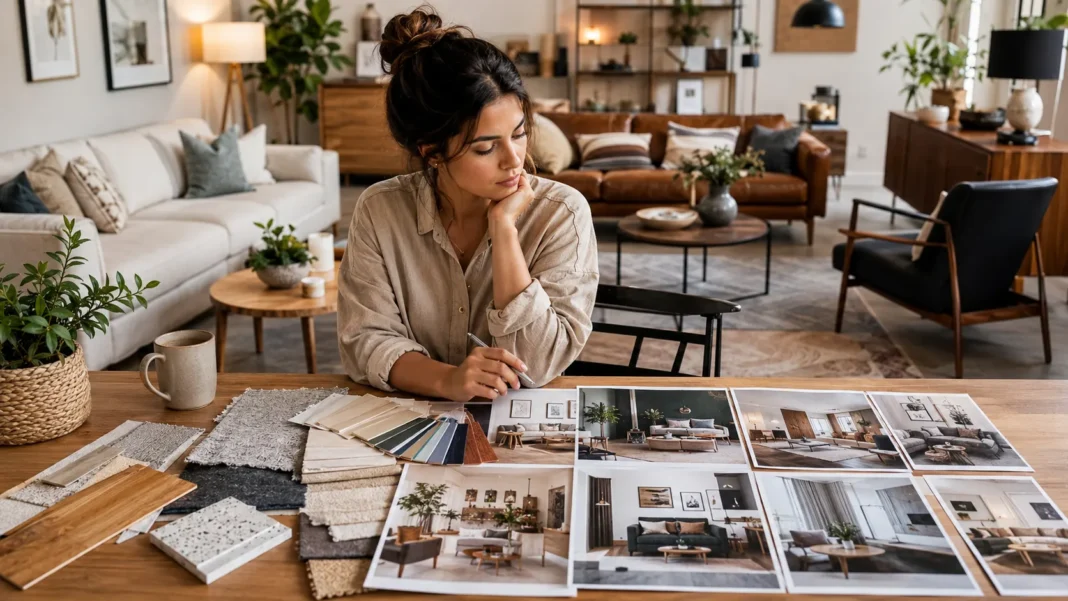
How to Choose the Right Home Decor Style
Choosing a home decor style can feel exciting at first, but it can quickly become confusing when you start comparing modern, minimalist, rustic, Scandinavian, bohemian, farmhouse, traditional, industrial, coastal, and other interior design styles. Many homes also contain a mixture of influences rather than fitting perfectly into one category. The goal is not to force your home into a label but to understand which colors, materials, furniture shapes, textures, and layouts make the space feel comfortable and personal to you.
The right home decor style should also support the way you actually live. A beautiful room that looks impressive in photographs may become frustrating if the furniture is uncomfortable, storage is limited, surfaces are difficult to maintain, or the layout does not match your daily routine. Good interior design balances appearance with function, making the home visually appealing while still supporting activities such as relaxing, working, entertaining, cooking, and spending time with family.
Budget matters as well. Some design styles can be created gradually through paint, textiles, lighting, secondhand furniture, and accessories, while others may require larger investments in built-in features, flooring, custom furniture, or architectural details. Knowing what you already own and what can realistically be changed prevents unnecessary spending and helps you create a more thoughtful decorating plan.
Learning how to choose the right home decor style therefore begins with understanding yourself, your space, and your priorities. Instead of copying one room from social media exactly, look for repeated design features that genuinely appeal to you. This guide will help you identify your preferences, compare popular interior styles, choose colors and materials, avoid common decorating mistakes, and create a home that feels cohesive without losing personality.
Start With How You Want Your Home to Feel
Before choosing furniture or paint colors, think about the atmosphere you want your home to create. Some people want their interiors to feel calm and uncluttered, while others prefer warmth, richness, creativity, elegance, or a relaxed lived-in appearance. Emotional goals are useful because they help narrow down design choices before you become distracted by individual products.
If you want a calm environment, you may naturally prefer softer colors, simple furniture, limited visual clutter, and natural materials. Minimalist, Scandinavian, Japandi, or modern styles may appeal to you. Someone seeking a warmer and more relaxed atmosphere might gravitate toward rustic, farmhouse, bohemian, traditional, or Mediterranean influences.
Think about how you want different rooms to feel as well. Your bedroom might need to feel restful, while the living room could be more social and expressive. The dining area may need warmth and intimacy, while a home office might benefit from simplicity and focus. Your overall interior design style can remain consistent even when each room has a slightly different emotional purpose.
Write down three to five words describing your ideal home, such as cozy, airy, sophisticated, earthy, colorful, peaceful, or timeless. These words become a useful filter when comparing furniture, colors, and accessories. If a product looks attractive but does not support the feeling you want, it may not belong in your home regardless of how fashionable it currently appears.
Look at Your Existing Home Before Choosing a Style
Your home’s architecture can provide useful clues about which decorating styles will feel natural. Ceiling height, flooring, windows, trim, fireplaces, exposed brick, built-in storage, and room proportions all influence how furniture and decorations appear. Working with some existing architectural qualities can create a more harmonious result than trying to hide everything.
For example, a home with exposed beams and natural wood may support rustic or modern farmhouse elements easily. A newer apartment with large windows and clean lines could work naturally with contemporary or minimalist furniture. An older property with decorative molding may suit traditional, transitional, or eclectic styling particularly well.
This does not mean the architecture completely determines your choices. A traditional home can still contain modern furniture, and a contemporary apartment can include vintage pieces. The key is understanding where contrast feels intentional and where it simply looks disconnected. Thoughtful combinations often produce some of the most interesting home interior styles.
Also identify the features that cannot easily be changed. Flooring, cabinetry, countertops, large windows, and major furniture pieces can strongly affect the room’s visual direction. Rather than designing as though these elements do not exist, include them in your plan. Choosing a style that works with expensive fixed features can save money and create a more cohesive result.
Pay Attention to the Images You Keep Saving
If you regularly save interiors on social media, websites, magazines, or inspiration boards, review them together instead of looking at each image individually. You may discover repeated patterns that were not obvious before. Similar colors, furniture shapes, flooring materials, lighting styles, or decorative details often appear across rooms you find attractive.
Do not focus only on the style labels attached to those images. One picture may be called modern farmhouse and another transitional, yet both may contain warm neutral walls, natural wood, simple furniture, and black accents. Those shared features reveal more about your actual preferences than the category names.
Try separating what you like about each photograph. You might love the wall color but not the furniture, or the cozy textiles but not the heavy decorative accessories. This prevents you from assuming you want an entire design style simply because one beautifully photographed room caught your attention.
After reviewing several images, create a simple home decor mood board containing the elements you repeatedly prefer. Include colors, textures, furniture, lighting, artwork, flooring, and architectural details. The mood board becomes a visual reference that helps you stay consistent when you begin making purchasing decisions.
Understand the Most Popular Home Decor Styles
Knowing the main design styles can help you recognize which elements appeal to you, even if you eventually combine several of them. Modern interiors generally focus on clean lines, functional furniture, relatively simple ornamentation, and a controlled color palette. Minimalist design takes this simplicity further by reducing possessions and visual clutter.
Traditional interiors emphasize classic furniture shapes, symmetry, layered fabrics, decorative details, and a sense of permanence. Transitional style blends traditional warmth with cleaner contemporary lines, making it useful for homeowners who dislike interiors that feel either overly formal or extremely modern.
Rustic, farmhouse, and cottage styles emphasize natural materials, warmth, texture, and comfortable furniture. Bohemian interiors tend to feel more relaxed and collected, using layered textiles, patterns, plants, handcrafted objects, and global influences. Scandinavian design focuses on simplicity, functionality, light colors, and natural materials.
Industrial, coastal, Mediterranean, Art Deco, mid-century modern, Japandi, and eclectic interiors provide additional options. You do not need to memorize every category. Understanding the broad features of different decorating styles for homes simply gives you a vocabulary for identifying the qualities you want to incorporate into your own space.
Decide Whether You Prefer Modern or Traditional Interiors
The difference between modern and traditional design provides a useful starting point. Modern interiors typically feature simpler furniture, straighter lines, open visual space, and fewer decorative details. Traditional interiors often include curved furniture, detailed woodwork, classic patterns, layered fabrics, and more formal arrangements.
Look at the furniture you naturally prefer. If you consistently choose streamlined sofas, simple tables, geometric lighting, and uncluttered spaces, you probably lean toward modern design. If you prefer tufted upholstery, carved wood, decorative molding, patterned rugs, and classic artwork, traditional interiors may feel more comfortable.
Many people fall somewhere between the two. Transitional design combines classic proportions with contemporary simplicity, allowing a traditional table to sit beside cleaner chairs or a modern sofa to share a room with an antique cabinet. This balanced approach often works well when households contain different design preferences.
Do not assume modern means cold or traditional means old-fashioned. Either style can feel warm or fresh depending on colors, materials, lighting, and furniture choices. Identifying which direction you naturally prefer simply helps create a foundation for your personal interior design style.
Consider a Minimalist Style if You Prefer Calm Spaces
Minimalist decor focuses on reducing unnecessary objects and allowing important furniture, architecture, and materials to stand out. The style often uses simple shapes, controlled color palettes, concealed storage, and carefully selected accessories. It can work especially well for people who feel overwhelmed by visual clutter.
A minimalist home should still feel comfortable. Natural wood, textured fabrics, soft rugs, warm lighting, and plants can prevent simple interiors from becoming sterile. The goal is not creating empty rooms but giving each object enough space to contribute to the overall composition.
Storage becomes particularly important in minimalist interiors. Open surfaces can only remain visually calm when everyday items have practical places to go. Closed cabinetry, drawers, baskets, and multifunctional furniture help maintain simplicity without requiring the household to live unrealistically.
Choose minimalist home decor if you value easy maintenance, visual order, and deliberate purchasing. However, avoid adopting the style solely because it appears fashionable. If you love collections, layered patterns, books, and sentimental objects, a warmer or more eclectic approach may suit your personality much better.
Choose Scandinavian Style for Light and Simple Comfort
Scandinavian interiors combine simplicity with warmth, making them attractive to people who enjoy minimalist principles but want a softer atmosphere. Light-colored walls, natural wood, comfortable furniture, practical layouts, and cozy textiles are common features. The overall effect feels bright and functional rather than highly decorative.
Natural light plays an important role in this style. Light surfaces help reflect available daylight, while curtains are often kept relatively simple. Wooden furniture and floors add warmth so the pale color palette does not feel cold. Black, gray, muted blue, or earthy accents can provide gentle contrast.
Comfort is equally important. Wool throws, textured cushions, rugs, candles, and soft lighting create the cozy atmosphere often associated with Scandinavian design. Furniture tends to have clean lines but should remain comfortable enough for everyday use.
Scandinavian home decor works particularly well for smaller homes because its lighter palette and restrained furniture can make rooms feel more open. It is also flexible enough to combine with modern, rustic, or Japandi elements when you want to personalize the look further.
Consider Japandi for Warm Minimalism
Japandi combines influences from Japanese and Scandinavian interiors, creating spaces that feel simple, warm, natural, and highly intentional. It often uses neutral colors, low-profile furniture, natural wood, handmade ceramics, and uncluttered layouts. The style appeals to people who want minimalism without the colder appearance sometimes associated with very modern design.
Materials are central to the look. Wood, stone, linen, cotton, paper, clay, and other tactile surfaces create visual depth without requiring large amounts of decoration. Natural imperfections are often welcomed because they introduce warmth and individuality.
Furniture usually emphasizes quality and function. Instead of purchasing numerous small items, Japandi interiors often contain fewer substantial pieces with attractive proportions and craftsmanship. This can encourage more thoughtful buying and reduce the temptation to fill every empty surface.
Choose Japandi interior design if you appreciate calm spaces, natural materials, craftsmanship, and restrained color palettes. The style works best when you genuinely enjoy simplicity because adding too many unrelated accessories can quickly weaken the quiet atmosphere that defines it.
Choose Rustic Decor if You Love Warmth and Natural Materials
Rustic interiors emphasize natural materials and surfaces that show character. Wood grain, stone, leather, linen, wool, baskets, handmade pottery, and aged metal can all contribute to the style. Rather than looking perfectly polished, rustic rooms often celebrate imperfections that make spaces feel more relaxed and lived in.
The color palette generally draws from nature. Cream, beige, brown, warm gray, olive, terracotta, and muted earthy shades work particularly well. These colors create a comfortable background for wooden furniture and textured fabrics without requiring complicated decorative schemes.
Rustic furniture often feels sturdy and practical. Large wooden tables, comfortable upholstered sofas, benches, storage chests, and vintage-style pieces can create a strong foundation. The style is especially attractive for people who enjoy homes that feel welcoming rather than formal.
Modern rustic home decor can also work in contemporary properties when natural textures are combined with cleaner furniture lines. You do not need exposed beams or a stone fireplace to achieve the effect. A wooden dining table, textured rug, natural fabrics, and warm lighting can introduce rustic character gradually.
Explore Farmhouse Style for Casual and Comfortable Living
Farmhouse decor shares many qualities with rustic style but often includes stronger references to traditional rural homes. Wooden tables, simple cabinetry, practical furniture, natural fabrics, vintage accessories, and comfortable seating are common elements. The overall look should feel relaxed, useful, and welcoming.
Modern farmhouse design introduces cleaner lines and lighter colors than older country interiors. Warm white walls, natural wood, black metal accents, simple lighting, and neutral upholstery create a balanced combination of traditional warmth and contemporary simplicity.
Avoid filling every room with decorative signs, artificial distressing, and themed farmhouse accessories. Overusing these elements can make the interior feel staged rather than authentic. Focus instead on natural materials, practical furniture, and a few meaningful vintage-inspired details.
Choose farmhouse home decor if you enjoy casual family-friendly spaces, sturdy furniture, and warm traditional materials. It works particularly well when your lifestyle includes regular gatherings, children, pets, or a preference for interiors that do not feel overly delicate.
Consider Bohemian Style if You Love Color and Creativity
Bohemian decor is ideal for people who enjoy expressive interiors and dislike strict matching rules. The style often combines patterned rugs, colorful cushions, plants, natural fibers, artwork, books, vintage pieces, and objects collected over time. Layering is central, creating rooms that feel personal and gradually developed.
Color can range from rich jewel tones to earthy neutrals depending on your interpretation. Modern boho interiors often use a neutral background with terracotta, mustard, rust, green, and warm wood accents. This creates a relaxed appearance without becoming visually overwhelming.
Plants, woven materials, handmade accessories, and global influences frequently appear within bohemian home decor. However, meaningful objects generally create a stronger result than purchasing large quantities of decorations designed specifically to imitate a bohemian look.
Choose this style if you enjoy collecting, traveling, creative expression, and mixing materials. If visual clutter makes you uncomfortable, you can still borrow selected bohemian elements such as textured fabrics and plants while maintaining a simpler overall room.
Choose Coastal Style for a Light and Relaxed Atmosphere
Coastal decor takes inspiration from beaches, natural light, water, sand, and relaxed seaside living. The style often uses white, cream, pale blue, sandy beige, light wood, woven materials, linen, and subtle nautical influences. The objective should be creating a fresh atmosphere rather than turning the house into a themed beach display.
Natural textures are particularly important. Rattan, jute, light timber, cotton, linen, and woven baskets bring warmth to the pale palette. These materials prevent a white-and-blue room from feeling too flat while maintaining the casual mood associated with coastal interiors.
You do not need to live near the sea to use coastal home decor. The style can work in urban apartments and suburban properties when interpreted subtly. Avoid covering rooms with anchors, shells, boats, and obvious nautical symbols unless you genuinely enjoy that look.
Coastal interiors suit people who prefer bright, uncluttered, informal spaces. They also combine easily with modern, Scandinavian, or farmhouse influences, allowing you to create a personalized version rather than following one rigid decorating formula.
Consider Mid-Century Modern for Clean Lines and Character
Mid-century modern design draws heavily from furniture and architecture associated with the middle decades of the twentieth century. Clean lines, tapered legs, organic shapes, functional furniture, warm wood, and bold accent colors are common characteristics.
Furniture often becomes the main decorative feature. A distinctive lounge chair, sideboard, coffee table, or lighting fixture can provide enough visual interest that the rest of the room remains relatively simple. This makes the style appealing to people who appreciate recognizable furniture design.
Colors may include mustard yellow, olive green, burnt orange, teal, walnut brown, and other warm retro-inspired shades. Modern interpretations often use these colors more selectively against neutral walls, creating a cleaner and more contemporary effect.
Mid-century modern decor works well with contemporary interiors because the furniture shapes remain visually relevant. You do not need to recreate an entire 1960s house. Combining several mid-century pieces with modern upholstery and simple accessories can create a sophisticated, timeless interior.
Explore Industrial Style for an Urban Look
Industrial interiors take inspiration from factories, warehouses, workshops, and converted urban buildings. Exposed brick, concrete, steel, dark metal, visible pipes, large windows, leather, and reclaimed wood commonly appear within the style.
Furniture often combines sturdy materials and relatively simple construction. Wooden tables with metal frames, leather seating, open shelving, and industrial-style lighting can create the look even in homes without original warehouse architecture.
Because industrial materials can feel visually heavy, balancing them with softer elements is important. Rugs, curtains, comfortable upholstery, warm lighting, and plants can prevent the room from becoming harsh or unfinished.
Choose industrial home decor if you enjoy raw materials, darker accents, and urban character. You can also create a softer industrial look by mixing metal and wood with modern neutral furniture rather than exposing every structural element of the building.
Choose Traditional Style for Timeless Elegance
Traditional interiors are influenced by classic European design and often emphasize symmetry, detailed furniture, layered fabrics, decorative woodwork, and a sense of formality. Sofas may feature rolled arms, tables may have turned legs, and rooms often include substantial rugs, curtains, and framed artwork.
Color palettes can range from warm neutrals to deeper blues, greens, burgundy, or rich wood tones. Traditional interiors typically use several layers rather than relying on large empty surfaces. Curtains, lamps, pillows, artwork, and decorative accessories all contribute to the finished appearance.
Quality furniture is particularly important because the style focuses on classic shapes that can remain attractive for many years. Vintage and antique pieces also integrate naturally, allowing homeowners to combine inherited furniture with newer purchases.
Choose traditional home decor if you prefer timeless design, symmetry, craftsmanship, and comfortable sophistication. If fully traditional rooms feel too formal, transitional style may provide a more relaxed alternative while retaining many of the same classic influences.
Try Transitional Style if You Like Both Modern and Traditional Design
Transitional interiors combine the warmth and familiarity of traditional design with the simplicity of contemporary furniture. This makes the style particularly useful for couples or families who have different decorating preferences.
A transitional room might contain a traditional wooden dining table with streamlined chairs, or a contemporary sofa paired with classic lamps and a patterned rug. The goal is balance rather than allowing one style to dominate completely.
Neutral colors are common because they create a calm background where furniture from different influences can work together. Texture, artwork, and subtle patterns provide depth without making the room excessively decorative.
Transitional interior design is also practical for homeowners updating older interiors gradually. Instead of replacing every traditional piece, you can introduce modern lighting, simpler upholstery, cleaner accessories, and lighter colors until the room feels fresher while preserving useful furniture.
Consider Your Lifestyle Before Choosing a Decor Style
Your daily routine should influence every major decorating decision. A household with young children or pets may need washable fabrics, durable flooring, rounded furniture edges, and practical storage. A formal interior filled with delicate materials might look attractive but become stressful to maintain.
Think about how often you entertain. If friends and family regularly visit, comfortable seating, flexible dining arrangements, and accessible surfaces may matter more than maintaining a perfectly minimal layout. People who rarely host may prioritize personal relaxation instead.
Work habits also influence design. Remote workers may need dedicated office areas, acoustic comfort, good lighting, and storage for equipment. Open-plan furniture arrangements that look beautiful online may become distracting when several people need to work or study simultaneously.
The best home decor for your lifestyle should reduce friction rather than create it. Every design choice should consider cleaning, comfort, storage, movement, and maintenance alongside appearance. A home becomes more enjoyable when the design supports the way people actually use it.
Consider How Much Maintenance You Are Comfortable With
Different materials and decorating styles require different amounts of maintenance. High-gloss surfaces may show fingerprints, pale upholstery may require frequent cleaning, and open shelving needs regular dusting and organization.
Minimalist interiors can appear easy to maintain but require enough storage to keep surfaces clear. Bohemian rooms filled with textiles and decorative objects may need more cleaning. Natural stone and certain wooden finishes may require specialized care.
Consider your household realistically. If you dislike regular maintenance, choose washable fabrics, forgiving colors, simple surfaces, and fewer delicate materials. Investing in furniture that suits your habits can prevent frustration later.
Maintenance should influence your interior decorating choices just as strongly as visual preferences. A room you can comfortably live with will remain attractive longer than one requiring constant attention to maintain its intended appearance.
Build a Color Palette That Matches Your Style
Color is one of the strongest tools for creating a cohesive interior. Begin with one or two main neutral colors for larger surfaces, then add several complementary accent shades through furniture, textiles, artwork, and accessories.
Warm neutrals such as cream, beige, taupe, and warm gray work beautifully with rustic, traditional, bohemian, and farmhouse interiors. Crisp white, cooler gray, and black may support modern or industrial looks, while soft whites and pale wood suit Scandinavian and coastal styles.
Consider undertones carefully. Two beige colors can look completely different when one contains yellow undertones and another appears pink or gray. Compare samples inside the actual room because daylight and artificial lighting can significantly affect how paint colors appear.
A strong home color palette does not require every room to use exactly the same shades. Repeating several related colors throughout the home creates continuity while allowing individual spaces to develop their own personality.
Choose Materials That Reinforce the Design Direction
Materials contribute strongly to the atmosphere of a room. Wood adds warmth, glass creates visual lightness, metal can feel modern or industrial, stone introduces natural texture, and soft fabrics create comfort.
Consider the combination rather than choosing each material independently. A room containing warm oak, linen, wool, ceramic, and woven fibers may feel naturally rustic or Scandinavian. Polished stone, glass, brass, and velvet can create a more luxurious appearance.
Repeating materials helps connect spaces. If you use black metal lighting in the living room, smaller black accents elsewhere can create continuity. Similarly, repeating one wood tone across several pieces can make rooms feel related.
Natural materials often work across multiple interior decorating styles, which makes them useful when you are uncertain about one specific direction. Wood, stone, cotton, linen, and ceramics can adapt easily as your taste evolves.
Choose Furniture Before Buying Too Many Accessories
Large furniture pieces strongly determine the visual direction of a room. Sofas, dining tables, beds, cabinets, and chairs occupy much more space than small decorations, so they should be selected before you buy large numbers of accessories.
Begin with scale and comfort. A beautiful sofa that overwhelms the room or provides poor seating will create problems regardless of style. Measure spaces carefully and consider how people move around the furniture.
Choose larger pieces with enough versatility that they can survive small changes in your taste. A quality neutral sofa may work with several decorating styles simply by changing rugs, cushions, artwork, and lighting.
Once the main furniture is established, accessories can reinforce your chosen home decor style. This sequence helps prevent a common problem where homeowners buy many small decorative items but still feel that the room lacks a coherent foundation.
Use Lighting to Support Your Home Decor Style
Lighting influences both atmosphere and how colors and materials appear. A carefully designed room can feel flat or uncomfortable when it relies only on one harsh overhead light.
Use layers of lighting. Ceiling fixtures provide general illumination, table and floor lamps create atmosphere, while task lights support activities such as reading, cooking, or working. Accent lighting can highlight artwork or architectural details.
The fixture style should complement the interior. Woven pendants work naturally with coastal or bohemian rooms, aged metal suits industrial interiors, simple glass fixtures complement modern spaces, and classic lamps can reinforce traditional decor.
Warm light generally creates a comfortable atmosphere in living rooms and bedrooms. The best interior lighting design combines practical illumination with decorative fixtures that strengthen the visual character of the room.
Mix Design Styles Without Making Your Home Look Confused
Most homes do not need to follow one style perfectly. Mixing styles can create more personality and prevent the interior from looking like a furniture showroom. The challenge is maintaining enough shared elements that everything still feels intentional.
Choose one dominant style and use a second influence more selectively. For example, a primarily modern room could include rustic wood, while a traditional interior might feature contemporary artwork and lighting.
Create connections through color, material, or shape. Two furniture pieces from different periods can work together when they share similar wood tones or proportions. Repetition helps unrelated items feel part of the same design story.
Successful mixed home decor styles depend on restraint. Combining two or three compatible influences generally feels more cohesive than trying to include every style you admire within one room.
Use Your Existing Furniture as Part of the New Style
You do not need to replace everything simply because you want a different design direction. Many existing furniture pieces can be updated through paint, refinishing, new hardware, reupholstery, or different styling.
A traditional wooden cabinet can look more contemporary against lighter walls, while an ordinary sofa can feel completely different when combined with a new rug and cushions. Small contextual changes often transform how furniture is perceived.
Identify which existing pieces you genuinely like and design around them. This can make the finished home feel more personal because not everything comes from one current furniture collection.
Reusing items also makes budget-friendly home decorating easier. Spend money on pieces that truly need replacement while improving what can still work. Gradual decorating often creates richer interiors because the home develops naturally over time.
Create a Realistic Decorating Budget
Before buying anything, decide how much you can comfortably spend. Divide the budget between essential furniture, paint, lighting, textiles, artwork, and accessories. This helps prevent inexpensive decorative purchases from consuming money needed for important furniture.
Prioritize items according to impact. A comfortable sofa, quality mattress, appropriate dining table, or good lighting may improve daily life more than expensive decorative objects.
Spend strategically. High-use furniture may justify a larger investment, while accessories can often be purchased affordably or secondhand. Mixing price levels can create a polished interior without requiring every object to be premium.
A clear home decor budget also prevents impulse purchases. When you know what the room still needs, attractive but unnecessary items become easier to ignore. This creates a more intentional home while reducing clutter and financial stress.
Decorate One Room at a Time
Trying to decorate an entire home simultaneously can become overwhelming. Focus on one room first, particularly the space you use most frequently. Completing one area teaches you more about your preferences before you make decisions elsewhere.
Start with the room’s function and major furniture, then choose colors, lighting, textiles, and accessories. Allow the space to develop gradually instead of trying to finish everything during one shopping trip.
Living with the room for several weeks may reveal needs you did not anticipate. You may discover that additional storage matters more than artwork or that a seating arrangement feels different during everyday use.
Completing spaces gradually also helps create a more consistent whole-home interior design. Lessons from the first room can guide later decisions, reducing expensive mistakes and making the overall decorating process more enjoyable.
Avoid Following Interior Trends Too Closely
Design trends can provide inspiration, but following every trend can make a home feel outdated quickly. Colors, furniture shapes, materials, and decorative styles regularly move in and out of popularity.
Use trends selectively through easily replaceable items such as cushions, small lamps, artwork, or accessories. Larger investments should generally reflect preferences you expect to enjoy for several years.
Ask whether you genuinely like something or simply see it repeatedly online. Familiarity can make trends appear more attractive temporarily. Save inspiration for several weeks and see whether the idea still appeals before making expensive decisions.
Timeless home decorating choices usually come from understanding your personal taste rather than avoiding trends completely. Combine classic foundations with a few current details so your home feels fresh without depending entirely on what is fashionable this year.
Test Your Style Before Making Expensive Purchases
Paint samples are one of the easiest ways to test a design direction. Apply several colors to large sample boards and observe them throughout the day under different lighting conditions before choosing one.
Fabric and material samples are equally useful. Compare upholstery, curtains, flooring, rugs, wood finishes, and countertops inside the room rather than relying on photographs or showroom lighting.
Temporary changes can also reveal preferences. Rearrange existing furniture, borrow accessories from another room, or create digital mood boards before purchasing anything. These experiments help you understand scale and color without financial commitment.
Testing supports confident interior design decisions because you can evaluate how different elements work together before making permanent changes. A little patience during planning can prevent expensive returns, repainting, or furniture that never quite suits the room.
Create Cohesion Throughout the Entire Home
A cohesive home does not require every room to look identical. Instead, repeat several design elements so moving from one space to another feels natural. These could include colors, flooring, wood tones, metals, furniture shapes, or decorative materials.
You might use warm white walls throughout the main spaces while giving each room different accent colors. Similarly, black hardware could appear in the kitchen, lighting, and furniture without every item matching exactly.
Transitions between connected spaces deserve particular attention. Open-plan rooms should share enough visual elements that they feel related. Completely different decorating styles placed directly beside one another can create visual confusion.
A consistent whole-house decorating style provides structure while still leaving room for individual expression. Think of each room as a different chapter within the same story rather than a completely separate design project.
Common Mistakes to Avoid When Choosing a Home Decor Style
One of the biggest mistakes is choosing a style because it looks attractive online without considering your lifestyle. Highly styled rooms may contain furniture, layouts, or materials that become impractical during everyday use.
Another mistake is purchasing everything from one collection. Matching furniture can create consistency, but too much matching often makes the room feel artificial. Mixing complementary pieces usually creates more depth and personality.
Do not buy accessories before understanding the room’s main direction. Small decorative objects can accumulate quickly and create clutter without solving larger problems involving furniture, color, layout, or lighting.
Finally, avoid rushing the process. The most successful home decor style choices often develop gradually. Give yourself enough time to identify what you genuinely enjoy instead of trying to complete the home according to a temporary trend or one inspirational photograph.
Final Thoughts on Choosing the Right Home Decor Style
Choosing the right home decor style begins with understanding how you want your home to feel and function. Your lifestyle, architecture, existing furniture, maintenance preferences, budget, and personal taste should all influence the decision.
Design categories such as modern, traditional, Scandinavian, rustic, bohemian, coastal, industrial, farmhouse, Japandi, and mid-century modern can provide useful direction. However, you do not need to follow any one category perfectly.
Focus on repeated elements you genuinely love, including particular colors, textures, furniture shapes, materials, and lighting styles. Build a mood board, test choices in the real space, and make larger purchases gradually.
Ultimately, learning how to choose the right home decor style is about creating a space that feels comfortable and recognizably yours. Trends can inspire you, but the best interior is one that supports everyday life, reflects your personality, and continues to feel welcoming long after current design fashions change.
Frequently Asked Questions About Choosing a Home Decor Style
How do I know what home decor style I like?
Save interiors you naturally like and compare them for repeated colors, materials, furniture shapes, and textures. These patterns will usually reveal your strongest design preferences.
Can I mix different home decor styles?
Yes. Choose one dominant style and introduce another selectively. Repeating colors, materials, and shapes helps different influences work together without making the room feel confused.
What is the easiest home decor style for beginners?
Modern, Scandinavian, transitional, and modern rustic styles can be beginner-friendly because they use flexible colors, practical furniture, and relatively simple decorating principles.
Should every room in my home have the same style?
No. Rooms can have different personalities while sharing several common colors, materials, finishes, or furniture qualities that create visual continuity throughout the home.
How can I choose a decor style on a small budget?
Start with paint, rearrange existing furniture, update textiles and lighting, shop secondhand, and replace items gradually. Focus spending on high-impact pieces instead of buying everything at once.