


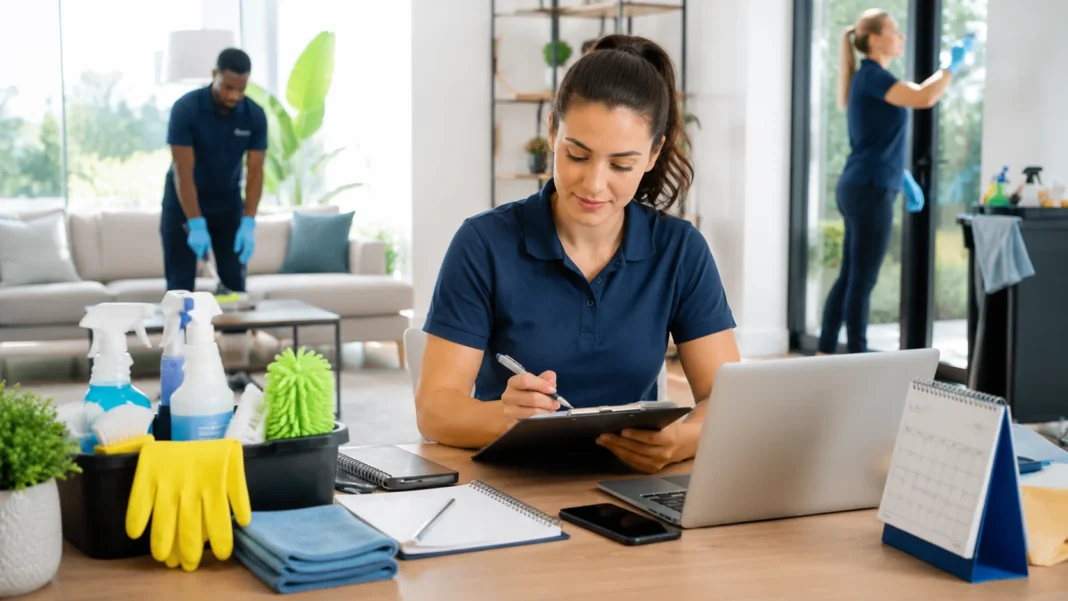
How to Start a Cleaning Business: A Complete Step-by-Step Guide
Learning how to start a cleaning business can be the beginning of a practical and scalable business opportunity. Homes, offices, rental properties, retail spaces, and commercial buildings all need regular cleaning, creating steady demand in many local markets. Unlike businesses that require expensive equipment or large premises, a cleaning company can often be launched with basic supplies, reliable transportation, and a clear plan for finding customers.
One of the biggest advantages of starting a cleaning company is flexibility. You can begin as a solo cleaner serving a handful of residential clients and gradually expand into a team handling commercial contracts, deep cleaning, move-out cleaning, or specialized services. Your business model can also be adjusted around your budget, working hours, skills, and the type of customers available in your area.
However, successful cleaning businesses are built on more than knowing how to clean effectively. You need appropriate pricing, insurance, customer service, scheduling systems, reliable supplies, and a consistent marketing strategy. Clients are inviting you into their homes or workplaces, so professionalism, communication, reliability, and trust can become just as important as the quality of the cleaning itself.
This guide explains how to start a cleaning business from the ground up, including choosing your services, estimating startup costs, registering the company, setting prices, buying equipment, attracting customers, and eventually hiring employees. Whether you want a small house cleaning business or a growing commercial cleaning company, these steps can help you create a stronger foundation.
Decide What Type of Cleaning Business You Want to Start
Before buying supplies or designing a logo, decide exactly what kind of cleaning services you plan to provide. Residential cleaning is one of the most accessible options for beginners because customers frequently need weekly, biweekly, or monthly house cleaning. Services can include dusting, vacuuming, mopping, bathroom cleaning, kitchen cleaning, and general household maintenance.
Commercial cleaning is another option and can potentially provide larger recurring contracts. Commercial cleaners may work with offices, shops, restaurants, medical facilities, schools, warehouses, or other business properties. These clients may have more detailed requirements and larger spaces, but contracts can provide predictable revenue when relationships are managed successfully.
You can also build your cleaning business around specialized services. Deep cleaning, carpet cleaning, window cleaning, post-construction cleaning, vacation rental cleaning, move-in cleaning, and move-out cleaning can generate additional revenue. Some services require specialized equipment, certifications, or training, so research the requirements before including them in your service menu.
Starting with a focused list of services usually makes operations easier. Instead of trying to serve every possible customer immediately, choose services you can perform consistently and profitably. Once you develop reliable systems and understand your market, you can introduce additional cleaning services based on customer requests and business opportunities.
Research Your Local Cleaning Market
Market research helps you understand whether people in your area are actively looking for residential cleaners, commercial cleaning companies, janitorial services, or specialized cleaning solutions. Start by examining local competitors and identifying what services they provide. Look at their positioning, customer reviews, service areas, pricing structure, and the types of customers they appear to target.
Pay particular attention to customer reviews because they reveal what people appreciate and what frustrates them. Customers may complain about cleaners arriving late, inconsistent results, poor communication, unexpected fees, or difficulty booking appointments. These complaints can highlight opportunities for your cleaning company to provide a noticeably better customer experience.
You should also think carefully about your ideal customer. A house cleaning business might target busy professionals, families, elderly homeowners, landlords, or short-term rental owners. A commercial cleaning service may focus on offices, retail businesses, property managers, restaurants, or healthcare facilities. Knowing your target market makes your pricing, marketing, and service packages easier to develop.
Research should also help determine your service area. Traveling too far between jobs can increase fuel expenses and reduce the number of appointments you can complete each day. Beginning within a defined geographic area can make scheduling more efficient while helping your business build stronger local visibility, referrals, and customer relationships.
Create a Simple Cleaning Business Plan
A cleaning business plan does not need to be a complicated hundred-page document. It should clearly explain what services you will offer, who your customers are, how you will attract them, and how the business will make money. Writing these details down gives you something practical to follow rather than making every decision as problems appear.
Start your plan with your business model and target audience. Define whether you will focus primarily on residential cleaning, commercial cleaning, vacation rentals, or specialized services. Then outline your pricing approach, estimated number of weekly customers, average job value, monthly expenses, marketing costs, and expected revenue during the first several months.
Your plan should include realistic startup costs as well. Consider cleaning supplies, equipment, insurance, registration fees, transportation, uniforms, website expenses, advertising, booking software, and employee costs if you intend to hire immediately. Creating a basic financial forecast helps determine how much money you need before accepting your first customer.
Finally, include measurable goals that give your business direction. Instead of writing that you want to “get more customers,” create targets such as reaching ten recurring residential clients, securing your first commercial contract, or reaching a specific monthly revenue level. Review these goals regularly and adjust your strategy as you learn what works in your local cleaning market.
Calculate Your Cleaning Business Startup Costs
The cost of starting a cleaning business depends heavily on the services you plan to provide. A solo residential cleaner can often begin with relatively basic equipment, while commercial or specialized cleaning operations may need significantly more investment. Avoid buying everything available before understanding which products and equipment your actual customers require.
Basic cleaning supplies may include microfiber cloths, mops, buckets, brushes, vacuum cleaners, disinfectants, glass cleaners, bathroom products, gloves, trash bags, and protective equipment. If you provide eco-friendly cleaning services, you may also invest in environmentally conscious products that match the expectations of customers specifically searching for green cleaning options.
Transportation is another important expense. You need a reliable way to reach customers while carrying cleaning products and equipment. Fuel, vehicle maintenance, parking, and travel time should eventually be reflected in your pricing calculations. If you already own an appropriate vehicle, your initial expenses may be significantly lower than those of businesses purchasing dedicated transportation.
Keep enough working capital available for unexpected expenses and slower periods. A new cleaning company may need time to build a reliable client base, while expenses such as insurance, advertising, equipment replacement, and supplies continue. Keeping startup spending controlled gives you more flexibility while you test your services and develop recurring revenue.
Register Your Cleaning Business and Get Proper Insurance
Once you decide to operate professionally, determine the legal requirements that apply where your business is located. Requirements may include business registration, local permits, tax registrations, or specific licenses. Rules vary depending on your country, state, province, or city, so check the appropriate local government requirements before providing paid cleaning services.
You will also need to decide how your business should be legally structured. Depending on your location, options may include operating as a sole proprietor or forming a separate legal business entity. Each structure can affect taxes, paperwork, liability, and administrative responsibilities, so professional guidance can be useful when choosing the most appropriate structure.
Cleaning business insurance is particularly important because your work takes place inside other people’s properties. Accidental damage, injuries, broken items, or other incidents can create significant financial problems. General liability insurance is commonly considered by cleaning businesses, while additional coverage may be necessary depending on your employees, vehicles, services, and local regulations.
Commercial customers may also ask for proof of insurance before hiring your business. Having appropriate documentation makes your company appear more established and trustworthy. As your cleaning business grows, regularly review your legal, tax, employment, and insurance obligations rather than assuming the requirements that applied when you started will remain sufficient forever.
Choose a Memorable Cleaning Business Name and Brand
Your cleaning business name should be easy to pronounce, remember, and search online. Avoid complicated spellings that customers may struggle to type correctly after hearing the name once. A good name can communicate cleanliness, reliability, convenience, professionalism, or your local service area without becoming overly long or difficult to understand.
Before committing to a name, check whether another local business already uses something very similar. You should also consider domain name availability and social media usernames if you plan to market online. Maintaining consistent branding across your website, business cards, uniforms, vehicles, and social profiles makes your cleaning company easier for customers to recognize.
Branding goes beyond designing a logo. Think about how you want customers to describe your company after working with you. Your strongest differentiator could be exceptional reliability, premium cleaning, environmentally friendly products, easy online booking, flexible schedules, or specialized services for landlords and property managers.
Your brand promise should match what you can consistently deliver. Advertising yourself as a premium cleaning company requires premium communication, attention to detail, and customer service. Building a reputation around something meaningful gives potential customers a reason to choose you instead of simply comparing every cleaning company based on the lowest price.
Buy the Right Cleaning Supplies and Equipment
Choosing reliable cleaning equipment helps you work faster while delivering consistent results. Your exact supply list depends on your services, but most residential cleaning businesses require a dependable vacuum cleaner, microfiber cloths, mop systems, brushes, dusting tools, buckets, cleaning solutions, gloves, and equipment for organizing and transporting supplies.
Avoid choosing products based entirely on the lowest purchase price. Cheap tools that constantly break can increase replacement costs and slow your work. Durable professional-grade products may offer better long-term value, especially once you are completing several cleaning jobs every week and equipment is being used more heavily.
Think about safety whenever selecting cleaning chemicals. Products should be stored, transported, labeled, and used according to applicable instructions and requirements. Never mix chemicals unless the manufacturer specifically confirms it is safe. Cleaning teams should also understand appropriate protective equipment, ventilation requirements, and procedures for working around children, pets, employees, or customers.
You can gradually upgrade your equipment as revenue increases. Specialized vacuums, carpet machines, floor equipment, water-fed window systems, or commercial cleaning equipment may make sense after you have customers requesting those services. Purchasing expensive equipment before demand exists can tie up cash that may be more valuable for marketing and daily operations.
Set Profitable Cleaning Service Prices
Setting cleaning business prices can be challenging because charging too little reduces profitability while charging too much without providing corresponding value can make winning clients difficult. Instead of copying a competitor’s price, calculate your own labor, supplies, transportation, insurance, taxes, administrative time, marketing expenses, and desired profit margin.
Residential cleaners may charge hourly rates, flat rates, or prices based on the size and condition of the property. Flat-rate pricing can be convenient for customers but requires accurate estimates. A home that has not been professionally cleaned for months may require considerably more work than a similar-sized home receiving recurring cleaning every week.
Consider creating different service packages. Standard cleaning can cover routine maintenance, while deep cleaning may include more detailed work such as baseboards, buildup removal, cabinet fronts, or additional areas. Move-in and move-out cleaning can be priced separately because these appointments often involve more intensive cleaning and different customer expectations.
Review your prices regularly instead of keeping them unchanged indefinitely. Labor costs, transportation, insurance, supplies, and other expenses can increase over time. Tracking how long each job actually takes allows you to identify services that are profitable, customers who require additional time, and packages that need to be priced differently.
Create a Clear Cleaning Checklist
A cleaning checklist helps ensure that every customer receives a consistent service. Without a checklist, important tasks can easily be forgotten, particularly when several employees are working across different properties. Standardized procedures also make training easier when you begin hiring cleaners and assigning jobs without personally supervising every appointment.
Create separate checklists for standard cleaning, deep cleaning, office cleaning, move-out cleaning, and any other services you provide. Clearly specify what is included and what requires an additional fee. This prevents customers from assuming that every possible cleaning task automatically forms part of their booked package.
Checklists can also help estimate job duration more accurately. Once you know how long kitchens, bathrooms, bedrooms, floors, and additional tasks usually take, scheduling becomes easier. Accurate scheduling prevents cleaners from feeling rushed while reducing the possibility of arriving late to the next customer’s appointment.
Share relevant service expectations with customers before the appointment. Explain whether cleaners move heavy furniture, wash dishes, clean inside appliances, remove hazardous waste, or provide other specialized tasks. Transparent expectations reduce misunderstandings and make it easier for customers to decide whether your service matches their needs.
Build a Professional Online Presence
People frequently search online when they need a reliable cleaning company, so your business should be easy to discover and evaluate. Start with a simple professional website that clearly explains your services, locations, contact details, service process, and reasons customers should choose your company. Avoid overwhelming visitors with unnecessary information.
Create dedicated pages for important services such as house cleaning, deep cleaning, commercial cleaning, office cleaning, and move-out cleaning if you genuinely provide them. These pages help potential customers understand exactly what you offer while also creating opportunities for your website to appear for relevant local cleaning searches.
Local SEO can be particularly valuable for cleaning companies because customers usually want businesses that serve their specific area. Keep your company name, phone number, service details, and operating information accurate wherever the business appears online. Encourage satisfied customers to leave genuine reviews describing their experience.
Make contacting your company simple. Customers should not have to search through several pages to request a quote or book a cleaning appointment. A visible phone number, contact form, online booking option, or messaging system can reduce friction and help turn website visitors into actual leads.
Find Your First Cleaning Business Clients
Your first customers can come from people who already know and trust you. Tell friends, neighbors, professional contacts, landlords, and local business owners that you have launched a cleaning service. Rather than simply asking for support, clearly explain your services and the type of customers you are looking for.
Local marketing can also generate early leads. Depending on your market, you might use neighborhood groups, community boards, local directories, flyers, partnerships, social media, or targeted online advertising. Property managers, real estate agents, short-term rental operators, and small offices can also become valuable referral partners.
Introductory offers can help attract new customers, but avoid relying permanently on discounts. Customers who only choose the lowest price may quickly switch when another company becomes cheaper. Instead, use offers as an opportunity to demonstrate reliability, convenience, communication, and cleaning quality so customers have reasons to continue booking.
Follow up professionally after completing the first service. Ask whether the customer is satisfied and address reasonable concerns quickly. When someone is pleased with the service, make it easy to book again. Converting one-time customers into weekly, biweekly, or monthly recurring clients can create much more predictable revenue.
Focus on Recurring Customers and Customer Retention
Recurring cleaning customers are particularly valuable because you do not need to constantly replace every completed job with a new customer. Weekly, biweekly, and monthly cleaning schedules provide predictable work and make staffing easier. They can also reduce marketing costs because existing clients continue generating revenue without requiring repeated customer acquisition.
Retention depends heavily on reliability. Arriving within the expected time window, following the agreed checklist, communicating changes, and maintaining consistent cleaning standards can separate professional businesses from unreliable competitors. Customers often value knowing they can trust their cleaner without repeatedly explaining what needs to be done.
Keep accurate notes about customer preferences. One household may want specific products used on particular surfaces, while an office manager may want certain rooms cleaned at specific times. Remembering these details creates a more personalized experience and demonstrates that your business pays attention rather than treating every property identically.
Customer complaints should also be treated as opportunities to improve. Not every complaint means the customer is correct, but recurring feedback may reveal weaknesses in training or procedures. Respond professionally, investigate what happened, fix reasonable issues, and update your systems when necessary to prevent the same problem from happening repeatedly.
Use Cleaning Business Software to Stay Organized
A small cleaning company can initially manage appointments using a calendar and simple spreadsheets, but administration becomes more complicated as the customer list grows. Scheduling software can help organize appointments, recurring services, staff assignments, customer information, reminders, invoices, and payment tracking from one central system.
Efficient scheduling is particularly important because travel time directly affects profitability. Assigning cleaners to properties located close together can reduce unnecessary driving and create space for additional appointments. Route planning becomes even more valuable when your team serves several neighborhoods or commercial properties during the same day.
Digital invoicing and online payment options can also improve cash flow. Customers are more likely to pay quickly when the process is simple and convenient. Automated reminders can reduce unpaid invoices while saving you from manually contacting every customer who has not yet completed payment.
Do not introduce complicated software simply because other companies use it. Choose systems that solve real operational problems and are easy for your employees to understand. Technology should reduce administrative work, improve customer experience, and give you better visibility into business performance rather than adding unnecessary complexity.
Hire and Train Cleaning Employees Carefully
When demand becomes greater than you can comfortably handle alone, hiring may be the next step. Before adding employees, calculate whether the business can support wages, payroll costs, insurance, training, uniforms, equipment, and administrative expenses. Hiring too early can create financial pressure even when your booking calendar appears busy.
Recruit cleaners who demonstrate reliability, professionalism, communication skills, and attention to detail. Technical cleaning methods can often be taught, but customers also expect staff to behave respectfully inside their properties. Follow applicable employment, background screening, workplace safety, and hiring requirements in your area.
Training should include more than explaining how to clean a bathroom or vacuum floors. Employees should understand your checklists, quality standards, customer communication expectations, chemical safety procedures, equipment use, arrival procedures, and what to do when something is accidentally damaged.
As the team grows, create systems that allow the company to maintain quality without depending entirely on you. Regular inspections, employee feedback, clear procedures, and customer satisfaction checks can reveal problems early. A cleaning business becomes truly scalable when customers receive consistent service regardless of which trained team member performs the job.
Market Your Cleaning Business for Long-Term Growth
Successful cleaning business marketing combines visibility with trust. Potential customers need to know your company exists, but they also need enough confidence to invite your cleaners into their homes or workplaces. Reviews, professional branding, clear communication, transparent services, and helpful website content can all strengthen that trust.
Local SEO can help attract people already searching for cleaning services nearby. Build pages around the actual areas and services you provide instead of creating hundreds of thin location pages. Useful content answering questions about deep cleaning, move-out cleaning, office cleaning, cleaning frequency, and preparation can also attract customers earlier in their decision-making process.
Referral programs can turn satisfied customers into a powerful source of new business. You might provide an appropriate incentive when an existing customer introduces someone who completes a booking. Partnerships with real estate agents, property managers, contractors, landlords, and short-term rental operators may also generate recurring cleaning opportunities.
Measure where profitable customers originate instead of assuming every marketing channel works equally well. Track website inquiries, phone calls, referrals, advertising campaigns, and repeat bookings. Over time, invest more resources into channels that consistently bring customers who value your services, remain longer, and generate healthy profit margins.
Avoid Common Cleaning Business Mistakes
One common mistake is underpricing services simply to win customers. Low pricing may fill your calendar, but a busy schedule does not necessarily mean a profitable company. If each appointment barely covers labor, transportation, supplies, and overhead, working more hours can actually increase operational pressure without producing meaningful profit.
Another mistake is accepting every type of cleaning request without boundaries. Customers may ask for hazardous waste removal, extremely heavy lifting, specialist restoration, mold treatment, or other work outside your skills and insurance coverage. Establishing clear service limits protects your employees, customers, equipment, and business.
Poor communication can damage an otherwise excellent cleaning service. Customers become frustrated when companies miss appointments, change arrival times without notice, provide unclear invoices, or respond slowly to questions. Creating simple communication procedures can improve customer satisfaction without requiring expensive technology.
Finally, do not grow faster than your systems can support. Adding dozens of customers while struggling with scheduling, training, quality control, or employee reliability can damage your reputation. Sustainable growth usually comes from improving operations first and then adding customers at a pace your team can handle consistently.
How to Grow a Cleaning Business Profitably
Growth should focus on increasing profit and business stability rather than simply increasing the number of jobs. Start by understanding which customers and services generate the strongest margins. You may discover that recurring residential cleaning, commercial contracts, vacation rentals, or premium deep cleaning produces better returns than other services.
Upselling can increase customer value without requiring entirely new leads. An existing house cleaning customer might occasionally need oven cleaning, refrigerator cleaning, interior window cleaning, or a seasonal deep clean. Offer relevant additional services without pressuring customers to purchase work they do not actually need.
Expanding into nearby areas can make sense once your original service territory is operating efficiently. However, carefully calculate transportation and staffing before increasing your geographic reach. A larger service area is not automatically better if cleaners spend too much of their paid time driving between appointments.
Eventually, your role may shift from performing cleaning work to managing employees, marketing, finances, customer relationships, and business strategy. Developing repeatable systems early makes that transition easier. The goal is to create a cleaning company that delivers dependable results even when the owner is not personally completing every appointment.
Final Thoughts on Starting a Cleaning Business
Understanding how to start a cleaning business is relatively straightforward, but building one that customers repeatedly recommend requires consistency. Begin with services you can deliver confidently, research your market carefully, calculate realistic expenses, and create prices that support a sustainable business rather than simply attracting the cheapest customers.
Keep the customer experience simple from the first inquiry through payment. Respond quickly, explain your services clearly, arrive reliably, follow consistent cleaning procedures, and address legitimate concerns professionally. These basic habits can create a competitive advantage in an industry where trust and reliability have significant influence over purchasing decisions.
Do not feel pressured to build a large cleaning company immediately. Starting with a manageable number of clients gives you an opportunity to refine pricing, checklists, scheduling, products, and communication before introducing employees. Strong systems built during the early stages can prevent expensive problems when demand begins increasing.
A cleaning business can grow from a simple self-employed service into a structured company with recurring customers, trained teams, commercial contracts, and specialized services. Focus on delivering dependable value, understanding your numbers, protecting your reputation, and improving operations continuously. Those fundamentals provide a much stronger path toward sustainable growth.
Frequently Asked Questions
How much money do you need to start a cleaning business?
Startup costs depend on your location, services, equipment, insurance, and transportation needs. A basic residential cleaning business generally requires less initial investment than commercial or specialized cleaning operations.
Can I start a cleaning business by myself?
Yes. Many cleaning businesses begin with one person handling cleaning, scheduling, marketing, and customer service. Employees can be added when recurring demand becomes too large to manage efficiently alone.
Do I need a license to start a cleaning business?
Business registration and licensing requirements depend on where you operate and the services you provide. Check your local government requirements for business licenses, taxes, insurance, and any industry-specific regulations.
How do I get clients for my cleaning business?
Start with personal referrals, local online visibility, community marketing, property managers, real estate professionals, local SEO, and genuine customer reviews. Focus especially on converting satisfied one-time customers into recurring clients.
Is a cleaning business profitable?
A cleaning business can be profitable when services are priced correctly and labor, transportation, supplies, and overhead are carefully controlled. Recurring customers and efficient scheduling can make revenue more predictable.